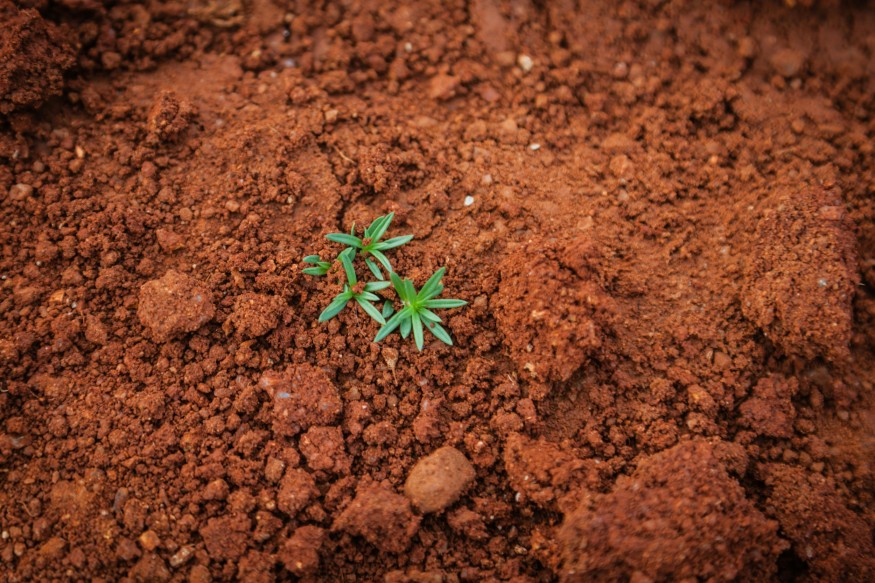
Soil is one of the planet's most vital resources, quietly supporting ecosystems, agriculture, and human life. The fertile top layer that sustains crops forms over centuries through the slow breakdown of rocks, decomposition of organic matter, and microbial activity. This complex process cannot be rushed, and once topsoil is lost, replenishing it takes far longer than a human lifetime, making soil a fragile and irreplaceable foundation for life on land.
Modern human activities have accelerated soil loss dramatically. Intensive agriculture, deforestation, and poorly managed land use amplify erosion rates, stripping nutrient-rich topsoil faster than it can regenerate. Understanding soil formation, recognizing how soil erosion occurs, and addressing the impacts of land misuse are essential steps toward sustaining agriculture, maintaining ecosystems, and safeguarding food security for generations to come.
How Soil Formation Happens Over Centuries
Soil formation is a gradual process shaped by climate, organisms, topography, parent material, and time. It begins when bedrock breaks down through physical stress like freezing and thawing, chemical reactions from water and acids, and biological activity from roots and microorganisms. These forces slowly turn rock into mineral particles that can support life.
Organic matter then enters the picture. Plants shed leaves and roots, microbes decompose them, and earthworms mix the material into the mineral base. This interaction creates stable soil structure, improves water retention, and allows nutrients to cycle efficiently. Over hundreds of years, layers known as soil horizons develop, each with distinct properties.
Even under ideal conditions, building one inch of fertile topsoil can take hundreds of years. In harsher climates or nutrient-poor regions, soil formation may take far longer. This slow pace explains why soil is considered a non-renewable resource on human timescales.
Why Soil Erosion Destroys Land So Quickly
Soil erosion happens when wind or water removes the upper layer of soil faster than it can be replaced. Unlike soil formation, erosion can occur during a single storm or season, stripping away decades or centuries of progress. Once topsoil is gone, the remaining ground struggles to retain moisture or nutrients.
Rainfall is a major driver. When soil is left bare, raindrops hit the surface with force, loosening particles that runoff easily carries downhill. On sloped land, this creates rills and gullies that deepen rapidly and permanently reshape fields.
Wind erosion adds another threat, especially in dry or overworked landscapes. Fine particles lift into the air and travel long distances, leaving behind compacted, less fertile ground. Together, these processes explain how minutes of intense weather can undo centuries of soil formation.
How Land Misuse Accelerates Soil Loss
Land misuse speeds up soil loss by stripping away the natural defenses that keep soil stable. When land is managed without regard for vegetation cover or soil structure, erosion shifts from a slow process to a rapid one. Over time, these practices weaken soil resilience and make recovery far more difficult.
- Deforestation removes tree roots that anchor soil, allowing rain and wind to carry it away easily
- Overgrazing leaves soil bare and compacted, reducing its ability to absorb water
- Repeated deep tillage breaks soil aggregates, exposing fine particles to erosion
- Monocropping drains nutrients and reduces microbial diversity that supports soil strength
- Heavy machinery compresses soil, limiting infiltration and increasing surface runoff
- Urban expansion replaces absorbent ground with pavement, redirecting water and worsening erosion nearby
Restoring Balance Between Soil Formation and Erosion
Although soil erosion can happen quickly, thoughtful land practices can slow or reverse the damage. The goal is to keep soil covered, structured, and biologically active so natural soil formation can continue. Small, consistent changes often produce the strongest long-term results.
- Cover crops shield soil from rain and wind while adding organic matter
- Living roots stabilize soil and support microbes that rebuild structure
- Reduced tillage preserves aggregates and limits disturbance
- Contour farming and terracing slow water movement on sloped land
- Agroforestry combines trees and crops to strengthen soil and improve yields
- Long-term erosion control allows soil formation to gradually regain ground
Protecting Soil for Future Generations
Soil may appear ordinary, but it underpins food systems, water cycles, and ecosystem health. When soil formation is respected and soil erosion is controlled, landscapes remain productive for generations. When land misuse dominates, the damage spreads far beyond individual farms.
Protecting soil requires long-term thinking rather than short-term gains. Choices made today about land use, farming methods, and development shape whether soil remains a living resource or becomes a depleted surface. Preserving soil is ultimately about preserving the foundation of human survival.
Frequently Asked Questions
1. Why does soil formation take so long?
Soil formation depends on slow processes like rock weathering and organic matter buildup. These changes occur gradually under natural conditions. Climate and biology influence the pace, but time remains the biggest factor. This is why soil is not easily replaced once lost.
2. What causes soil erosion to happen so quickly?
Soil erosion accelerates when vegetation is removed and soil is left exposed. Rain and wind can then carry particles away in large volumes. Human activities often amplify these forces. As a result, erosion can outpace soil formation by a wide margin.
3. How does land misuse affect soil health?
Land misuse disrupts soil structure and reduces organic matter. This weakens soil stability and increases erosion risk. Over time, productivity declines and recovery becomes harder. Responsible land management helps prevent these outcomes.
4. Can damaged soil be restored?
Yes, but restoration takes time and consistent effort. Practices like cover cropping, reduced tillage, and improved land planning can rebuild soil health. While soil formation remains slow, erosion can be controlled quickly. Prevention remains far more effective than repair.
© 2026 ScienceTimes.com All rights reserved. Do not reproduce without permission. The window to the world of Science Times.


