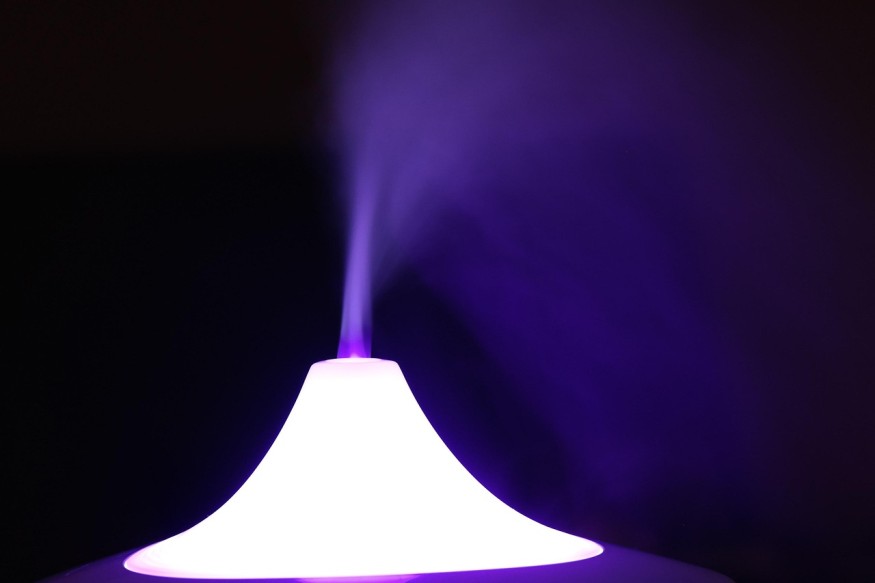
Sometimes, a home can start feeling like winter moved indoors and made itself comfortable. The heating hums away, the windows shut, and the air takes on that thin, overused feeling that makes every room seem a little less kind. That's usually the point when humidifiers stop sounding random. The EPA recommends keeping indoor humidity between 30% and 50%, which gives people a useful benchmark when comfort has started slipping but the problem still feels hard to name.
Why Indoor Humidity Affects Daily Comfort
Indoor humidity works on a room's atmosphere in the most literal sense. When the air gets too dry, spaces can feel harsher and less restful over time. When moisture levels climb too high, comfort starts to slip, and the room may feel heavier than it should. The level itself may be visible, though the effect rarely is. The sitting room develops that familiar winter static where blankets cling, and clothes spark at the worst moment.
A homeowner might also notice it in quieter ways. Lips chap more easily, hands feel less comfortable, no matter how often hand cream appears, and the whole house takes on a slightly brittle feeling. These are small changes, though they can feel less-than-subtle. Once they start stacking up, people often realize the issue is the air that the furniture, bedding, or heating itself is sitting in.
Best Indoor Humidity Level for Home Comfort
A humidity range can keep the whole conversation from becoming guesswork. A gauge may help reduce some uncertainty in the process. A bedroom can feel dry after a few cold nights, though the reading may show it's already close to the target. Another room may seem fine until condensation starts to collect on the glass. The number is useful because it keeps someone from overcorrecting out of annoyance. That balance can also help with the feel of the home itself.
How Humidifiers Fit into an Indoor Air Routine
Humidifiers tend to work best when they become part of ordinary household maintenance. A parent may use one in a child's bedroom during a dry winter stretch and check the room level before bed. A person working from home may run one in an office where the air feels especially dry after hours indoors. In both cases, the goal is a room that feels settled.
Common Humidifier Mistakes to Avoid
Once a room starts to feel better, it's easy to leave things as they are and assume that more time will keep improving the space. That's usually when moisture starts drifting higher than anyone intended, especially in smaller rooms, and cleaning shapes the experience, too. Water tanks need regular attention, and a machine that's awkward to empty or wipe down can end up unintentionally ignored.
Why a Humidity Gauge Can Save Time
A humidity gauge keeps the whole routine from turning into a game of Clue. One room can feel dry after a long day with the heat on, though the number may show it's already close to where it should be. Another room may feel fine until moisture starts showing up on the windows. That quick check can stop someone from running a humidifier longer than the space really needs.
FAQ
How humid should a home be?
A good target is 30% to 50% humidity indoors.
Will a humidifier do anything for dry skin?
It may take some of the edge off when the room air is very dry.
What happens if indoor air gets too humid?
Windows may collect moisture, the room may feel muggy, and damp conditions can build up.
© 2026 ScienceTimes.com All rights reserved. Do not reproduce without permission. The window to the world of Science Times.


