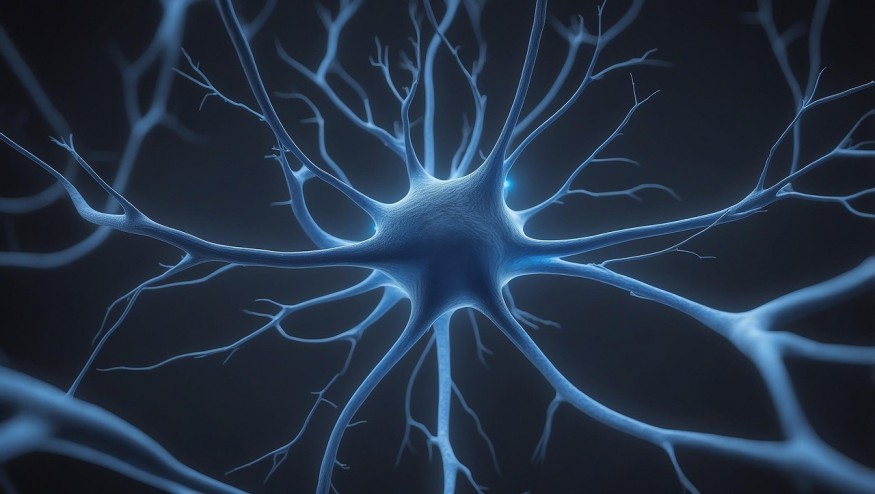
Maintaining optimal cognitive function is essential for daily life, from problem-solving to memory retention. As understanding of nutrition science grows, the role of diet in supporting brain health has gained increasing attention.
Nutrition science highlights certain brain-boosting foods that can contribute significantly to cognitive performance and long-term neurological well-being. This article examines 10 foods proven effective at enhancing brain function, backed by research and nutritional evidence.
What Are Brain-Boosting Foods?
Brain-boosting foods are those that contain nutrients shown to improve brain function, protect against cognitive decline, and support mental clarity. These foods typically provide antioxidants, healthy fats, vitamins, and minerals essential for brain health. Nutrition science evaluates these components for their effects on memory, focus, mood, and overall cognitive performance.
Why Is Nutrition Important for Brain Health?
The brain demands substantial energy and specific nutrients to function well. Nutrition science identifies key nutrients such as omega-3 fatty acids, antioxidants, vitamins B, C, D, and E, and minerals like zinc and magnesium, which influence brain structure, neurotransmitter function, and neural plasticity. A diet rich in these components helps reduce inflammation, protect neurons from oxidative stress, and enhance communication among brain cells.
What Are the Top Foods That Boost Brain Function?
Based on extensive research, certain foods consistently appear as powerful allies in cognitive enhancement.
1. Fatty Fish
Fatty fish such as salmon, mackerel, and sardines are rich in omega-3 fatty acids, particularly EPA and DHA, which are vital for brain cell communication. Studies link regular consumption of these fish to improved memory and slower cognitive decline, as these fats help build and maintain nerve cells and reduce brain inflammation.
2. Blueberries
Blueberries are loaded with antioxidants and flavonoids, compounds that cross the blood-brain barrier to combat oxidative stress and inflammation. Research indicates that blueberry intake is associated with enhanced memory and delayed brain aging, making them a prime example of effective brain-boosting foods.
3. Turmeric
Turmeric contains curcumin, a compound with potent anti-inflammatory and antioxidant properties. Research in nutrition science suggests curcumin supports memory function, promotes the growth of new brain cells, and may improve mood by increasing levels of brain-derived neurotrophic factor (BDNF).
4. Broccoli
Broccoli is rich in vitamin K and compounds called glucosinolates, which have antioxidant and anti-inflammatory effects. Vitamin K supports brain cell formation and cognitive function. Regular broccoli consumption correlates with enhanced cognitive health and potential protection against neurodegenerative diseases.
5. Pumpkin Seeds
Pumpkin seeds offer a combination of magnesium, zinc, iron, and copper, minerals essential for nerve signaling and brain function. For example, zinc deficiency is linked to impaired memory and mood disorders, making pumpkin seeds a strong addition to a cognitive-supportive diet.
6. Dark Chocolate
Dark chocolate with high cocoa content contains flavonoids, caffeine, and antioxidants. Flavonoids promote blood flow to the brain and may improve memory, focus, and mood. Moderate dark chocolate intake can stimulate cognitive function without the sugar crash associated with many sweets.
7. Nuts (Especially Walnuts)
Nuts, especially walnuts, contain healthy fats, antioxidants, and vitamin E, all of which support brain health. Vitamin E is known to protect neurons from oxidative damage, and studies consistently show that nut consumption can slow cognitive decline with age.
8. Oranges
Oranges provide a significant amount of vitamin C, a powerful antioxidant crucial for preventing mental decline. Vitamin C protects brain cells against free radicals and supports neurotransmitter production, which can aid learning and memory.
Read more: Best Anti-Aging Supplements That Work in 2025: Longevity Vitamins & Proven Collagen Benefits
9. Eggs
Eggs are a rich source of choline, an essential nutrient important for producing acetylcholine, a neurotransmitter involved in memory and muscle control. Choline intake has been associated with better cognitive performance, especially in aging populations.
10. Green Tea
Green tea contains caffeine and L-theanine, compounds known to enhance brain function by improving alertness, attention, and relaxation simultaneously. Continuous consumption has been linked to reduced risk of cognitive decline and improved memory.
How Quickly Can Brain-Boosting Foods Affect Cognitive Function?
Nutrition science suggests that the effects of brain-boosting foods can vary. Some benefits, such as improved focus and mood, may be observable within hours or days, particularly with foods like dark chocolate and green tea. However, long-term cognitive benefits, including memory preservation and reduced risk of neurodegenerative diseases, generally require consistent intake over months or years.
Can a Brain-Boosting Diet Prevent Cognitive Decline?
Research supports the idea that diets rich in brain-boosting foods may lower the risk of cognitive decline, dementia, and Alzheimer's disease. A dietary pattern emphasizing antioxidants and healthy fats reduces inflammation and oxidative stress, both implicated in neurodegeneration. While diet alone cannot guarantee prevention, combining brain-boosting foods with healthy lifestyle habits such as exercise and sleep enhances brain health substantially.
How to Incorporate Brain-Boosting Foods into Your Daily Diet
Incorporating these foods into a daily routine requires practical strategies. Fatty fish can be consumed two or three times weekly through meals like grilled salmon or fish tacos. Blueberries and nuts make excellent snack options or additions to breakfast cereals and salads.
Spices like turmeric can be added to soups, stews, and teas. Green tea offers a caffeine boost with relaxation-promoting effects when enjoyed as a beverage. Using oils like walnut oil or snacking on dark chocolate can also be simple ways to include these brain-boosting foods regularly.
Are Supplements as Effective as Natural Brain-Boosting Foods?
Though supplements are widely available, nutrition science generally favors whole foods for cognitive support. Natural foods provide complex combinations of nutrients, fiber, and bioactive compounds that work synergistically. Supplements may help in specific deficiencies but often lack the broad benefits of whole food consumption. Consulting healthcare providers before starting supplements is advisable.
Nutrition science continues to uncover the powerful relationships between diet and brain function. Incorporating these 10 brain-boosting foods into daily meals supports cognitive health, enhances memory, and may offer protection against age-related decline. A scientifically grounded approach to nutrition promotes not only brain health but overall well-being.
Frequently Asked Questions
1. Can brain-boosting foods improve mental health conditions like anxiety or depression?
Some brain-boosting foods contain nutrients such as omega-3 fatty acids and antioxidants that may support mental health by reducing inflammation and improving neurotransmitter function. While these foods can complement treatment, they are not substitutes for professional care in managing anxiety or depression.
2. How do lifestyle factors interact with brain-boosting foods to affect cognitive function?
Nutrition science shows that diet works synergistically with lifestyle factors like physical exercise, sufficient sleep, stress management, and social engagement to optimize brain health. Combining these elements amplifies the benefits of brain-boosting foods and supports long-term cognitive resilience.
3. Are there any risks associated with consuming large amounts of brain-boosting foods?
Generally, brain-boosting foods are safe when consumed in normal dietary amounts. However, excessive intake of certain nutrients, such as vitamin E from supplements or mercury exposure from some fish, can pose risks. Balance and variety, guided by nutrition science recommendations, are key.
4. How does age affect the brain's response to brain-boosting foods?
The brain's nutritional needs and responsiveness can change with age. While young brains may benefit more from nutrients that support development and learning, older adults often require nutrients that protect against cognitive decline. A diet rich in brain-boosting foods remains beneficial throughout life but may be especially crucial during aging.
© 2026 ScienceTimes.com All rights reserved. Do not reproduce without permission. The window to the world of Science Times.


