Invasive species lists reveal profound biodiversity threats as non-native organisms disrupt ecosystems globally, outcompeting locals and causing extinctions. These invaders, often transported by human activity, alter habitats and food webs, underscoring urgent conservation needs.
What Are Invasive Species?
Invasive species represent non-native plants, animals, or microbes that proliferate beyond control in new environments. Unlike benign introductions, they harm ecosystems by spreading rapidly without natural checks, such as predators or diseases, at their point of origin. Common examples include plants clogging waterways or predators decimating prey populations.
Their success stems from adaptability; many arrive via ballast water, pet trade, or horticulture, then exploit disturbed habitats. This aggressive expansion defines them, distinguishing them from natural migrants.
Why Are They a Threat to Biodiversity?
Invasive species lists highlight biodiversity threats through direct competition, predation, and habitat modification. They reduce native diversity by monopolizing resources, leading to local extinctions and simplified ecosystems that are vulnerable to additional stressors.
Beyond ecology, economic damages exceed hundreds of billions of dollars annually from control, lost agriculture, and declines in fisheries. Hybridization with natives further erodes genetic diversity, amplifying long-term threats to biodiversity.
Top 10 Invasive Species List
This invasive species list spotlights 10 notorious examples from authoritative compilations, each exemplifying biodiversity threats in specific regions.
1. Brown Tree Snake (Boiga irregularis): Native to Southeast Asia, this nocturnal predator hitchhiked to Guam post-World War II, wiping out 10 of 12 native forest bird species. Its proliferation caused ecological collapse, and prey scarcity now impacts human power grids by causing electrocutions.
2. Zebra Mussel (Dreissena polymorpha): Originating from the Black Sea, these fingernail-sized bivalves foul pipes and ships across North America and Europe. They filter plankton voraciously, starving native mussels and fish while promoting toxic algal blooms.
3. Water Hyacinth (Eichhornia crassipes): South America's floating aquatic plant chokes rivers in Africa and Asia, blocking sunlight and oxygen to kill fish and hinder navigation. Dense mats exacerbate flooding and disease by breeding mosquitoes.
4. Chinese Mitten Crab (Eriocheir sinensis): This burrowing crustacean from East Asia invades European and North American waterways, damaging levees and outcompeting natives. Its migrations clog fisheries and carry parasites harmful to salmon.
5. Lionfish (Pterois volitans): Indo-Pacific reef dwellers now dominate Atlantic corals from invasive releases. Their voracious appetite for juveniles decimates herbivore fish, promoting algae overgrowth and reef degradation.
6. Cane Toad (Rhinella marina): Introduced to Australia for pest control, this Bufo poisons predators with toxic skin secretions, killing native carnivores like quolls. Populations explode in the tropics, profoundly altering food chains.
7. Clidemia hirta (Melastome): Known as Koster's curse, this shrub smothers Hawaiian rainforests, shading out seedlings and preventing forest regeneration. Birds disperse seeds widely, intensifying threats to biodiversity.
8. Red-eared Slider Turtle (Trachemys scripta elegans): Popular pets released worldwide displace native turtles through aggression and disease. In Europe and Asia, they dominate ponds, hybridizing with locals.
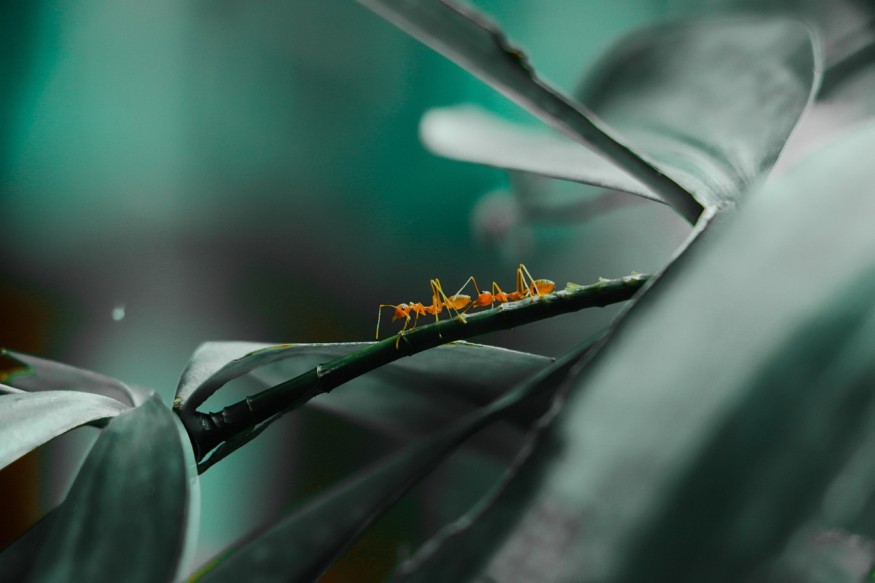
9. Argentine Ant (Linepithema humile): Supercolonies from South America eradicate native ants across continents via relentless warfare. They protect pest insects like aphids, disrupting pollination and predation balances.
10. European Starling (Sturnus vulgaris): Brought to North America in 1890, these birds flock massively, outcompeting cavity-nesters for nests and spreading diseases to livestock. Crop damages cost millions yearly.
These entries from invasive species lists illustrate the scale of biodiversity threats, with many ranked among the world's worst.
How Do Invasive Species Spread?
Human vectors dominate spread: ships' ballast water carries aquatic species like zebra mussels, while air travel aids insects. Pet releases introduce vertebrates, and ornamental plants escape gardens. Climate change expands ranges by warming habitats, enabling poleward shifts.
Global trade amplifies risks; unchecked imports bypass biosecurity. Once established, wind, water, or animals propel further dispersal, creating self-sustaining populations.
How Can We Stop Them?
Prevention tops strategies: strict border inspections and ballast water treatments block arrivals. Public education discourages pet releases, while rapid-response teams eradicate early detections through trapping or poisons.
Biocontrol uses host-specific agents, such as pathogens, to control water hyacinth. Restoration replants natives post-removal, restoring balance. International cooperation through treaties enhances effective monitoring and mitigation of biodiversity threats.
Invasive species lists underscore the importance of proactive measures in preserving ecosystems. By addressing biodiversity threats head-on, conservation sustains planetary health for future generations.
Frequently Asked Questions
1. What role does climate change play in worsening invasive species impacts?
Climate change exacerbates biodiversity threats by altering temperatures and precipitation, allowing invasive species like lionfish to expand into new regions faster than natives can adapt. Warmer waters enable species from tropical areas to thrive in temperate zones, intensifying competition and driving habitat shifts that are not fully detailed in specific case studies.
2. How do invasive species affect human health beyond ecosystems?
Beyond direct ecological damage, invasive species such as cane toads and water hyacinth pose health risks by creating breeding grounds for mosquitoes or carrying pathogens that spread diseases like malaria or leptospirosis to humans in affected areas.
3. What economic costs are associated with controlling the top 10 invasives?
Global efforts to manage invasive species, including the brown tree snake and zebra mussel, incur billions of dollars in damage each year from infrastructure repairs, lost fisheries, and agricultural losses, with control programs often requiring sustained funding beyond initial eradication attempts.
4. Are there successful examples of eradicating invasive species from islands?
Islands have seen victories like the removal of rats (a common invasive) from small Pacific atolls through poisoning and trapping, restoring bird populations; similar targeted methods could apply to species like the brown tree snake on the outskirts of Guam, though scaling to larger areas remains challenging.
© 2026 ScienceTimes.com All rights reserved. Do not reproduce without permission. The window to the world of Science Times.


