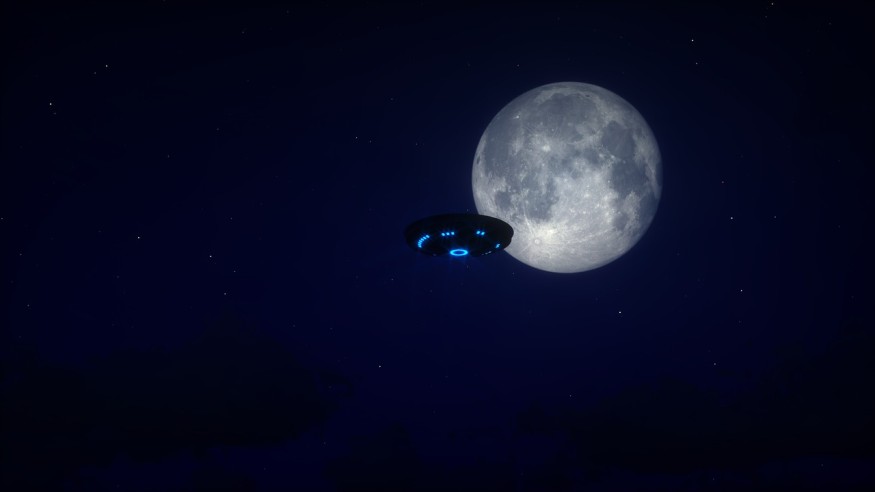
The search for extraterrestrial life has accelerated over the past decade as astrobiology turns its focus toward chemical signatures, ocean worlds, and shifting models of planetary habitability. Scientists examine methane plumes, atmospheric gases, and organic compounds as potential indicators that biological processes may exist beyond Earth. Ocean-bearing moons like Europa and Enceladus have become top contenders because they host environments where life could survive without sunlight, relying instead on hydrothermal or chemical energy.
At the same time, powerful observatories like the James Webb Space Telescope (JWST) are analyzing distant exoplanet atmospheres for biosignatures linked to microbial ecosystems. The remarkable detection of dimethyl sulfide (DMS) on K2-18b has intensified interest, as this molecule is produced only by life on Earth. Together, these discoveries suggest that humanity may be closer to confirming alien biology than ever before.
Ocean Worlds and Extraterrestrial Life Clues
Ocean-bearing moons offer some of the strongest evidence pointing toward extraterrestrial life. Enceladus plumes contain amino acids and phosphorus—key building blocks essential for biological processes—shot into space through cracks in the moon's icy surface. This natural sampling system makes Enceladus one of the most compelling targets in astrobiology because its subsurface ocean appears chemically active and potentially energy-rich.
Europa is another major focus. NASA's Europa Clipper mission aims to analyze the moon's ice shell and search for areas where water from its massive ocean—twice the volume of all Earth's oceans combined—may interact with the surface. Such exchanges could transport organic materials upward, making them easier to detect. Titan, with its methane lakes and prebiotic chemistry, also demonstrates planetary habitability features that mirror early Earth, showing multiple pathways through which life could emerge.
Exoplanet Biosignatures and Astrobiology Milestones
Exoplanets have dramatically expanded what astrobiology considers possible for planetary habitability. JWST observations of K2-18b revealed dimethyl sulfide (DMS), a molecule produced by living organisms on Earth, within its hydrogen-rich atmosphere. Although not yet confirmed as biological in origin, its presence marks one of the strongest chemical hints of extraterrestrial life ever documented.
The TRAPPIST-1 system is another major target, with planets TRAPPIST-1e, 1f, and 1g receiving significant attention due to their positions within the star's habitable zone. These planets score nearly 40% on Earth-similarity indexes, suggesting they may support liquid water. Venus also remains a surprising astrobiology candidate. Although its surface reaches 900°F, the detection of phosphine in the upper atmosphere suggests microorganisms could potentially survive in the cooler cloud layers, keeping the debate alive.
Read more: Is There Life on Mars? 8 Compelling Reasons Scientists Believe the Red Planet Once Hosted Life
Mars, Nearby Exoplanets, and Technosignature Searches
Mars continues to reveal evidence that strengthens the case for ancient extraterrestrial life. NASA's Perseverance rover identified organic carbon in 3.5-billion-year-old rocks within Jezero Crater—samples that resemble environments where life once thrived on Earth. These findings significantly improve Mars' planetary habitability profile, especially during its warm, wet early history.
Beyond the solar system, Proxima Centauri b—located just 4.2 lightyears away—sits within its star's habitable zone, making it a prime location for potential microbial ecosystems. Meanwhile, the field of technosignatures expands the search further. SETI continues scanning millions of stars for signs of advanced civilizations, including potential laser pulses, radio bursts, and hypothetical constructs like Dyson spheres. These efforts provide an entirely different approach to detecting extraterrestrial life, complementing the chemical and geological methods used elsewhere.
Conclusion
Extraterrestrial life research is entering its most promising era as astrobiology blends chemistry, planetary science, and telescope technology to analyze distant worlds in unparalleled detail. From ocean moons rich with organic molecules to exoplanets showing atmospheric signs of life, the expanding catalog of habitable environments is reshaping scientific expectations. These lines of evidence suggest that life may not only be possible elsewhere—it may be relatively common in the universe.
Planetary habitability insights continue to grow as missions like Europa Clipper, JWST observations, and Mars sample analysis push boundaries further. The next decade may finally provide definitive proof of alien biology, whether through microbial traces in Martian rocks, unexpected chemistry in Venusian clouds, or biosignatures in exoplanet atmospheres. Humanity stands on the threshold of one of the biggest discoveries in history.
Frequently Asked Questions
1. Strongest extraterrestrial life evidence?
The strongest evidence currently comes from the organic-rich plumes of Enceladus and the potential DMS signature detected on K2-18b. Enceladus provides direct access to subsurface ocean material, making it uniquely compelling. K2-18b's atmospheric chemistry raises the possibility of microbial activity within its hydrogen-rich layers. While neither is confirmed as biological, both remain top astrobiology priorities.
2. Europa planetary habitability chance?
Europa has one of the highest planetary habitability scores in the solar system due to its vast subsurface ocean. Its ice shell may allow water and minerals to cycle, creating chemical gradients ideal for sustaining life. The moon's potential hydrothermal vents could mirror the ecosystems found in deep Earth oceans. These factors collectively give Europa a strong likelihood of supporting microbial organisms.
3. TRAPPIST-1 astrobiology target?
TRAPPIST-1 is a major astrobiology target because three of its planets lie firmly within the habitable zone. These worlds may possess temperatures suitable for liquid water, making them prime candidates for life. Their rocky compositions and Earth-sized radii increase interest further. JWST is slated to continue analyzing their atmospheres for signs of biological or chemical activity.
4. Mars ancient life probability?
Mars shows a strong probability of once hosting life due to preserved organic molecules and past liquid water environments. Jezero Crater's rocks contain signatures consistent with habitable conditions billions of years ago. Current missions are seeking additional clues through drilled samples and sediment analysis. Returned samples in the future may finally clarify if ancient Martian ecosystems existed.
© 2026 ScienceTimes.com All rights reserved. Do not reproduce without permission. The window to the world of Science Times.


