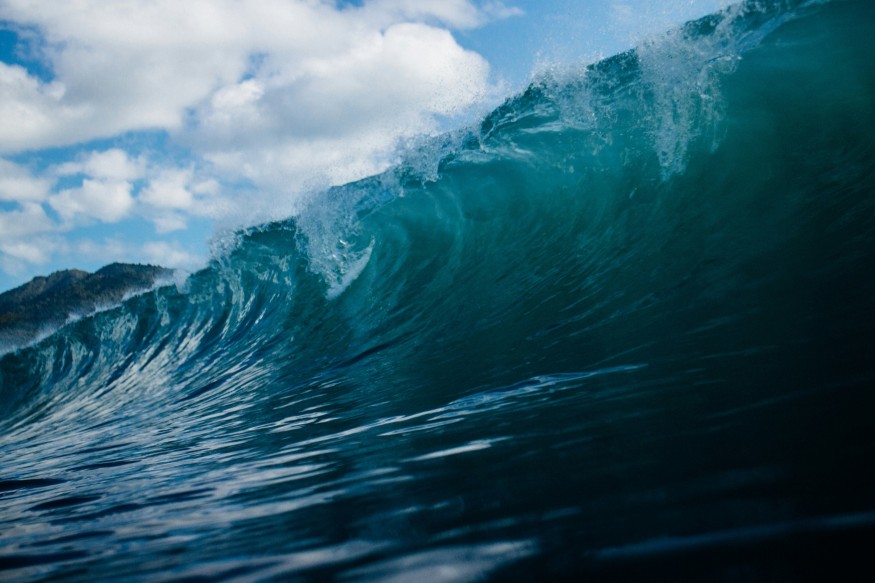
Tsunami formation begins when powerful seismic waves from undersea earthquakes abruptly displace the ocean floor. These events most often occur at subduction zones, where tectonic plates collide and one plate is forced beneath another. When vertical displacement exceeds several meters across fault ruptures spanning more than 100 kilometers, massive volumes of seawater are lifted or dropped instantly. This sudden movement transfers energy into the ocean, generating long-wavelength tsunami waves rather than surface ripples.
Unlike wind-driven waves, tsunamis move the entire water column from surface to seabed. Seismic waves can trigger tsunamis that race across deep oceans at speeds exceeding 700 to 800 kilometers per hour. Within minutes of a major earthquake, these fast-moving waves become deadly coastal hazards, reaching shorelines before warnings can fully circulate.
Formation Mechanisms of Tsunami Formation and Seismic Waves
Tsunami formation most commonly results from megathrust earthquakes along convergent plate boundaries. When tectonic plates lock together, stress accumulates over decades or centuries. Once released, seismic waves rupture the fault and cause the seafloor to rebound vertically, sometimes by more than ten meters. This vertical displacement pushes the overlying water upward, initiating tsunami waves that radiate outward in all directions.
The 2004 Indian Ocean tsunami is a classic example of seismic-wave-driven tsunami formation. A magnitude 9.1 earthquake ruptured more than 1,300 kilometers of fault, displacing the seabed and sending waves across the Indian Ocean. Coastal hazards unfolded rapidly, impacting Indonesia, Sri Lanka, India, and even eastern Africa, causing catastrophic loss of life.
Not all tsunamis originate solely from earthquakes. Submarine landslides and volcanic collapses can also drive tsunami formation. The 2011 Japan tsunami was primarily earthquake-driven, but landslide amplification intensified local runup. Landslide-generated tsunamis can be even more extreme, as seen in the 1958 Lituya Bay event in Alaska, where a massive rockslide displaced water and generated a wave reaching 1,720 feet (524 meters), the highest tsunami ever recorded.
Propagation Speed Factors Behind Seismic Waves and Coastal Hazards
Once formed, tsunami waves propagate across the ocean according to fundamental physics rather than atmospheric conditions. While seismic waves initiate tsunami formation, wave speed in open water depends on ocean depth. In deep ocean basins averaging 4,000 meters, tsunami waves travel at jetliner speeds approaching 720 kilometers per hour.
Unlike normal waves, tsunamis have extremely long wavelengths, often exceeding 100 kilometers. This allows them to lose very little energy as they cross entire ocean basins. Wind friction and surface turbulence have minimal effect, enabling tsunamis to travel thousands of kilometers with nearly unchanged momentum.
As tsunami waves approach shallower coastal waters, their speed decreases, but energy conservation causes wave height to increase. This process, known as shoaling, transforms nearly invisible open-ocean waves into towering coastal hazards. Fjords, bays, and continental shelves can further focus wave energy, dramatically amplifying destruction.
Coastal Impact Dynamics and Landslide-Driven Tsunami Formation
Tsunami damage intensifies when waves interact with coastlines, where deep-ocean energy is suddenly compressed into destructive force. At landfall, tsunami formation shifts from fast-moving water to overwhelming coastal hazards shaped by shoreline depth and geometry. The danger increases further when waves arrive repeatedly or originate from landslides, which can generate extreme runup heights in confined areas. Together, these processes explain why tsunami impacts are often sudden, amplified, and devastating even far from the source.
- Wave Amplification at Landfall: As tsunami waves slow in shallow water, their height can increase by 10 to 30 times, transforming small offshore waves into towering walls of water.
- Multiple Wave Surges: Coastal hazards typically arrive in a series of waves, prolonging flooding and structural damage over several hours rather than a single impact.
- 2011 Japan Tsunami Example: Repeated wave trains overwhelmed sea walls, flooded inland communities, and caused widespread erosion and infrastructure collapse.
- Sediment and Debris Transport: Tsunami formation drives massive movement of sand, soil, and debris, burying landscapes and depositing material kilometers inland.
- Destructive Backwash Effects: Retreating water scours foundations, uproots vegetation, and drags vehicles and debris back toward the sea.
- Resonance in Bays and Fjords: Narrow coastal geometries can trap and amplify seismic wave energy, doubling or tripling runup heights.
- 1958 Lituya Bay Landslide Tsunami: A massive rockslide into a narrow fjord generated a wave reaching 1,720 feet (524 meters), the highest recorded runup in history.
- 2018 Sunda Strait Tsunami: The collapse of Anak Krakatau produced a tsunami without strong seismic waves, striking coastlines without warning.
- Non-Earthquake Triggers: Landslides, volcanic flank failures, and rapid sediment collapse can all produce extreme coastal hazards independent of major earthquakes.
Mitigation Strategies for Seismic Waves and Coastal Hazards
Effective tsunami mitigation combines technology, engineering, and human awareness to reduce loss of life. Because seismic waves can generate tsunamis within minutes, layered defenses are essential for both immediate response and long-term resilience. Communities that integrate warning systems, infrastructure planning, and public education are far better prepared for coastal hazards.
- Early-Warning Systems: Sensors detect seismic waves within minutes of rupture, triggering tsunami alerts before waves reach shorelines.
- Evacuation Planning: Clearly marked routes and drills are critical, especially for near-field tsunamis with very short warning times.
- Vertical Evacuation Structures: Purpose-built towers and elevated platforms provide refuge where horizontal evacuation is not possible.
- Resilient Infrastructure: Reinforced seawalls, elevated buildings, and breakaway ground floors reduce damage from coastal hazards.
- Nature-Based Defenses: Mangroves, coral reefs, and wetlands dissipate wave energy and reduce surge impact before landfall.
- Public Awareness: Recognizing natural warning signs like strong shaking or sudden sea withdrawal can save lives when alerts arrive too late.
Conclusion
Tsunami formation driven by seismic waves represents one of nature's fastest and most destructive processes. Whether triggered by megathrust earthquakes, submarine landslides, or volcanic collapses, these events generate coastal hazards capable of reshaping shorelines in minutes. Historical examples, from the 2004 Indian Ocean disaster to the extreme 1958 Lituya Bay wave, demonstrate the wide range of tsunami behaviors and impacts.
Advances in satellite monitoring, ocean sensors, and real-time modeling continue to improve detection and response. While tsunamis cannot be prevented, understanding tsunami formation and seismic waves allows societies to reduce risk, strengthen resilience, and transform unpredictable coastal hazards into manageable threats.
Frequently Asked Questions
1. What causes tsunami formation most often?
Tsunami formation most commonly occurs when powerful earthquakes displace the seafloor vertically. These events usually happen at subduction zones where tectonic plates collide. The sudden movement transfers energy into the ocean water above. This creates long-wavelength waves that travel rapidly across entire ocean basins.
2. How fast do seismic-wave tsunamis travel in open oceans?
Tsunami waves travel at speeds determined by water depth rather than wind. In deep oceans, they commonly move between 700 and 800 kilometers per hour. This allows them to cross oceans in a matter of hours. Despite their speed, they remain nearly invisible until reaching shallow water.
3. Why do coastal hazards become worse near shorelines?
As tsunami waves enter shallow coastal waters, they slow down and increase in height. This process concentrates energy, dramatically amplifying wave size. Bays, fjords, and continental shelves can further focus this energy. The result is severe flooding, erosion, and structural damage.
4. Can tsunamis form without major earthquakes?
Yes, tsunami formation can occur without large earthquakes. Submarine landslides and volcanic collapses can displace massive volumes of water. Events like the 1958 Lituya Bay and 2018 Sunda Strait tsunamis were caused by landslides. These tsunamis can be extremely localized but exceptionally powerful.
© 2026 ScienceTimes.com All rights reserved. Do not reproduce without permission. The window to the world of Science Times.


