Weather vs climate is one of the most misunderstood topics in everyday science, even though both shape daily decisions and long-term planning. Weather describes short-term atmospheric conditions such as temperature, rainfall, wind, and humidity that change hour by hour or day by day. Climate, in contrast, represents long-term averages and patterns calculated over at least 30 years, defining what conditions are typical for a region.
The difference between weather and climate becomes clear when comparing single events to long-term trends. A snowstorm, heatwave, or rainy week reflects weather, not climate change by itself. Understanding this distinction helps explain why isolated extremes don't invalidate long-term climate patterns and why both concepts matter in different ways.
Daily Weather Patterns and Weather vs Climate Timescales
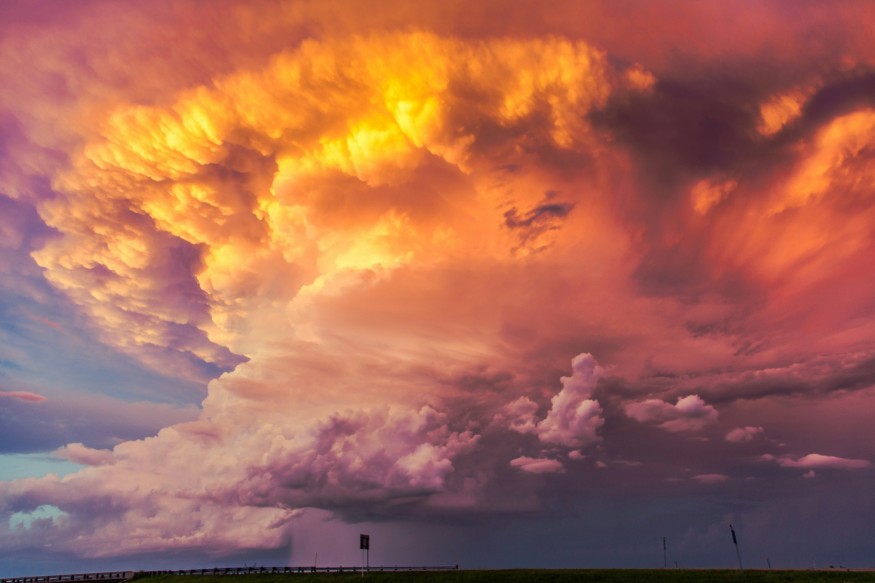
Weather vs climate differences are most visible in daily weather patterns driven by rapidly changing atmospheric conditions. Weather forms through interactions between air pressure systems, moisture, temperature, and wind, producing events like thunderstorms, cold fronts, or heatwaves that may last minutes or days. These short-term fluctuations are inherently chaotic, meaning small changes can quickly alter outcomes.
The difference between weather and climate is evident when jet streams shift or storm fronts collide. Polar vortex outbreaks, for example, can plunge temperatures suddenly without changing a region's overall climate classification. Microclimates further complicate weather patterns, with temperature differences of up to 10°C occurring over short distances due to elevation, urban heat islands, or proximity to water.
Because weather changes constantly, forecasts rely on real-time satellite data, radar, and surface stations. Accuracy typically declines after seven to ten days, highlighting the limits of predicting short-term atmospheric behavior.
Long-Term Climate Records and the Difference Between Weather and Climate
The difference between weather and climate emerges only when data is averaged over long periods. Climate describes expected conditions—such as average temperatures, seasonal rainfall, or typical storm frequency—based on decades of observations. A single extreme year does not redefine climate, just as one cold winter doesn't erase long-term warming trends.
Weather vs climate analysis relies on historical records extending far beyond modern instruments. Tree rings reveal annual rainfall patterns, ice cores preserve ancient atmospheric gases, and coral growth records ocean temperatures over centuries. These proxies allow scientists to reconstruct climate behavior thousands of years into the past.
Long-term records show that recent global temperature increases stand out from natural variability. Climate changes slowly compared to weather, but when it shifts, the effects persist for generations, influencing ecosystems, agriculture, and sea levels worldwide.
Measurement Methods Used for Weather vs Climate Analysis
Weather vs climate differences also appear in how each is measured and modeled. Weather monitoring focuses on immediate conditions using satellites, radar, balloons, and ground stations that update data every few minutes. These systems capture localized changes, such as thunderstorms forming or cold fronts advancing.
The difference between weather and climate lies in data aggregation. Climate models average weather data across large regions and long periods, filtering out daily noise to identify trends. Instead of predicting tomorrow's rain, climate science estimates seasonal probabilities, long-term warming rates, or shifting precipitation patterns.
Climate "normals" are calculated using 30-year periods, such as the 1991–2020 baseline. This statistical approach ensures short-term anomalies don't distort long-term expectations, reinforcing why weather extremes must be viewed in a broader context.
Impacts and Predictions Based on Weather vs Climate Understanding
Weather vs climate understanding directly affects how societies respond to risks. Weather forecasts save lives by providing early warnings for hurricanes, floods, and heatwaves days in advance. These alerts help emergency services prepare and communities evacuate when necessary.
The difference between weather and climate becomes crucial for long-term planning. Climate projections guide infrastructure design, agriculture strategies, and coastal development decisions expected to last decades. Rising sea levels, shifting rainfall patterns, and increased heat extremes influence insurance costs, food security, and population movement.
Short-term weather responses and long-term climate strategies work together. Immediate preparedness addresses daily hazards, while climate adaptation and mitigation reduce future risks on a global scale.
Conclusion
Weather vs climate clarity helps explain why daily conditions and long-term trends serve different purposes. Weather informs immediate decisions like travel, clothing, and emergency response, while climate shapes infrastructure planning, ecosystems, and economic stability over decades. Confusing the two can lead to misinterpretations of extreme events and long-term change.
Understanding the difference between weather and climate allows individuals and policymakers to respond appropriately at each timescale. Short-term variability demands preparedness, while long-term shifts require sustained strategies to reduce risk and adapt responsibly for future generations.
Frequently Asked Questions
1. Weather vs climate timescale—what's the difference?
Weather refers to conditions over hours or days, such as rain or temperature changes. Climate describes average patterns measured over at least 30 years. Both use similar data, but climate relies on long-term trends rather than daily variability. This timescale difference defines their roles.
2. What is a simple difference between weather and climate example?
A snowstorm is weather because it happens over a short time. Average winter snowfall over decades represents climate. One event doesn't redefine long-term patterns. Climate reflects what is typical, not exceptional.
3. What is a normal climate?
Climate normals are 30-year averages of temperature, rainfall, and other variables. They provide a stable baseline for comparison. Meteorological agencies update them every decade. This prevents short-term extremes from skewing expectations.
4. Why can't weather be predicted far in advance?
Weather systems are chaotic and sensitive to small changes. Tiny variations can grow rapidly, limiting forecast accuracy beyond about 10 days. Climate predictions avoid this issue by averaging outcomes. That's why climate can be projected further into the future than daily weather.
© 2026 ScienceTimes.com All rights reserved. Do not reproduce without permission. The window to the world of Science Times.


