Vital organs sit at the core of human anatomy basics because they keep every other system running. While the body contains dozens of organs, only a few are truly non-negotiable for survival. These organs work in tight coordination, passing oxygen, nutrients, signals, and waste in a constant loop that never pauses.
Human anatomy basics show that survival depends less on how many organs you have and more on how well these key systems cooperate. Damage to one often strains the others, creating chain reactions that medicine struggles to reverse. Understanding how these vital organs function explains why some injuries are immediately fatal while others allow time for treatment.
Vital Organs List: The Five Organs You Cannot Live Without
Vital organs define survival boundaries in human anatomy basics. These five organs perform functions that no other system can fully replace for long. Their failure sets off rapid, often irreversible collapse.
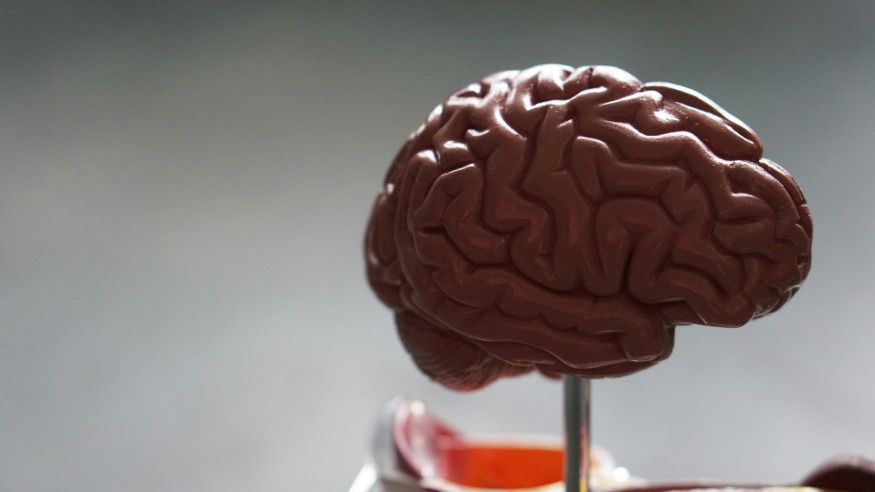
- Brain – The brain controls consciousness, breathing, and heart rhythm through constant electrical signaling. It processes sensory input, movement, memory, and emotion while managing automatic survival functions. Without oxygen, brain cells begin dying within minutes, leading to permanent damage.
- Heart – The heart pumps oxygenated blood to every tissue, delivering nutrients and removing waste. Its electrical system coordinates steady contractions that keep circulation continuous. When the heart stops, organs are deprived of oxygen almost immediately.
- Lungs – The lungs exchange oxygen and carbon dioxide to keep blood chemistry stable. Millions of tiny air sacs allow oxygen to enter the bloodstream with each breath. Lung failure quickly leads to low oxygen levels and dangerous acid buildup.
- Liver – The liver detoxifies blood and regulates metabolism around the clock. It processes nutrients, produces bile for digestion, and creates proteins needed for clotting. Severe liver damage allows toxins to reach the brain and disrupts the entire body.
- Kidneys – The kidneys filter waste while controlling fluid, electrolyte, and acid balance. They regulate blood pressure and support red blood cell production. When kidney function fails, toxins accumulate and heart rhythms become unstable.
Each organ depends on the others to stay alive, making survival a shared effort rather than an individual task.
Vital Organs: Brain and Heart Control Centers
Vital organs reach their command level in the brain and heart. The brain, weighing about 1.4 kilograms, governs awareness, movement, and automatic functions like breathing and blood pressure. The brainstem is especially critical, as damage there can stop respiration and heartbeat within seconds.
The heart works as a tireless pump, beating roughly 100,000 times a day to circulate oxygen and nutrients. Electrical signals coordinate each contraction, keeping blood moving efficiently. When either organ fails, oxygen delivery collapses, and tissues begin dying within minutes, showing why these control centers are so tightly protected.
Human Anatomy Basics: Lungs and Liver as Life Sustainers
Human anatomy basics place the lungs and liver at the center of chemical balance. The lungs supply oxygen through millions of alveoli, allowing red blood cells to fuel every organ. Even short interruptions can cause dangerous drops in blood oxygen and rising acidity.
The liver performs hundreds of tasks behind the scenes. It neutralizes toxins, produces bile for digestion, and manages blood proteins and clotting factors. Unlike most vital organs, the liver can partially regenerate, but severe damage still disrupts metabolism, leading to confusion, bleeding, and systemic failure.
Vital Organs: Kidneys and Internal Balance
Vital organs include the kidneys because survival depends on clean, balanced blood. Each kidney filters waste through millions of nephrons, regulating fluids, electrolytes, and blood pressure. This constant filtration keeps the internal environment stable.
Kidneys also manage acid-base balance and activate vitamin D for bone health. When they fail, toxins build up quickly, potassium levels rise, and heart rhythms become unstable. Dialysis can temporarily replace filtering, but without intervention, kidney failure threatens every organ system.
Organ Failure and the Chain Reaction Effect
Vital organs rarely fail alone. Human anatomy basics show that when one organ falters, others follow under stress. Heart failure reduces kidney filtration, lung disease starves the brain of oxygen, and liver failure poisons the bloodstream.
Modern medicine can support these systems with ventilators, dialysis, pacemakers, and transplants. Some organs have limited backup capacity, but prolonged failure overwhelms even advanced care. These interconnections explain why prevention and early treatment matter more than rescue after collapse.
Why Vital Organs Define Survival Limits
Vital organs and human anatomy basics reveal a clear truth: survival depends on balance, not strength. The body can adapt to injuries and loss, but only within strict limits set by these organs. Lifestyle choices, screenings, and early care protect this balance more than dramatic interventions.
Understanding how these organs work together helps explain why small disruptions can have serious consequences. Health is not just the absence of disease but the quiet cooperation of systems keeping life steady. Protecting vital organs means protecting the foundation that allows everything else to function.
Frequently Asked Questions
1. What makes an organ "vital" for survival?
Vital organs perform functions that cannot stop without causing death. They control oxygen delivery, circulation, detoxification, and internal balance. Other organs may assist these processes but cannot fully replace them. Loss of a vital organ quickly affects the entire body.
2. Can a person survive without one of the five vital organs?
Survival without a vital organ is extremely limited. Dialysis can temporarily replace kidney function, and machines can support heart and lung activity. However, these are bridges, not permanent solutions. Long-term survival usually requires transplantation or recovery.
3. Why is the liver considered vital if it can regenerate?
The liver is vital because it manages detoxification and metabolism nonstop. While it can regenerate tissue, severe damage overwhelms this ability. When liver function drops too low, toxins affect the brain and blood chemistry. Regeneration only works if enough healthy tissue remains.
4. Which vital organ fails fastest without oxygen?
The brain is the most sensitive to oxygen loss. Irreversible damage can begin within four to six minutes. Other organs follow as circulation and breathing stop. This is why rapid response is critical in cardiac or respiratory emergencies.
© 2026 ScienceTimes.com All rights reserved. Do not reproduce without permission. The window to the world of Science Times.


