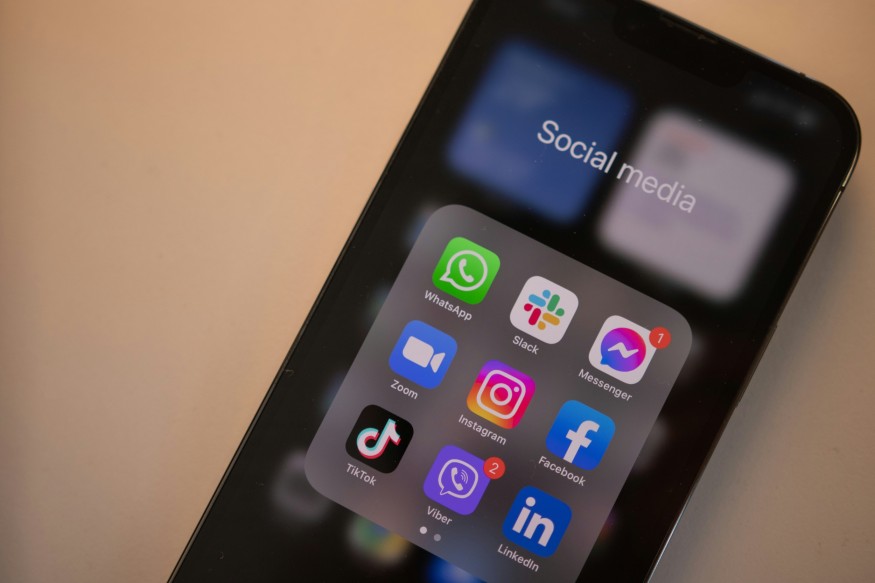
Doomscrolling habits are a growing concern in the digital age, driven by endless feeds of negative news and emotionally charged content. Social media psychology shows that FOMO, negativity bias, and dopamine-driven reward loops make it difficult to disengage, even when users know it harms mental health. Understanding these patterns is key to applying effective digital wellness strategies that allow for healthier engagement online while maintaining focus, emotional balance, and productivity in everyday life.
Humans are wired to react to potential threats, a trait amplified by social media platforms serving constant alerts and sensationalized headlines. This compulsive behavior can disrupt sleep, concentration, and mood, creating stress cycles that feel nearly impossible to break. Integrating knowledge of doomscrolling habits with practical tools and mindful habits empowers users to reclaim control of their attention and develop a balanced, conscious approach to online content consumption.
Negativity Bias and Dopamine Fuel Doomscrolling Habits
Doomscrolling habits are deeply rooted in human psychology and amplified by social media platforms. Evolutionary negativity bias makes humans inherently sensitive to threats, causing alarming headlines to grab attention more than neutral or positive news. Platforms exploit this bias through algorithmic amplification, serving content designed to trigger emotional reactions and dopamine release, which reinforces endless scrolling. Personality traits, such as high neuroticism or low conscientiousness, further increase susceptibility to compulsive news consumption, intensifying doomscrolling habits.
These habits have significant cognitive and emotional consequences. Continuous exposure to negative news elevates stress and anxiety by increasing cortisol production, while nighttime scrolling disrupts melatonin release, interfering with sleep cycles. Persistent engagement can also lead to mood disturbances, such as irritability, hopelessness, or depressive symptoms, and reduce productivity by consuming time meant for work, study, or personal activities. Recognizing these psychological drivers and effects is essential for implementing effective digital wellness strategies.
Key Impacts of Doomscrolling Habits:
- Stress and Anxiety: Elevated cortisol from constant exposure to alarming headlines.
- Sleep Disruption: Nighttime scrolling delays melatonin production, affecting rest and recovery.
- Mood Disturbances: Increased irritability, hopelessness, or depressive feelings.
- Reduced Productivity: Time spent scrolling takes away from work, study, or personal tasks.
- Heightened Emotional Reactivity: Users may respond more strongly to negative news offline.
- Reinforced Compulsive Behavior: Algorithmic rewards make breaking the habit more difficult.
Social Media Traps and Digital Wellness Strategies
Digital wellness strategies are essential for countering the psychological traps of social media that reinforce doomscrolling habits. By implementing these techniques, users can regain control over screen time, reduce stress, and foster healthier information consumption:
- Time Limits and Grayscale Mode: Restricting social media usage and reducing color stimulation helps break the compulsion to scroll endlessly, lowering dopamine-driven engagement.
- Mindfulness Practices: Scheduled social media checks, intentional pauses, and deep-breathing exercises prevent anxiety spirals and increase awareness of emotional responses to content.
- Curated Feeds: Diversifying news sources, following positive or neutral accounts, and avoiding sensationalized content counters algorithm-driven negativity.
- Platform Tools: Built-in focus modes, app timers, and notification batching encourage conscious engagement rather than reactive scrolling.
- Digital Detox Periods: Taking regular breaks from screens, such as one day per week, allows mental recovery and reduces dependence on instant news updates.
- Accountability Partners: Sharing usage goals with friends or family provides social reinforcement and motivation to stick to digital wellness routines.
- Content Journaling: Tracking which types of posts trigger stress or negative emotions helps identify patterns and refine curated feeds for a healthier media diet.
- Physical Environment Adjustments: Keeping devices out of bedrooms, using blue-light filters, and creating dedicated tech-free spaces support better sleep and mental clarity.
By combining these strategies, users can mitigate the negative effects of doomscrolling habits and foster a more balanced, intentional relationship with social media.
Practical Steps to Reduce Doomscrolling Habits
Adopting digital wellness techniques and understanding social media psychology can help break compulsive scrolling loops. Implementing structured habits encourages intentional engagement and reduces emotional strain:
- Scheduled Breaks: Allocate specific windows for checking news or social media to prevent continuous consumption and avoid mindless scrolling.
- Notifications Control: Limit alerts to essential apps, silence push notifications, and batch updates to reduce triggers that prompt automatic checking.
- Offline Activities: Engage in exercise, hobbies, creative projects, or face-to-face social interaction to replace the habitual urge to scroll.
- Journaling or Reflection: Logging emotions, reactions, and triggers related to news content improves self-awareness and reduces compulsive behavior over time.
- Mindful Transitions: Before opening social media, pause and consciously decide whether it is necessary, reinforcing intentional usage.
- Digital Curfews: Set phone-free periods, particularly before bedtime, to improve sleep quality and mental recovery.
- App Restrictions or Blockers: Use tools or apps to limit time on social media, encouraging focus on productive or calming activities.
- Reward Substitution: Replace scrolling with positive rewards such as reading, listening to music, or meditation to retrain habits.
- Community Support: Share digital wellness goals with friends or online groups to gain accountability and motivation to reduce doomscrolling.
By combining these practical steps, users can regain control over their attention, reduce anxiety, and foster a healthier, balanced relationship with digital media.
Conclusion
Doomscrolling habits rooted in social media psychology are a modern mental health challenge, but proactive interventions can mitigate their effects. Understanding the interplay between evolutionary threat detection, dopamine-driven feedback loops, and algorithmic reinforcement empowers users to make informed decisions about content consumption.
Integrating digital wellness strategies—like scheduled usage, mindfulness, curated feeds, and platform tools—restores control over attention, reduces stress, and supports overall mental health. With consistent practice, users can break compulsive scrolling cycles, maintain emotional balance, and foster healthier relationships with social media. Prioritizing awareness of doomscrolling habits alongside intentional digital engagement ensures long-term cognitive, emotional, and psychological well-being.
Frequently Asked Questions
1. What causes doomscrolling habits in anxious people?
Anxiety amplifies threat sensitivity and negativity bias, increasing the likelihood of compulsive news consumption.
2. How does social media psychology create addiction loops?
Algorithms deliver emotionally charged content and unpredictable rewards that stimulate dopamine release, reinforcing scrolling habits.
3. What digital wellness apps block doomscrolling?
Apps like Forest, Freedom, and Space help limit screen time, enforce breaks, and encourage intentional usage.
4. Can doomscrolling cause clinical depression?
Chronic exposure to harmful content can exacerbate stress, sleep disruption, and mood disorders, increasing risk for depressive symptoms.
Originally published on Tech Times
ⓒ 2026 TECHTIMES.com All rights reserved. Do not reproduce without permission.


