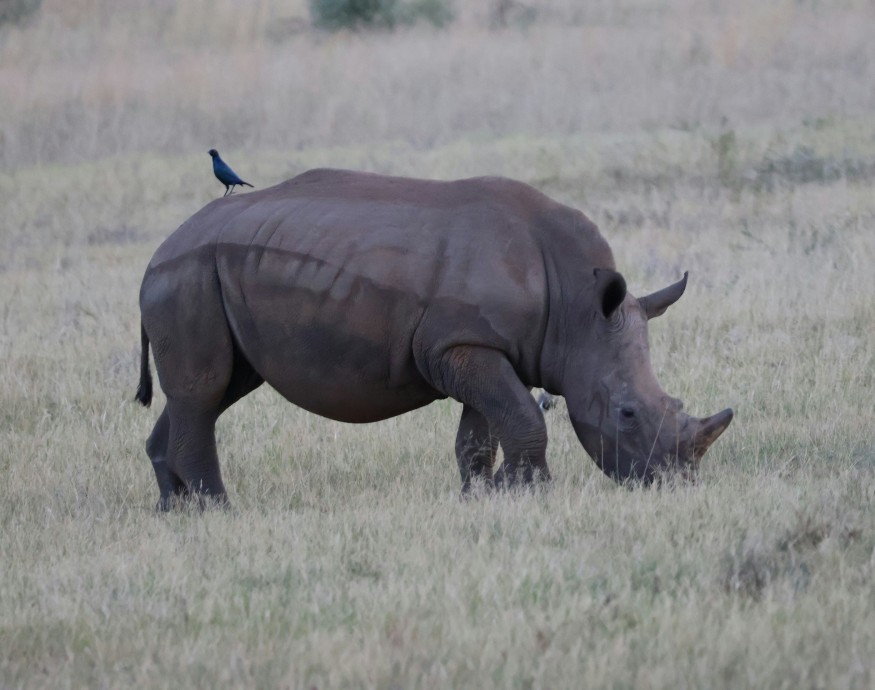
Endangered species worldwide are disappearing at an alarming rate, with some facing imminent extinction. Iconic examples include the vaquita porpoise, with fewer than 10 individuals left, and the Javan rhino, totaling only 75 animals. Conservation science is deploying innovative tools to reverse these declines, combining genomics, captive breeding, artificial insemination, and habitat restoration. These strategies aim to preserve genetic diversity, prevent disease, and bolster population numbers, turning the tide for species once thought doomed.
The IUCN currently lists over 44,000 threatened species, ranging from mammals and birds to amphibians and marine life. Traditional protection measures like anti-poaching patrols and wildlife reserves are no longer enough on their own. Emerging technologies, including CRISPR gene editing, environmental DNA detection, AI-powered monitoring, and drone surveillance, are accelerating recovery timelines. By integrating science with field ecology, conservationists hope to stabilize populations and ensure these animals survive for generations to come.
12 Endangered Species and Conservation Strategies
Endangered species face critical threats from habitat loss, poaching, and climate change. Conservation science combines technology, genetics, and field ecology to prevent extinction and stabilize populations. Innovative methods allow researchers to monitor, protect, and even revive species once considered lost.
- Vaquita (Phocoena sinus) – Only 10 remain; acoustic deterrents and gillnet bans help prevent bycatch. Conservationists also conduct boat patrols and monitor sonar activity. Vaquitas are the smallest and rarest porpoises in the world, and they are extremely shy, making them hard to spot.
- Amur leopard (Panthera pardus orientalis) – 100 wild; camera traps and AI anti-poaching systems track and protect individuals. Forest restoration and anti-poaching patrols help expand their fragmented habitat. Amur leopards have the thickest fur of any leopard species, helping them survive harsh Russian winters.
- Saola (Pseudoryx nghetinhensis) – Fewer than 100; environmental DNA (eDNA) from rivers identifies hidden populations. Remote sensing and trail cameras support monitoring in dense forests. Nicknamed the "Asian unicorn," the saola was first discovered in 1992 and is so elusive that few have seen it in the wild.
- Yangtze finless porpoise – About 1,000; artificial breeding programs preserve genetic diversity. Habitat rehabilitation in freshwater rivers reduces pollution and shipping threats. These porpoises are known for their high-pitched clicks and whistles, which they use to communicate in murky river waters.
- Hawksbill turtle (Eretmochelys imbricata) – 20,000 nests; satellite tagging monitors migration, nesting, and survival. Beach protection and artificial hatcheries increase juvenile survival. Fun fact: Hawksbill turtles have beautiful shells with a unique overlapping scale pattern, which unfortunately made them a target for illegal trade.
- Cross River gorilla – 300; drones monitor nests and group movements for better protection. Community engagement reduces poaching risk. Cross River gorillas are so elusive that they are rarely seen, and their name comes from the Cross River on the Nigeria-Cameroon border.
- Sumatran rhino (Dicerorhinus sumatrensis) – 40 total; IVF from frozen semen revives critically small lineages. Intensive captive care programs increase reproductive success. Sumatran rhinos are the smallest living rhinos and are covered in patches of reddish-brown hair, giving them a somewhat prehistoric look.
- Javan rhino (Rhinoceros sondaicus) – 75; fecal DNA mapping tracks territory use and reproductive success. Anti-poaching patrols and invasive species removal protect critical habitat. Javan rhinos are considered the rarest rhinos in the world and have a single horn, unlike the two-horned Indian rhino.
- California condor (Gymnogyps californianus) – 500; lead-free ammunition reduces poisoning, and CRISPR is used to edit susceptibility genes. Captive breeding and reintroduction programs increase population density. California condors have the largest wingspan of any North American bird, reaching up to 3 meters, allowing them to soar effortlessly.
- Black-footed ferret (Mustela nigripes) – 370; cloning from frozen 1980s cells produces new individuals, complementing field ecology. Prairie dog habitat restoration ensures food and shelter availability. Black-footed ferrets are nocturnal and almost exclusively prey on prairie dogs, making them ecosystem specialists.
- Mangrove finch (Camarhynchus heliobates) – 20–40; nest guarding and parasite removal increase chick survival. Mangrove restoration maintains essential breeding grounds. This tiny finch lives only in mangrove forests on the Galápagos Islands and is one of the rarest birds on Earth.
- Sunda tiger (Panthera tigris sondaica) – 400; camera grids and gene banking protect genetic diversity. Anti-poaching patrols and wildlife corridors prevent isolation. Sunda tigers are excellent swimmers and can cross rivers, a trait that helps them hunt and explore fragmented habitats.
Read more: How the 8 Smartest Animals Show Extraordinary Animal Intelligence and Cognitive Abilities
How Conservation Science Intervenes
Conservation science applies cutting-edge methods to save endangered species. Technologies like CRISPR gene editing allow scientists to remove disease susceptibility genes, while cloning revives populations from historical genetic material. Captive breeding programs maintain genetic diversity, ensuring small populations avoid inbreeding depression. Environmental DNA (eDNA) enables non-invasive detection of elusive species, guiding conservation priorities and targeted interventions.
Field-based monitoring complements lab techniques. Camera traps, drones, and AI-powered tracking prevent poaching and detect habitat changes early. Combining these approaches maximizes success rates, even for species with fewer than 50 individuals. Genomic sequencing informs breeding strategies, helping scientists select compatible mates to preserve adaptive traits. This integration of molecular biology, artificial intelligence, and ecological fieldwork defines modern conservation science and boosts endangered species survival odds.
Habitat Restoration and Global Efforts
Habitat restoration and global collaboration are vital for endangered species survival. Reforestation, wetland, and coral reef rehabilitation provide safe habitats, while wildlife corridors connect terrestrial reserves. Tracking marine migration guides protected areas. International treaties, anti-poaching policies, and public engagement amplify conservation, and combining these with lab-based interventions like cloning or CRISPR increases the chance of population recovery.
Conclusion
The survival of endangered species depends increasingly on the innovations of conservation science. From genomics and artificial breeding to AI monitoring and habitat restoration, modern techniques allow interventions that were impossible decades ago. By integrating laboratory research with field ecology, conservationists can stabilize populations, prevent disease, and maintain genetic diversity for the most threatened animals on Earth.
While challenges remain—climate change, poaching, and habitat loss continue to threaten species—coordinated global efforts are yielding measurable results. Many species once on the brink, like the California condor or black-footed ferret, are showing population increases. Advances in conservation science demonstrate that extinction is not inevitable, and a combination of technology, biology, and policy can preserve biodiversity for future generations.
Frequently Asked Questions
1. What is the most critically endangered mammal?
The vaquita porpoise is the most critically endangered mammal, with fewer than 10 individuals remaining. Its small population faces immediate threats from gillnet fishing. Conservation interventions include acoustic deterrents and legal protections. Without these measures, the species could vanish in the next few years.
2. How does conservation science use CRISPR?
CRISPR allows genetic editing to remove disease susceptibility in species like condors or black-footed ferrets. Scientists can prevent hereditary illnesses and improve reproductive success. It complements traditional conservation methods like breeding programs. Ethical oversight ensures careful application.
3. Can cloning save the black-footed ferret?
Yes, frozen embryos from the 1980s have been used to produce live kits in 2021. Cloning supplements captive breeding and preserves genetic diversity. It allows scientists to reintroduce traits that may have been lost. Combined with habitat protection, cloning improves recovery outcomes.
4. What is eDNA for endangered species?
Environmental DNA (eDNA) is genetic material shed into water, soil, or sediment. It allows researchers to detect species presence non-invasively. This technique is especially useful for elusive or aquatic species. eDNA helps guide conservation planning and monitor population trends efficiently.
© 2026 ScienceTimes.com All rights reserved. Do not reproduce without permission. The window to the world of Science Times.


