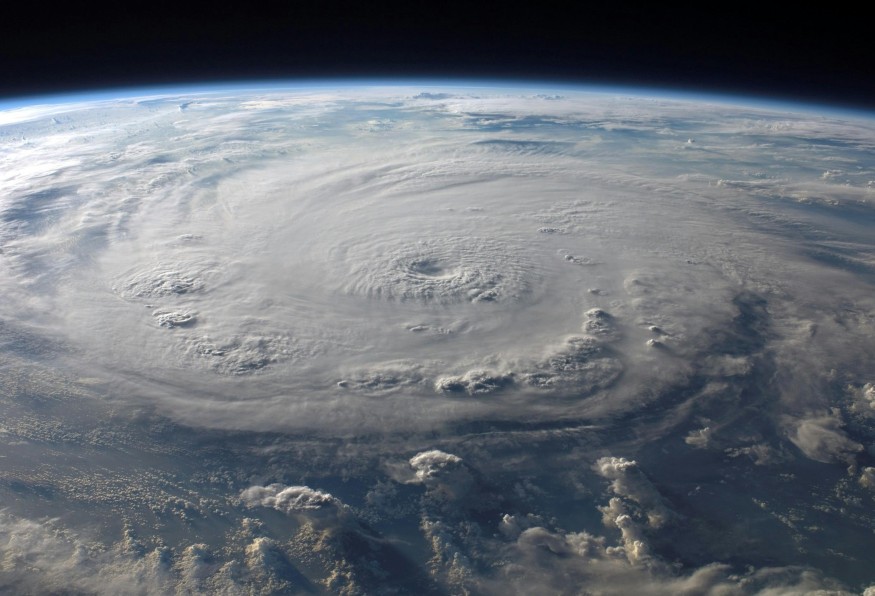
Typhoon formation starts when warm ocean waters surpass 26.5°C, allowing heat and moisture to rise and form powerful clusters of storms that can evolve into Category 5 systems. As convection strengthens, the developing cyclone organizes into spiraling rainbands and a tightening core, building enough energy to release more power each day than the world's electrical grid. With oceans now hotter than ever recorded, the rate of rapid intensification is climbing, making storms strengthen far faster and closer to land.
Climate-driven storms have become more dangerous as each degree of warming boosts intensity by 10–15% and increases the frequency of Category 4 and 5 typhoons by nearly half. These warmer oceans also double rainfall during extreme weather events, heightening flooding risks and pushing communities beyond traditional preparedness strategies. The result is a future where stronger storms form more often and leave far more damage in their wake.
How Warm Oceans Drive Dangerous Typhoon Formation
Typhoon formation relies heavily on ocean heat content, and waters exceeding 100 kJ/cm² provide enough stored energy to sustain massive convection within the eyewall. This deep heat reservoir powers towering thunderstorms that surround the center, releasing energy on the scale of 10¹⁹ joules each day—equivalent to millions of nuclear bombs. The process becomes self-reinforcing as air rises, cools, condenses, and releases latent heat, further strengthening the updrafts that fuel the storm.
The Coriolis effect is crucial, as it causes the rotating motion needed for a cyclone to spin and organize. Only storms forming at least eight degrees north or south of the equator experience enough rotation to develop a true vortex structure. Once a storm starts spinning, upper-level outflow channels vent excess heat away from the system, acting like exhaust pipes that allow the typhoon to intensify without choking on its own energy. With perfect conditions—warm water, rotation, and low wind shear—winds can exceed 200 km/h as the system grows into a mega typhoon.
Key Drivers of Typhoon Formation:
- Warm ocean heat content fueling intense convection in the eyewall
- Coriolis effect enabling rotation and storm organization
- Upper-level outflow venting heat and sustaining intensification
- Low wind shear preserving storm structure and allowing rapid strengthening
- Deep moisture supply creating powerful updrafts and expanding rainbands
How Climate-Driven Storms Are Getting Stronger Every Year
The rapid strengthening of climate-driven storms is tied to warmer sea-surface temperatures, which directly influence their maximum potential intensity. For every 1°C increase in ocean temperature, storms can gain an additional 5–10 km/h in wind speed because warmer air holds more moisture and fuels stronger convection. The relationship is governed by basic thermodynamics, where the atmosphere's moisture capacity increases by roughly 7% per degree of warming. As a result, modern storms not only strengthen faster but produce far heavier rainfall.
Climate-driven storms now exhibit a 30% increase in rain rates, making landfalling typhoons far more destructive even if wind speeds do not break records. Another major factor is rapid intensification, which occurs when winds jump by 30 knots or more within 24 hours. This phenomenon is now three times more frequent due to deeper ocean heat pumps that keep water warm even during strong mixing. These changes create storms that can transform from mild systems into deadly super typhoons overnight, reducing preparation time for vulnerable regions.
How Extreme Weather Hazards Multiply During Mega Typhoons
Extreme weather becomes far more dangerous when multiple hazards occur simultaneously within a single typhoon event. Atmospheric rivers can transport enormous moisture streams into a storm system, producing over a meter of rainfall like during Typhoon Morakot in 2009. When these moisture plumes merge with a slow-moving typhoon, rainfall intensifies dramatically, increasing the risk of catastrophic flooding. These conditions overwhelm drainage systems, saturate soil, and set the stage for widespread landslides.
Storm surge is another major threat, with walls of water rising 3–5 meters as pressure drops and winds push ocean water onto coastlines. Slower-moving storms create even higher surges because the water piles up continuously against shorelines without receding. Extreme weather hazards compound when storm surge combines with heavy rainfall, creating floodwaters that rise rapidly and unpredictably. In mountainous regions, this combination can trigger landslides that bury communities, amplifying the death toll and complicating rescue efforts.
Key Hazards That Intensify During Mega Typhoons:
- Atmospheric rivers feeding storms with massive moisture streams
- Extreme rainfall overwhelming drainage systems and triggering floods
- Storm surge raising coastal water levels by several meters
- Slow-moving typhoons trapping water along coastlines
- Combined rainfall + storm surge causing fast-rising, unpredictable flooding
- Saturated soil leading to destructive landslides in mountain regions
Conclusion
Typhoon formation and warming-driven intensification are reshaping how we understand climate-driven storms and the extreme weather they bring. With hotter oceans providing more energy, storms are forming faster, growing stronger, and releasing record-breaking volumes of rain that overwhelm even well-prepared regions. These powerful systems are increasingly capable of rapid intensification close to land, reducing response time and escalating threats to millions of people.
While humans cannot stop mega typhoons from forming, scientific advances and early warning systems give communities a fighting chance. Improved mapping, better storm surge models, and strengthened building standards help reduce the damage from these climate-driven storms. Resilient infrastructure remains a crucial defense as extreme weather becomes more intense, more frequent, and more unpredictable in the decades ahead.
Frequently Asked Questions
1. What fuels super typhoon rapid intensification?
Super typhoons intensify rapidly when deep ocean heat content exceeds 120 kJ/cm², providing enormous energy reserves. This heat feeds continuous convection that strengthens the eyewall and accelerates wind speeds. Low wind shear allows the storm to maintain a stable structure, preventing disruption during intensification. When these factors overlap, wind speeds can jump dramatically within just one day.
2. How much stronger are typhoons becoming due to warming?
Typhoons are growing 10–15% stronger for every 1°C increase in sea-surface temperature as warmer waters transfer more heat energy into developing storms. This added heat supports taller thunderstorms, deeper convection, and more powerful wind fields. More intense storms also draw moisture faster, amplifying rainfall totals during landfall. These combined effects produce deadlier and more destructive cyclone seasons worldwide.
3. Why do climate-driven storms produce heavier rainfall?
Rainfall increases because warmer air can hold more moisture, with capacity rising about 7% per degree of warming. Climate-driven storms draw in this extra moisture and release it rapidly through intense convection. As storms slow down near coastlines, rainfall accumulates over small areas, leading to severe floods. This makes even moderate storms capable of producing extreme rainfall totals.
4. Can we stop mega typhoons from forming?
Mega typhoons cannot be prevented because they are natural outcomes of ocean heat and atmospheric dynamics. However, some experimental weather modification techniques show minor weakening potential, such as cloud seeding that may reduce storm strength by around 10%. These methods remain unproven and risky, so they are not used operationally. Long-term solutions focus instead on adaptation, mitigation, and strengthening climate resilience.
© 2026 ScienceTimes.com All rights reserved. Do not reproduce without permission. The window to the world of Science Times.


