Extreme weather events are significant atmospheric phenomena that often lead to severe impacts on communities, ecosystems, and economies. As climate science advances, it increasingly explains the causes and consequences of extreme weather, helping society prepare and adapt.
Extreme weather refers to weather conditions that deviate markedly from the average patterns, often causing damage and posing risks. These can range from violent storms to prolonged heat waves.
Climate science studies the Earth's climate system, including the atmosphere, oceans, and land, to understand weather patterns and long-term climate trends. It shows that many extreme weather events are influenced or exacerbated by climate change, with rising global temperatures driving more intense and frequent occurrences.
1. Hurricanes and Tropical Cyclones
Hurricanes and tropical cyclones are intense storm systems that form over warm ocean waters. They develop when heat from the ocean surface fuels the system, evaporating water that condenses to form clouds and rain. This process releases latent heat, which powers the storm's growth and intensification.
Storms explained by science reveal that higher ocean temperatures due to global warming contribute to stronger hurricanes, increasing their wind speeds and rainfall. Scientific observations confirm a rise in the number of high-intensity storms in recent decades, linked directly to warming seas.
2. Tornadoes
Tornadoes are rapidly rotating columns of air extending from severe thunderstorms to the ground. Their formation depends on atmospheric conditions such as wind shear, the change in wind direction and speed with height, and the presence of moist, warm air at the surface.
Climate science continues to study how changing climate patterns influence tornado frequency and severity, though the exact effects remain less certain compared to other extreme weather. Some studies indicate that shifts in atmospheric instability could alter tornado occurrences regionally.
3. Heat Waves
Heat waves are prolonged periods of excessively high temperatures relative to normal levels. These events arise from stable high-pressure systems that trap warm air near the surface, preventing cooling. Climate science links the increasing intensity and duration of heat waves directly to global warming. As the planet's average temperature rises, heat waves become more frequent and severe, posing health risks and stressing ecosystems.
4. Floods and Heavy Rainfall Events
Floods often result from extreme rainfall events overwhelming water drainage systems and natural waterways. Scientific factors contributing to intense rainfall include moist air masses, atmospheric instability, and localized weather patterns.
Climate science explains that warmer air holds more moisture, leading to heavier precipitation during storms. This effect increases the frequency of floods, especially in coastal and riverine areas, highlighting the complex relationship between extreme weather and climate change.
5. Droughts
Droughts are extended periods of deficient rainfall leading to water shortages. Scientifically, drought conditions arise from prolonged imbalances between precipitation and evaporation.
Climate science reveals that changes in temperature, humidity, and atmospheric circulation can influence drought frequency and severity. In some regions, increased evaporation rates due to warming worsen the impacts of reduced rainfall, intensifying drought conditions and threatening agriculture and water supply.
6. Severe Thunderstorms
Severe thunderstorms are characterized by intense winds, heavy rain, hail, and lightning. These storms develop when warm, moist air rises rapidly in unstable atmospheric conditions.
Storms explained by meteorologists show that the interaction of air masses and atmospheric dynamics leads to the formation of thunderstorm cells, some of which can evolve into complex systems, such as supercells, that produce large hail and tornadoes. Climate science observes that warmer temperatures and higher humidity levels can enhance thunderstorm severity.
7. Winter Storms and Blizzards
Winter storms and blizzards combine heavy snowfall, strong winds, and cold temperatures. They form from interactions of cold polar air with warmer, moist air from other regions. Scientific understanding of these events reveals that the intensity of winter storms depends on the availability of moisture and temperature contrasts.
Climate science suggests that while some areas may see fewer cold storms due to warming, others could experience stronger storms because warmer air can hold more moisture, increasing snowfall when conditions are cold enough.
8. Wildfires and Firestorms
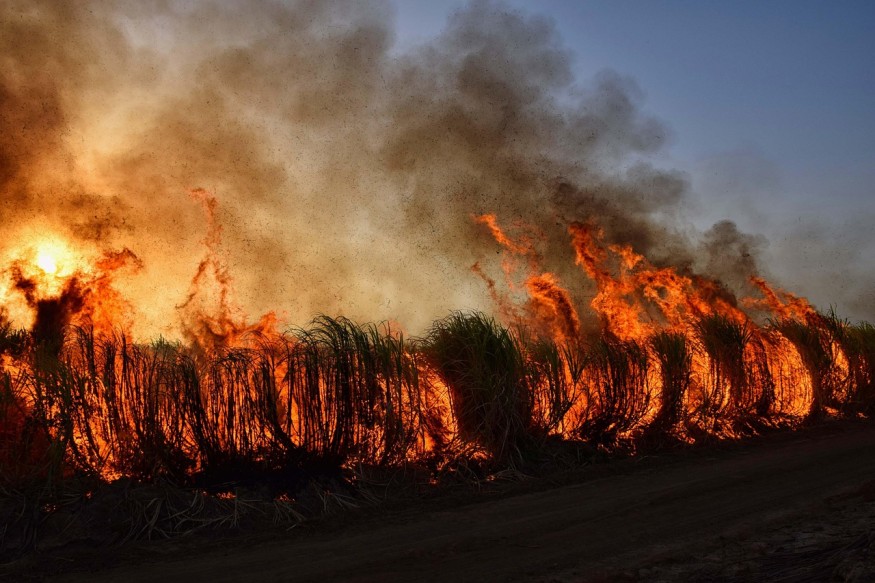
Wildfires are uncontrolled fires that spread rapidly through vegetation, often driven by hot, dry, and windy conditions. Firestorms are extreme wildfire events characterized by intense heat and erratic behavior.
Climate science links wildfires to extreme weather by showing that prolonged droughts and heat waves dry fuel sources, increasing fire risk. Rising temperatures also extend fire seasons, creating conditions favorable for larger, more destructive wildfires globally.
Understanding extreme weather through the lens of climate science reveals the complex interactions driving these powerful events. As global temperatures continue to rise, scientific research underscores the likelihood of more frequent and severe extreme weather events.
This knowledge empowers better preparation and adaptation strategies to mitigate risks posed by hurricanes, tornadoes, heat waves, floods, droughts, thunderstorms, winter storms, and wildfires.
Frequently Asked Questions
1. What are the economic costs of extreme weather events globally?
Extreme weather events have inflicted substantial economic damage, with estimates indicating over $2 trillion in global losses from nearly 4,000 climate-related incidents between 2014 and 2023, affecting 1.6 billion people.
In the last two years of that period alone, damages reached $451 billion, marking a 19% increase from prior years, while severe events in developing economies can exceed a nation's annual GDP. These costs encompass direct infrastructure damage, supply chain disruptions, and indirect losses like reduced productivity and investment.
2. How do extreme weather events impact national economies like GDP?
Severe extreme weather shocks can reduce regional GDP by about 2.2% immediately, with 1.7% losses persisting after five years, alongside negative spatial spillovers, with nearby regions losing an additional 0.5% of GDP.
Across OECD countries from 2000-2018, such events correlate with average annual output losses exceeding 0.3% of GDP, with half of those losses stemming from spillovers via trade and commodity prices. Richer, diverse regions with high mobility and fiscal capacity show greater resilience to these macroeconomic hits.
3. Are extreme weather events causing more deaths, and how does climate science factor in?
While specific death tolls vary, climate-attributable costs of extreme weather include significant human losses, estimated at $143 billion annually worldwide, predominantly from mortality impacts.
Climate science attributes intensified events to warming, amplifying health risks during heat waves, floods, and storms not detailed in event-specific explanations. Vulnerable populations in flood- and storm-prone areas face heightened fatalities as event frequency rises.
4. What measures can societies take to mitigate extreme weather risks based on climate science?
Climate science advocates investing in resilient infrastructure, early warning systems, and adaptation strategies to counter rising extreme weather intensity. Regions with strong fiscal space, economic diversity, and population mobility recover faster, underscoring the need for policy focusing on these factors. Global coordination on emission reductions and disaster preparedness can limit future economic and human costs.
© 2026 ScienceTimes.com All rights reserved. Do not reproduce without permission. The window to the world of Science Times.


