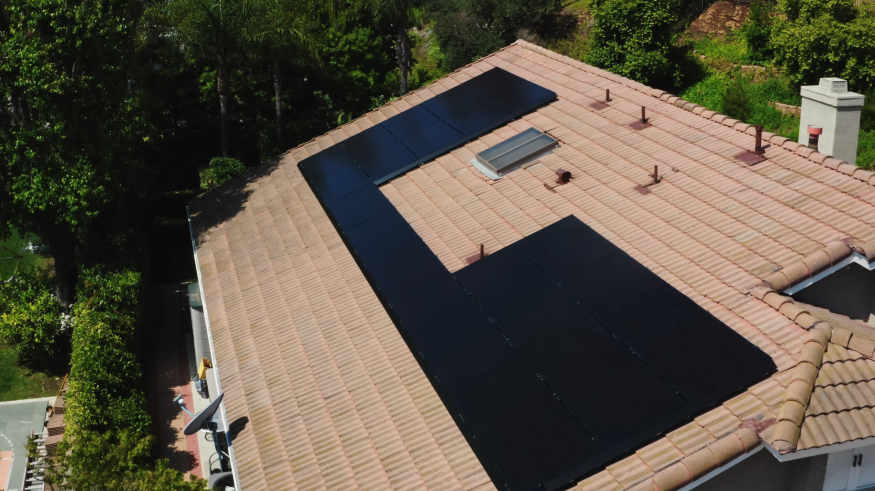
Tesla Solar Roof and Powerwall home battery systems combine solar generation and energy storage to create reliable home power, even during outages. A typical 10kW roof paired with a 13.5kWh Powerwall captures and stores enough energy to offset average daily consumption of 30kWh, with multiple units scaling for larger homes or EV charging. Cold or cloudy conditions reduce output, but smart management ensures essentials remain powered, making Tesla systems viable for both grid-tied and off grid solar home setups.
Across the U.S., sunny regions produce enough to exceed annual needs through net metering, while Powerwall 3 stacks provide backup for 2–3 days during outages. Integrated inverters, MPPT optimization, and durable photovoltaic tiles maximize solar-to-grid efficiency, while homeowners can monitor production in real time. The combination of generation, storage, and smart software creates an ecosystem where solar energy storage Tesla ensures energy independence while reducing reliance on traditional electricity grids.
Tesla Solar Roof Energy Generation Capacity
Tesla Solar Roof integrates photovoltaic glass tiles rated between 71W and 95W per tile, covering 1,000+ sqft roofs to generate 10–15kW peak capacity. Solar energy storage Tesla allows pairing with Powerwall home battery units for seamless energy capture and distribution, producing 12,000–18,000kWh annually in high-sun locations, enough to power typical homes and even offset electric vehicle charging needs.
- South-facing orientation maximizes roughly 1,800 annual sun hours, while adjustable tilt angles and roof zoning optimize energy collection throughout the day.
- Shading losses are mitigated via intelligent zone optimization, which isolates affected sections to maintain consistent output from the rest of the roof.
- Durable tempered glass tiles resist hail, wind, and UV degradation, ensuring the roof maintains performance for 50+ years with minimal maintenance.
- Net metering compatibility allows excess energy to be fed back into the grid, offsetting up to 120% of annual usage in sunny regions like California, while northern states such as Seattle achieve roughly 70% coverage.
- Integrated inverters manage 20kW DC input across six MPPT channels, converting solar power efficiently to AC for household use while minimizing energy loss.
- Scalability allows homeowners to expand capacity with additional tiles, supporting larger energy demands or future home expansions.
This combination of generation, durability, and intelligent energy management makes Tesla Solar Roof a leading solution for both grid-tied and partially off-grid solar homes.
Tesla Powerwall Home Battery Storage and Output
Tesla Powerwall home battery stores 13.5kWh of usable energy per unit and delivers 11.5kW continuous output, supporting HVAC systems, appliances, and EV chargers without tripping standard circuits. For larger households, multiple units can stack to create 27–54kWh of usable energy, maintaining power during multi-day outages and providing backup for critical systems.
- Round-trip efficiency reaches 89%, ensuring minimal energy loss during storage and discharge.
- Wide operating temperature range from -4°F to 122°F keeps batteries functional in extreme climates.
- Ten-year warranty covers unlimited charge cycles, offering confidence in long-term performance.
- Load coverage: Two Powerwalls can supply up to 80% of typical home energy needs, while three units handle EV charging, pool pumps, and higher-demand households reliably.
- Seamless integration with Tesla Solar Roof or other solar arrays allows automated load balancing, prioritizing essential circuits during low storage conditions.
- Scalable storage: Additional Powerwalls can be added easily to meet increased energy consumption or extended off-grid scenarios.
With this combination of high output, durability, and intelligent management, the Tesla Powerwall home battery ensures that solar energy storage Tesla systems remain reliable year-round, even during storms, cloudy periods, or power outages.
Off Grid Solar Home Feasibility with Tesla Systems
Off grid solar home setups require oversized arrays and multiple Powerwalls to sustain power during cloudy days or winter months. For a 30kWh daily home, four Powerwalls paired with a full Tesla Solar Roof can maintain electricity for 4–5 consecutive cloudy days without external supply.
- Auto load management prioritizes essential circuits during deep discharge.
- Initial installation costs may exceed $100,000, compared to $30,000 for typical grid-tied systems.
- Hybrid generators can complement extended cloudy periods.
- Remote cabins and small homes achieve near-complete energy independence; suburban homes generally benefit from hybrid configurations.
Real-World Performance and Limitations
Daily production varies depending on location: Phoenix rooftops can generate up to 50kWh from a 12kW roof, fully offsetting consumption, whereas Boston's 25kWh output covers about 80% of needs. Tesla Solar Roof combined with Powerwall home battery ensures seamless transfers under 10ms during outages using the Storm Watch precharge function.
- Snow or heavy shading reduces winter output by up to 50%.
- High-demand households may require additional Powerwalls for full coverage.
- ROI typically ranges from 7–10 years when incentives are applied.
- Maintenance is minimal but periodic cleaning and inspections optimize long-term efficiency.
Power Your Home with Tesla Solar Roof and Powerwall
Combining Tesla Solar Roof, Tesla Powerwall home battery, and solar energy storage Tesla systems offers reliable, scalable, and efficient home energy. Both grid-tied and off grid solar home setups can maintain essential power during outages or extended cloudy stretches, while net metering and smart energy management maximize returns and environmental benefits. Proper sizing, location, and multi-unit stacking ensure homes remain powered year-round, highlighting Tesla's leading edge in residential solar solutions.
Frequently Asked Questions
1. Can a Tesla Solar Roof fully power a typical U.S. home?
Yes, a 10–12kW Solar Roof with one or two Powerwalls can cover 80–100% of average daily usage. Sunny regions may exceed annual needs, while northern climates might need additional battery storage. Energy efficiency improvements in the home enhance coverage. Peak winter days may require supplemental energy from the grid or additional Powerwalls.
2. How many Powerwalls are needed for off-grid living?
Most off grid solar home setups require 3–4 Powerwalls to sustain energy through 4–5 cloudy days. System sizing depends on daily usage and solar array capacity. Powerwalls automatically prioritize essential circuits during low charge. Oversized arrays ensure reliable winter performance and EV charging needs.
3. How does Tesla Powerwall manage high-demand appliances?
Powerwall 3 provides 11.5kW continuous output, sufficient for HVAC systems, EV chargers, and home appliances. Multiple units can stack to 40–54kWh for larger homes. Intelligent load management optimizes energy distribution during peak usage. Units maintain stability without tripping standard breakers.
4. What maintenance is required for Tesla Solar Roof and Powerwall?
Minimal maintenance is needed; periodic cleaning of solar tiles ensures maximum efficiency. Inspect wiring and inverters annually. Powerwalls are virtually maintenance-free with battery management software. Monitoring apps provide alerts and performance reports for proactive care.
© 2026 ScienceTimes.com All rights reserved. Do not reproduce without permission. The window to the world of Science Times.


