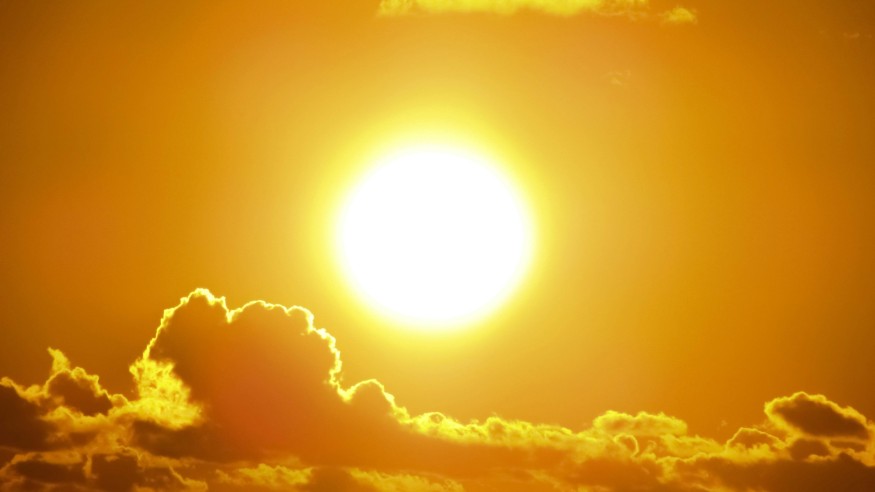
Global heatwaves are intensifying across the planet, driven by rising greenhouse gas concentrations that amplify climate change impacts and drive extreme temperatures to unprecedented levels. These prolonged events now threaten human health, disrupt agriculture, and challenge infrastructure, affecting regions from densely populated cities to remote rural areas.
Causes of Prolonged Global Heatwaves
Global heatwaves arise when persistent high-pressure systems trap warm air over large areas, but climate change impacts have transformed these events by elevating baseline atmospheric temperatures. Human activities, primarily the combustion of fossil fuels, have increased average global temperatures by more than 1.1°C since pre-industrial times, creating conditions where heat-trapping gases like carbon dioxide and methane prolong stagnant weather patterns. Jet stream weakening, linked to faster Arctic warming, slows the movement of air masses, turning short hot spells into extended periods that last days or even weeks longer than in the past.
Soil moisture plays a critical role in this escalation. Drier conditions from shifting precipitation patterns reduce evaporative cooling, as parched ground releases stored heat back into the air, forming feedback loops that intensify extreme temperatures. Oceans contribute significantly too; warmer surface waters supply more moisture to the atmosphere, heightening humidity during land-based heat events and making the air feel even hotter. In mid-latitude zones, these dynamics result in heatwave durations accelerating two to three times faster than overall global warming trends, with some episodes now far more probable due to anthropogenic influences.
Urban environments exacerbate the problem through the urban heat island effect, where impervious surfaces like concrete and asphalt absorb sunlight during the day and radiate it at night, pushing local temperatures 5-10°C higher than surrounding rural areas. Reduced vegetation cover diminishes natural shading and transpiration, while altered wind flows from building layouts trap heat further. Cleaner air policies, by cutting reflective particles, allow more solar energy to reach the surface, inadvertently worsening peaks in some locations. Collectively, climate change impacts have multiplied the likelihood of severe global heatwaves by factors of 10 to 100 times in vulnerable regions, shifting weather norms toward greater persistence and intensity.
Dangers Posed by Extreme Temperatures
Extreme temperatures in global heatwaves push human physiology to its limits, particularly when conditions exceed wet-bulb temperatures of 35°C, where sweat evaporation—the body's primary cooling mechanism—ceases to function effectively. Core body temperatures rise rapidly, placing immense strain on the cardiovascular system, which must work 30-50% harder per degree of added heat to maintain blood flow. Kidneys suffer from chronic dehydration, impairing filtration and leading to acute failure, while respiratory distress worsens as hot, humid air thickens mucus in airways.
Each additional day of extreme heat correlates with a 0.4-1% increase in mortality rates, disproportionately affecting older adults, young children, and those engaged in physical labor outdoors. Nighttime temperatures, which historically provided relief, now remain elevated by 3-5°C in many areas due to stored urban heat, preventing physiological recovery and compounding cumulative stress. Beyond physical tolls, psychological effects emerge, including heightened anxiety, irritability, and elevated suicide risks during peak periods, with studies noting 10-20% upticks.
Societal disruptions ripple outward. Electricity demand surges for cooling, overwhelming grids and causing blackouts that disable life-support systems in medical facilities and homes. Crop yields plummet—major staples like grains can lose 10% productivity per day above 30°C—triggering supply shortages and price volatility on global markets. Ecosystems face collapse thresholds: prolonged droughts desiccate forests, priming them for wildfires that release vast carbon stores and perpetuate warming cycles. Biodiversity declines as species struggle to migrate or adapt, with sensitive habitats like tropical forests nearing irreversible tipping points.
Economic consequences accumulate rapidly, with projections estimating trillions in annual global losses by the 2030s from reduced workforce productivity, infrastructure damage, and emergency responses. Regions in the tropics and subtropics, often contributing least to emissions, endure the heaviest burdens due to limited adaptive capacity, underscoring inequities baked into climate change impacts.
Strategies for Adaptation and Mitigation
Effective adaptation to global heatwaves begins with early warning systems that forecast extreme temperatures days in advance, enabling timed interventions like suspending outdoor activities or opening public refuges. These alerts, calibrated to local norms, have demonstrated 20-30% reductions in heat-related deaths by prioritizing at-risk populations. Urban design innovations, such as high-albedo surfaces that reflect sunlight and vegetated roofs that provide insulation and evapotranspiration, can lower peak temperatures by 2-4°C in built environments.
Community-level measures include establishing cooling stations in accessible public buildings and promoting hydration campaigns with electrolyte-enhanced fluids over plain water to counter sweat losses. Adjusting work and school schedules to avoid midday heat protects vulnerable sectors, while personal practices like wearing breathable fabrics and seeking shade become essential daily habits. Technological tools, including real-time heat index monitoring via mobile applications, empower individuals to anticipate dangers.
On the mitigation front, transitioning to low-carbon energy sources addresses root climate change impacts by curbing greenhouse gas accumulation. Solar and wind power, now cost-competitive in most markets, support stable grids capable of handling peak demands without fossil fuel spikes. Policy frameworks like carbon pricing incentivize efficiency, while large-scale reforestation efforts sequester carbon and create localized cooling through canopy cover. International cooperation targets limiting warming to 1.5°C, a threshold where heatwave frequency and severity halve compared to higher scenarios.
Resilient infrastructure—such as underground utilities resistant to thermal expansion and flood barriers for compound events—builds long-term durability. Equity-focused funding directs resources to high-vulnerability areas for heat-tolerant agriculture and coastal protections. Satellite monitoring tracks progress, validating approaches like widespread tree planting that moderates microclimates and bolsters biodiversity.
Path Forward for Managing Extreme Heat Risks
Global heatwaves highlight the pressing need to monitor climate change impacts and extreme temperatures through evidence-based strategies. Proactive investments in warnings, sustainable energy, and resilient designs today equip societies to withstand escalating challenges, with combined adaptation and emission controls offering the most robust protection.
Frequently Asked Questions
1. What causes global heatwaves to become longer?
High-pressure systems trap hot air, but climate change extends them by warming the atmosphere and slowing jet streams through Arctic amplification.
2. Why are heatwaves more dangerous now?
Prolonged extreme temperatures overwhelm the body, preventing nighttime recovery and raising mortality risks by 0.4-1% per extra day, especially in cities.
3. How does climate change link to extreme temperatures?
Greenhouse gases raise baseline heat, making rare events commonplace; events once improbable are now 10-100 times more likely.
4. What defines an extreme heat event?
Temperatures far above local norms, often with high humidity; wet-bulb thresholds over 35°C become lethal during extended periods.
5. Which areas face worsening global heatwaves?
Mid-latitudes, urban centers, and tropics see fastest rises, with urban heat islands amplifying effects by 5-10°C.
6. Can we adapt to longer heatwaves?
Yes, through early warnings, cooling centers, reflective surfaces, and schedule shifts, reducing deaths by 20-30%.
7. Will cutting emissions shorten heatwaves?
Limiting warming to 1.5°C could halve intensity and frequency, per projections on climate change impacts.
Originally published on natureworldnews.com


