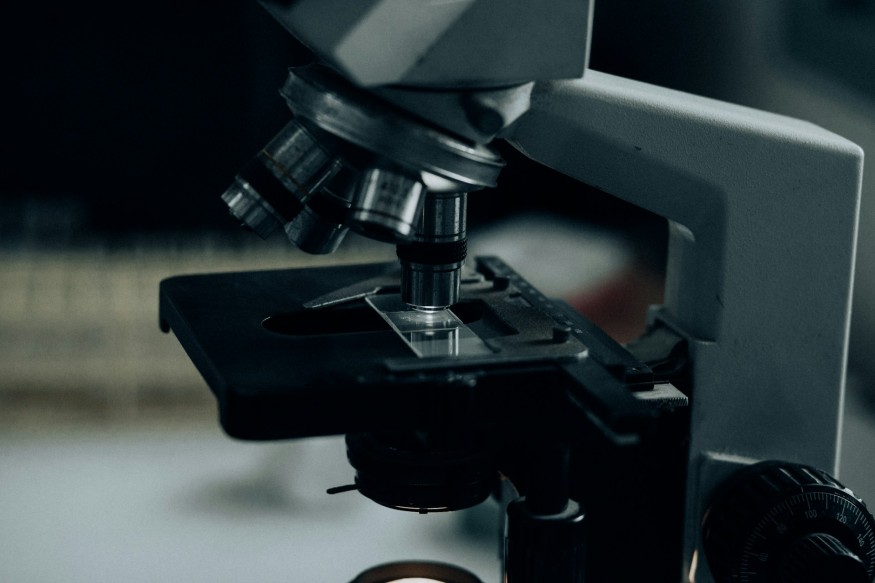
Microscopes are essential instruments used in research, education, and healthcare settings. However, the accuracy and reliability of these tools rest on the standard at which they are maintained. Proper supplies for cleaning, storage, and handling will greatly extend the life of these precision instruments. In this post, discover how the proper products and practices can shield microscopes and allow them to serve you reliably year after year.
Importance of Cleanliness
Microscope lenses and mechanical parts can attract dirt and debris pretty quickly. Even small particles can impact the clarity of the images or disturb the functioning of the moving mechanisms. However, gentle, non-lint wipes and soft brushes can help remove contaminants without scratching sensitive surfaces. Optical equipment cleaning solutions do not leave residues or harmful chemicals. Regular and proper cleaning protects these microscope supplies from fogging and gradual abrasion.
Role of Storage Solutions
The condition of a microscope is greatly affected by how and where it is stored. When not in use, dust covers protect equipment from dust in the atmosphere. Such padded cases or cabinets keep the device safe from humidity and accidental knocks. Keeping microscopes in a stable, non-humid temperature environment ensures there is little to no chance for moisture damage and corrosion. Furthermore, the appropriate storage supplies also prevent anyone from handling it unsafely, which could lead to its misalignment or breakage.
Value of Quality Cleaning Products
Not every cleaning agent and material is appropriate to use with microscopes. Household glass, window cleaning agents, or the use of rough cloth can scratch or leave films on the optics. Using capillary wipes, solutions, and swabs made for cleaning delicate lenses can help you protect your microscopes. Another strategy involves investing in trusted brands and routinely replacing supplies that are beyond their reusability threshold, allowing for steady maintenance over time.
Handling Tools and Accessories
Several parts of the microscope will need readjustment or replacement. Use precision tools made specifically for optical devices that are not prone to slipping or over-tightening. The proper motion and adjustments can be made without the risk of damaging equipment by using reliable screwdrivers, tweezers, and lens paper. These fittings also assist in bulb and stage accessories installation or removal. With proper equipment, users can prevent fragile components from being broken during regular maintenance.
Impact of Proper Training
Even the finest supplies need expert management. Users need to be trained in safe cleaning, storage, and handling practices to reduce the chance of accidents. Step-by-step instructions, or a quick workshop, can help with establishing good habits among staff and students. If everyone follows best practices, the life of microscopes can be increased. Regular care regimens also make it easier to spot problems and address them before they escalate.
Benefits of Regular Maintenance Schedules
A timeline for performing maintenance provides a framework for how often microscopes should be tended to. Basic checklists can serve as reminders for caregivers to clean, lubricate, and inspect critical parts. With the right products, scheduled maintenance allows the machine to function under optimum conditions. Frequent monitoring can uncover initial signs of malfunction or wear and tear, enabling timely interventions.
Preservation of Optical Performance
Using the right supplies to clean lenses ensures there are no scratches, keeping the surfaces sparkling and clear for optimum light transmission. Changing filters and cleaning mirrors and bulbs are always advantageous to maintain bright and crystal clear color breaking. Purchasing appropriate products is one way to maintain the sharpness of images viewed through the microscope, so that it can produce accurate results.
Conclusion
Simply dusting microscopes now and then or storing them in a cabinet with other equipment can cause them harm. Cleaning products, storage solutions, and handling tools go a long way in extending their lifespans. If properly maintained through routine care and appropriate supplies, these valuable instruments can continue to assist researchers, educators, and health care professionals for a long time.
© 2026 ScienceTimes.com All rights reserved. Do not reproduce without permission. The window to the world of Science Times.


