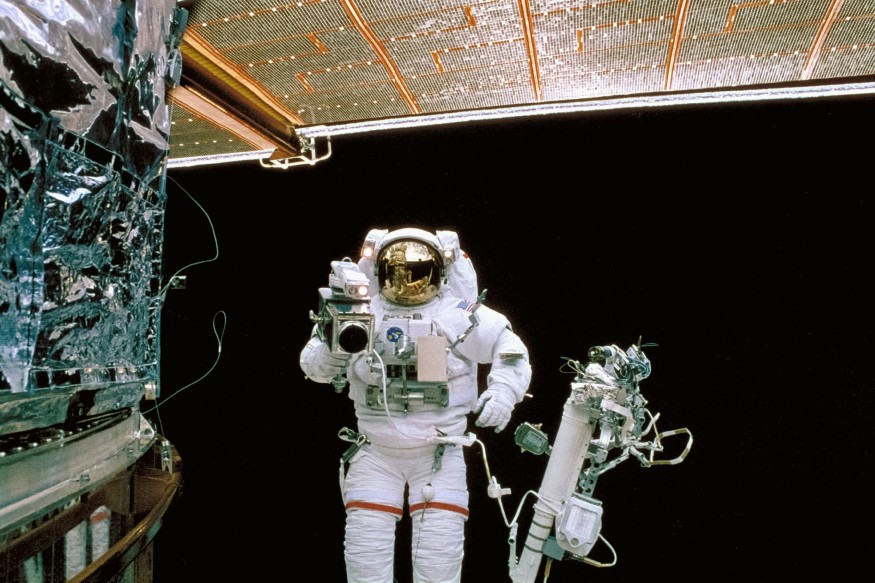
Astronaut health in space is heavily influenced by microgravity, where normal body systems behave differently than on Earth. One of the most common space health problems is constipation in space, caused by slowed digestion and reduced movement in the intestines. Without gravity to assist food movement, the gastrointestinal system becomes less efficient, leading to discomfort and potential mission complications.
NASA Artemis II mission planning takes these physiological challenges seriously, especially for long-duration lunar missions. Space health problems like zero-gravity digestion changes, fluid shifts toward the upper body, and reduced peristalsis require careful medical preparation. To manage astronaut health in space, NASA includes targeted medications and dietary strategies to keep crew members healthy, comfortable, and mission-ready.
Gastrointestinal Stability Strategies for Astronaut Health in Space
Astronaut health in space depends on a combination of medical, dietary, and mechanical systems working together to counteract microgravity effects. Constipation in space remains one of the most predictable issues, but it can be managed through structured interventions. Space health problems are not only treated but anticipated in mission design to prevent disruption during critical operations.
NASA Artemis II mission planning integrates pharmacology like bisacodyl, controlled nutrition, and operational scheduling to maintain digestive balance. These strategies ensure astronauts remain physically stable during lunar travel. By addressing microgravity peristalsis failure and supporting zero-gravity digestion, mission planners create a reliable framework for human space exploration.
Astronaut Health in Space: Microgravity Digestion Physiology
Astronaut health in space is significantly affected by how the digestive system responds to microgravity. On Earth, gravity helps move food through the stomach and intestines in a steady downward flow. In space, this support disappears, causing slower movement of food and waste through the gastrointestinal tract. This change often leads to constipation in space, where bowel activity becomes less frequent and less efficient, creating discomfort and potential mission complications.
Microgravity also reduces the strength of peristalsis, the wave-like muscle contractions that move food along the digestive system. Without gravity assisting this process, gastric emptying slows and intestinal transit time increases. These changes contribute to space health problems such as bloating, irregular digestion patterns, and reduced nutrient absorption. Over time, these effects can influence energy levels and overall physiological stability during long-duration missions.
NASA Artemis II mission planning accounts for these physiological shifts by preparing astronauts for altered digestive performance before launch. Controlled meal timing, hydration strategies, and onboard medical support are used to stabilize digestion in orbit. To further support bowel regulation, medications like bisacodyl enteric-coated tablets are included in space medical kits, helping stimulate intestinal activity once they reach the colon and counteracting slowed digestion caused by microgravity.
Constipation in Space: Peristalsis Failure Mechanisms
Constipation in space occurs due to several overlapping physiological changes rather than a single cause. One of the primary factors is the shift of bodily fluids toward the upper body in microgravity, which reduces blood flow in the lower abdomen. This weakened circulation slows intestinal movement and decreases digestive efficiency, making space health problems more noticeable within just a few days of being in orbit.
Astronaut health in space is also affected by disrupted nervous system signaling, which plays a key role in coordinating gut contractions. The autonomic nervous system becomes less effective in regulating the gastrocolic reflex, meaning the natural trigger for bowel movements after eating is significantly weakened. During the NASA Artemis II mission, astronauts use structured meal schedules to help maintain digestive rhythm and consistency, even though gravity is absent. To further support bowel function, bisacodyl is used as a stimulant laxative, activating intestinal nerves and smooth muscles to restore movement in the colon and assist waste elimination in microgravity.
Space Health Problems: NASA Artemis II Mission Medical Kit Design
Space health problems are carefully anticipated long before launch, especially for deep-space missions like NASA Artemis II. These missions require medical systems that can handle everything from motion sickness to digestive issues such as constipation in space under microgravity conditions.
- Mission medical planning: Space health problems are addressed through compact, mission-ready medical kits designed for long-duration travel beyond low Earth orbit. These kits ensure astronauts can manage common physiological issues without immediate Earth support.
- Astronaut health in space medication needs: Astronaut health in space requires drugs that remain stable, fast-acting, and easy to use in microgravity conditions. Laxatives such as bisacodyl are included to manage gastrointestinal discomfort and support bowel function without external assistance.
- Dietary support systems: Diet plays a major role in reducing space health problems by stabilizing digestion. High-fiber meals and reduced sodium intake help regulate fluid balance and improve bowel consistency during missions.
- Onboard waste management technology: NASA Artemis II mission spacecraft systems include advanced waste management units designed for zero-gravity conditions. These systems ensure hygiene, efficiency, and comfort while supporting overall astronaut health in space alongside diet and medication.
Frequently Asked Questions
1. Why does constipation in space happen to astronauts?
Constipation in space occurs because microgravity slows down the movement of food through the digestive system. Without gravity, intestinal contractions become weaker and less efficient. This leads to slower waste elimination and discomfort. It is one of the most common space health problems.
2. How does astronaut health in space differ from Earth conditions?
Astronaut health in space is affected by microgravity, radiation exposure, and fluid shifts in the body. These factors change how the heart, muscles, and digestive system function. The gastrointestinal system in particular slows down significantly. This requires specialized medical planning.
3. Why does NASA include laxatives on the Artemis II mission?
NASA includes laxatives to help manage constipation in space and maintain digestive regularity. Medications like bisacodyl support bowel movements when natural peristalsis is weakened. They are part of a broader system for managing space health problems. This ensures astronaut comfort and mission continuity.
4. Can diet alone solve space health problems like constipation?
Diet helps but is not always enough to fully prevent constipation in space. High-fiber meals and hydration support digestion but cannot fully replace gravity's role. That is why medications are also included in mission kits. A combined approach is necessary for astronaut health in space.
© 2026 ScienceTimes.com All rights reserved. Do not reproduce without permission. The window to the world of Science Times.


