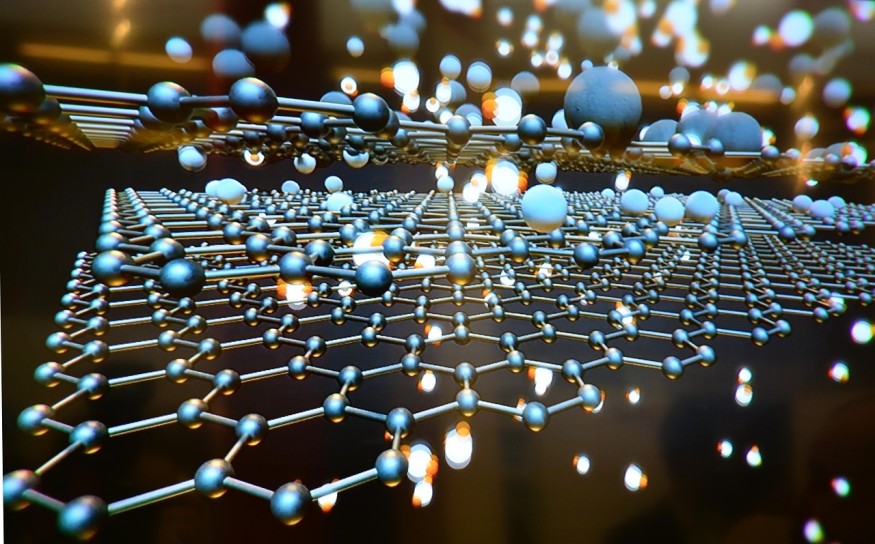
Modern medicine has long searched for a way to attack cancer cells without damaging healthy tissues. Chemotherapy and radiation, while effective at killing cancer, often come with severe side effects. Advances in nanotechnology drug delivery may finally offer a path toward more precise, less toxic therapies.
Scientists are designing nanoscale systems that deliver treatments directly to cancer cells, enabling what many experts describe as the next frontier of targeted cancer treatment.
What Is Nanotechnology in Drug Delivery?
Nanotechnology drug delivery applies materials and devices measured in nanometers, one-billionth of a meter, to transport drugs within the body.
By manipulating matter at this minute scale, researchers can engineer particles that carry therapeutic agents, protect them from degradation, and release them at the right time and place.
These tiny systems often rely on nanoparticles such as liposomes, polymeric nanocarriers, dendrimers, or gold nanoparticles. Each type offers unique properties that can be adjusted to enhance stability, control drug release rates, or modify surface behavior.
Once injected or administered, the nanoparticles travel through the bloodstream until they reach the tumor site, where they deposit their therapeutic cargo directly into malignant cells. This approach increases drug effectiveness and minimizes exposure to healthy tissue.
The concept has already proven successful in early applications. Liposome-based drugs such as Doxil, which encapsulates the chemotherapy agent doxorubicin, demonstrate how nanomedicine can reduce toxic side effects while maintaining potency.
How Nanotechnology Targets Cancer Cells
In targeted cancer treatment, the key lies in distinguishing diseased cells from healthy ones. Nanotechnology offers several methods for achieving this precision.
One strategy is passive targeting, which takes advantage of how tumors grow. Cancerous tissues often have leaky blood vessels and poor lymphatic drainage, allowing nanoparticles to slip through and remain concentrated at the tumor site, a phenomenon called the enhanced permeability and retention (EPR) effect.
Alternatively, active targeting employs molecular recognition. Nanoparticles can be coated with ligands, peptides, or antibodies that bind specifically to receptors overexpressed on cancer cells. Once attached, the nanoparticles release their drugs directly inside those cells, maximizing efficiency and reducing harm to nearby tissues.
Researchers also use smart nanomaterials that respond to environmental triggers such as pH, temperature, or enzyme activity.
For example, a nanoparticle may stay inert during circulation but release its payload only when it encounters the acidic interior of a tumor. This level of precision marks a significant step forward from conventional chemotherapy methods.
Advantages of Nanotechnology Drug Delivery
The transition toward nanoscale medicine offers several clear advantages for oncology:
- Enhanced targeting capability: Drugs are concentrated where they are needed most, improving treatment efficacy.
- Reduced toxicity: Because fewer healthy cells are exposed, patients experience fewer side effects such as hair loss, nausea, and immune suppression.
- Controlled drug release: Tunable nanoparticle designs can ensure sustained release over time, decreasing the frequency of administration.
- Improved imaging and diagnostics: Some nanosystems integrate therapeutic and imaging functions ("theranostics"), helping physicians monitor treatment progress in real time.
Collectively, these advantages represent a major step toward precision medicine, delivering the right drug at the right dose to the right target, according to the World Health Organization.
Types of Nanoparticles Used in Cancer Therapy
Several nanomaterials serve as vehicles for drug delivery in cancer treatment. Each offers distinct structural and functional benefits:
- Liposomes – Spherical vesicles made of lipid bilayers that can encapsulate both water-soluble and fat-soluble drugs.
- Polymeric nanoparticles – Plastic-like particles made from biodegradable polymers that release medication in a controlled fashion.
- Gold nanoparticles – Known for stability and ease of functionalization, useful for imaging and combination therapies.
- Carbon nanotubes and graphene – Cylindrical or sheet-like structures that can penetrate cell membranes efficiently.
- Nanomicelles – Amphiphilic molecules that self-assemble into tiny spheres and carry hydrophobic drugs.
Some of these nanoparticles are already used clinically, while others remain in experimental phases. Regardless of material, their shared goal is to improve the precision and effectiveness of cancer therapy.
Recent Breakthroughs in Nanotechnology for Cancer
Recent progress in nanotechnology drug delivery continues to raise optimism for cancer care. In 2025 and 2026, several research teams announced novel nanoplatforms designed to improve tumor targeting and reduce adverse reactions.
One groundbreaking development involves stealth nanoparticles that change their surface charge once they reach the tumor. These adaptive systems circulate harmlessly in the bloodstream but become active in the cancer environment, facilitating deeper tissue penetration.
Other innovations focus on combining nanotechnology with immunotherapy. By packaging immune-activating molecules inside nanoparticles, scientists aim to stimulate the body's own defense system while directly attacking tumor cells.
Researchers are also exploring RNA-based nanocarriers, which deliver genetic material to silence cancer-promoting genes or boost tumor-suppressing ones.
These approaches illustrate how rapidly the field is evolving. Many of these advanced nanoparticles are already entering clinical testing, signaling a shift from theoretical innovation to practical application, as per the Centers for Disease Control and Prevention.
Challenges and Limitations of Nanomedicine
Despite its promise, nanotechnology drug delivery still faces practical obstacles before it can become mainstream.
Safety and toxicity remain top concerns. Nanoparticles are foreign materials, and their long-term effects in human tissues are not fully understood. Researchers must evaluate how they interact with the immune system and how they are cleared from the body.
Another challenge is manufacturing consistency. Producing nanoparticles at large scale while maintaining uniformity is complex and costly. Regulatory agencies such as the FDA require rigorous testing to ensure each batch meets safety standards.
Economic and ethical considerations also arise. Developing nanomedicines can be expensive, limiting accessibility in low-resource settings. Ethical discussions continue over testing new materials in humans and managing long-term ecological impacts.
Nevertheless, these challenges are spurring innovation rather than deterring it, encouraging multidisciplinary collaboration among chemists, biologists, engineers, and clinicians.
The Future of Targeted Cancer Treatment
The intersection of nanotechnology and oncology is laying the groundwork for the future of targeted cancer treatment.
Upcoming trends suggest an integration of nanotechnology with other cutting-edge technologies. Artificial intelligence (AI) can analyze vast biomedical data to design nanoparticles optimized for specific patients and cancer types.
Biosensors and smart nanodevices may allow continuous monitoring of drug release, giving doctors real-time insight into treatment progress.
Personalized medicine will likely become the norm. Instead of one-size-fits-all chemotherapy, physicians could eventually prescribe custom-built nanoparticles carrying exact doses tailored to a patient's genetic profile and tumor structure.
The combination of diagnostic imaging, targeted therapy, and data-driven adjustment may finally make cancer treatment as precise as possible.
Frequently Asked Questions
1. Can nanotechnology be used to detect cancer before treatment begins?
Yes. Nanoparticles can be engineered to bind to cancer biomarkers, allowing early detection through imaging scans or blood tests even before symptoms appear.
2. How long does it take for nanotechnology-based cancer treatments to reach the market?
It usually takes several years. Most nanomedicines go through intensive preclinical testing and multiple phases of human trials before receiving regulatory approval.
3. Are nanotechnology drug delivery systems effective against all types of cancer?
Not yet. Effectiveness depends on tumor biology, location, and molecular markers. Research is ongoing to adapt nanoparticles for different cancer types.
4. Could nanotechnology make chemotherapy obsolete in the future?
It's unlikely to replace chemotherapy entirely. Instead, nanotechnology is expected to make chemotherapy safer and more effective by improving how drugs are delivered to tumors.
© 2026 ScienceTimes.com All rights reserved. Do not reproduce without permission. The window to the world of Science Times.


