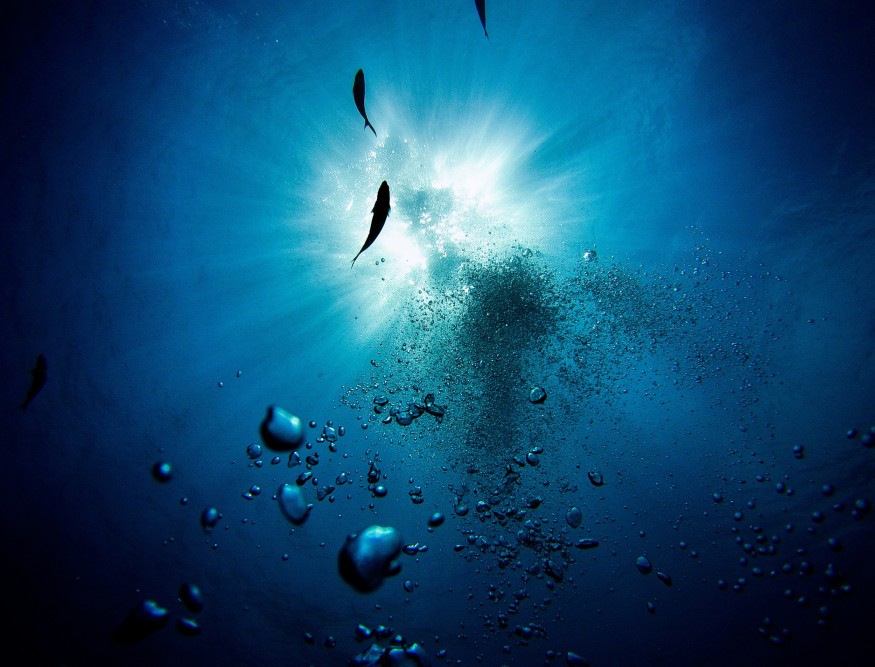
The deep sea creatures revealed in 2026 are reshaping how we understand life beneath the ocean's surface. Scientists exploring extreme depths—from twilight zones to hadal trenches—have uncovered dozens of previously unknown species thriving in darkness and crushing pressure. These discoveries highlight how little we truly know about Earth's largest habitat.
Recent ocean exploration discoveries show that marine ecosystems remain far more complex than expected. With advanced robotics and global expeditions expanding access to remote regions, marine biodiversity continues to grow with every mission. What lies beneath is not just strange—it's essential to understanding the future of life on this planet.
Deep Sea Creatures: New Species Discoveries
The latest wave of deep sea creatures discoveries includes over 20 newly identified species found in twilight and hadal zones across the Pacific and South Atlantic. These environments, often located hundreds to thousands of meters below the surface, host organisms uniquely adapted to extreme pressure, low temperatures, and total darkness. Each expedition adds new pieces to a vast and still incomplete puzzle.
- New Pacific twilight zone species: Researchers documented more than 20 species, including fish and invertebrates living at depths of around 330 feet and beyond, many never seen before in those regions.
- Unique fish and invertebrates identified: Bright orange cardinalfish and unusual sea slugs with yellow spotted patterns and branching appendages show how evolution adapts to deep-sea conditions.
- Suspected new canyon species: Expeditions in the Mar del Plata Canyon revealed around 40 potential new organisms, including red soft corals and star-shaped marine life forms.
- Hadal zone species expansion: Discoveries in ultra-deep trenches suggest entire ecosystems exist beyond previously known biological limits, pushing the boundaries of marine science.
These findings confirm that marine biodiversity in the deep ocean is far richer than expected, with countless species still waiting to be documented.
Ocean Exploration Discoveries: Technologies Driving Research
Modern ocean exploration discoveries rely on advanced technologies designed to function in extreme underwater conditions. From robotic vehicles to passive monitoring systems, these tools are opening access to regions once considered unreachable. As a result, scientists can now observe and study ecosystems with greater precision while minimizing environmental disturbance.
Autonomous Reef Monitoring Structures (ARMS) play a key role by collecting organisms over time and capturing thousands of specimens for analysis. Remotely operated vehicles (ROVs), such as SuBastian, use high-resolution cameras and robotic arms to document and sample deep sea creatures in real time. Exploration of methane-rich cold seeps has revealed ecosystems that rely on chemosynthesis, including tube worms and deep-sea clams. Additionally, hadal zone submersibles can reach depths of up to 10 kilometers, uncovering life in extreme pressure conditions, while environmental sensors track changes in temperature, salinity, and chemistry to better understand shifts in marine biodiversity.
Marine Biodiversity: Threats and Conservation Efforts
While marine biodiversity continues to expand through discovery, it also faces increasing threats from human activity. Deep-sea ecosystems are fragile and slow to recover, making them particularly vulnerable to disruption. Protecting these environments is becoming just as important as exploring them, especially as industrial interest in deep-sea resources grows.
Deep-sea mining poses a major risk, as extracting rare minerals can damage delicate habitats and reduce species diversity. Whale fall ecosystems, formed when whale remains sink to the ocean floor, support entire communities of organisms that rely on these rare nutrient sources. Cold seep ecosystems are also highly sensitive, and disturbances from drilling or mining could cause long-term damage. Global initiatives like Ocean Census aim to catalog deep sea creatures more efficiently, creating baseline data for conservation, while emphasizing that damage to these habitats can take decades or even centuries to recover.
Expedition Impacts Future
The surge in deep sea creatures discoveries is changing how scientists view Earth's ecosystems. The ocean represents over 98% of the planet's habitable space, yet much of it remains unexplored. Each expedition not only uncovers new life but also reveals how interconnected these ecosystems are with global processes.
- Massive biodiversity potential: New findings suggest the deep ocean could rival or exceed land-based biodiversity in scale and complexity.
- Global research collaborations: Expeditions conducted by organizations like Schmidt Ocean expeditions are accelerating discoveries across multiple regions.
- Scientific infrastructure growth: Projects like underwater observatories and neutrino detectors expand both oceanographic and astrophysical research.
- Advancement in robotics and AI: Smarter, more autonomous systems are enabling longer and deeper missions with greater data accuracy.
- Future conservation planning: Data collected today will shape policies that protect deep-sea ecosystems for future generations.
As exploration continues, the deep ocean is becoming one of the most important frontiers in science.
Uncover Deep Sea Creatures Marine Mysteries
The story of deep sea creatures is far from complete. Every expedition reveals new life forms, new ecosystems, and new questions about how life survives in such extreme conditions. These discoveries are not isolated—they connect to climate systems, global biodiversity, and even the search for life beyond Earth.
Understanding ocean exploration discoveries helps us see the ocean not as a distant frontier, but as a vital part of our planet's balance. As technology improves and exploration expands, the mysteries of marine biodiversity will continue to unfold in ways that challenge what we thought was possible.
Frequently Asked Questions
1. What are deep sea creatures and where are they found?
Deep sea creatures are organisms that live in the ocean's darkest and deepest regions, often below 200 meters. These areas include the twilight zone, abyssal plains, and hadal trenches. They survive in extreme pressure, low temperatures, and complete darkness. Many have unique adaptations like bioluminescence or slow metabolisms.
2. Why are ocean exploration discoveries important?
Ocean exploration discoveries help scientists understand ecosystems that cover most of Earth's surface. They reveal new species, biological processes, and environmental interactions. This knowledge is essential for conservation and climate research. It also contributes to advancements in medicine and technology.
3. What technologies are used to study marine biodiversity?
Researchers use tools like remotely operated vehicles (ROVs), ARMS monitoring systems, and deep-sea submersibles. These technologies allow scientists to observe and collect samples without disturbing ecosystems. Sensors also track environmental changes in real time. Together, they provide a clearer picture of ocean life.
4. What threatens deep sea creatures and ecosystems?
Major threats include deep-sea mining, pollution, and climate change. These activities can damage fragile habitats that take decades to recover. Some ecosystems rely on very specific conditions, making them highly vulnerable. Conservation efforts are critical to protecting these environments.
© 2026 ScienceTimes.com All rights reserved. Do not reproduce without permission. The window to the world of Science Times.


