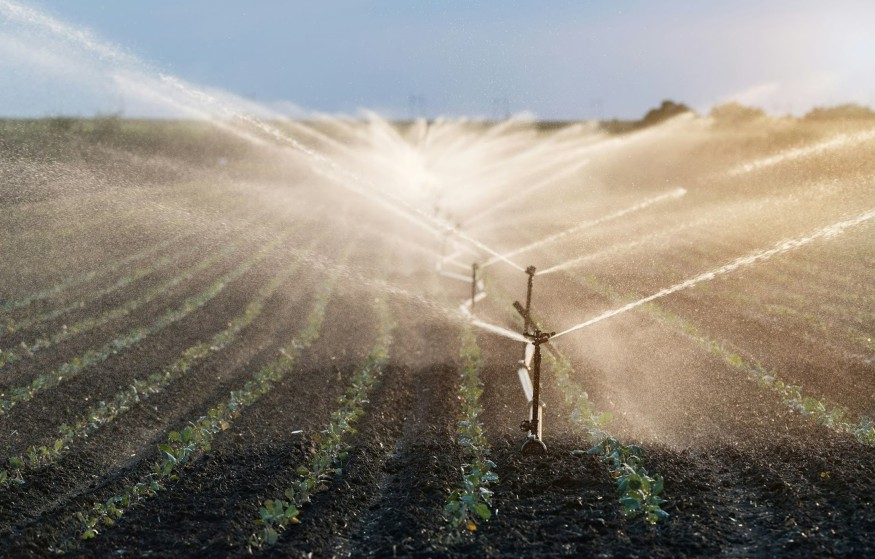
Smart irrigation systems are transforming how we approach landscape maintenance. At their core, these systems aim to provide the optimal amount of water to plants, but Stephen D Weymer says their real power lies in automation and adaptability. By leveraging sensors, weather data, and wireless connectivity, smart irrigation minimizes waste, lowers water bills, and helps maintain vibrant, healthy landscapes even during changing conditions.
What Are Smart Irrigation Systems?
Smart irrigation systems are automated watering solutions that use technology to manage how and when water is delivered. Their purpose is to provide the right amount of moisture at the right time, promoting healthy plant growth while minimizing waste. Unlike traditional timers or manual watering methods, these systems adapt their schedules based on current data and conditions.
In practice, a smart irrigation system might skip a watering cycle after heavy rainfall or adjust its output during a heatwave. Lawns, gardens, and commercial landscapes can all benefit from these systems, which are designed to support efficiency and environmental responsibility.
Core Features and Components
At the heart of a smart irrigation system lies the controller, which acts as the brain, automatically adjusting watering times based on various inputs. These controllers often connect to Wi-Fi, allowing users to monitor and manage their watering schedules from smartphones or tablets, whether they're at home or away.
Sensors play a critical role by measuring factors such as soil moisture and local weather conditions. A garden equipped with a moisture sensor can hold off on watering if the soil still contains enough humidity. Weather sensors provide additional context, ensuring the system responds to changing forecasts. By combining these elements, smart irrigation systems offer a level of precision and convenience that traditional setups can't match.
How Smart Irrigation Works
A smart irrigation system gathers data from sensors and weather feeds, then interprets it to make real-time decisions about when and how much to water. This process eliminates guesswork and manual adjustments, resulting in more efficient resource use.
Suppose a stretch of hot, dry days is followed by a sudden downpour—the system recognizes the shift and adapts instantly, preventing overwatering. Such responsiveness means the terrain stays healthy year-round, while property owners enjoy the peace of mind that comes from knowing their irrigation is hands-off and highly effective. Many systems even learn from past patterns, refining their approach as seasons change.
Benefits for Water Management and Plant Health
Homes and businesses that switch to smart irrigation often notice a significant reduction in water usage, which can translate to lower utility bills over time. The precise delivery means plants receive just what they need, supporting stronger roots and lusher growth. This targeted approach helps prevent issues such as root rot and wilting.
During drought conditions, these systems become even more valuable, automatically scaling back water delivery to conserve resources without sacrificing plant health. As a result, smart irrigation serves both environmental and economic objectives, making it a compelling choice.
Choosing the Right System for Your Needs
Selecting the best smart irrigation setup involves assessing factors like the size of your lawn or garden, your budget, and what types of plants you're caring for. Some systems prioritize weather data, while others put more emphasis on soil moisture readings, so matching features to your property's needs is essential. Ease of installation and compatibility with existing sprinkler setups can also influence your decision.
A small urban garden might benefit from a simple, app-controlled model, while larger estates or commercial areas could require more advanced options with multiple sensors and customizable zones. Taking time to compare options ensures the system will be both effective and user-friendly. Consulting with professional landscapers or reading user reviews can also help narrow down the best choice for your situation.
Setup, Maintenance, and Future Developments
Installing a smart irrigation system usually involves connecting the controller, placing sensors in key locations, and linking everything through a mobile app or web platform. Routine upkeep is relatively straightforward—checking sensors for accuracy and ensuring all components stay pristine extends the system's lifespan. Seasonal adjustments may also be needed to maintain efficiency.
Looking ahead, new advances are expected to make these systems even smarter, integrating with broader home automation and sustainability tools. Features like advanced weather prediction and machine learning are on the horizon, promising even greater efficiency and ease of use for property owners.
© 2026 ScienceTimes.com All rights reserved. Do not reproduce without permission. The window to the world of Science Times.


