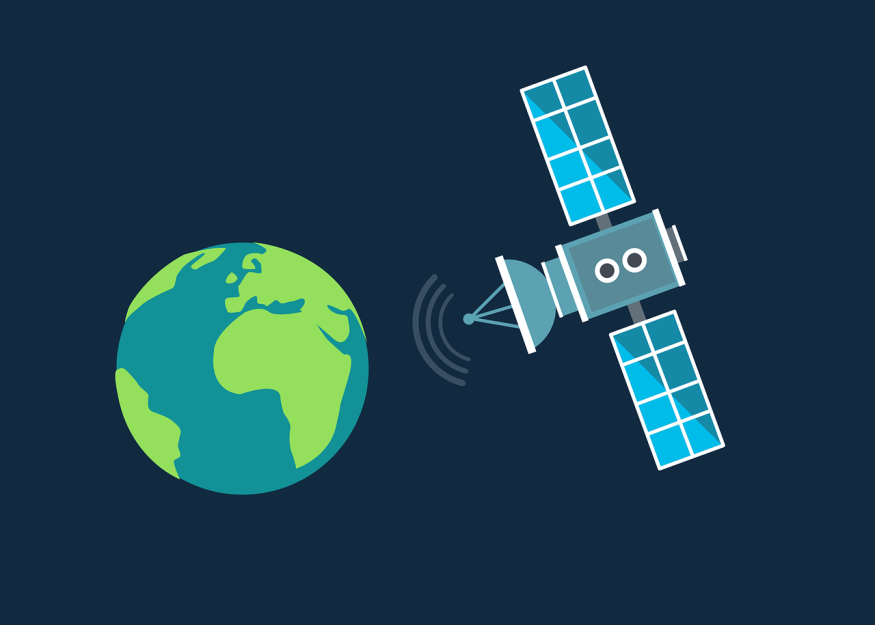
The question of how many satellites can orbit Earth before they change the sky and the space environment itself now sits at the center of a debate over Starlink, satellites, astronomy, satellite megaconstellations, and long‑term space debris risk.
Starlink has become the most visible example of a future where tens of thousands of satellites surround the planet, bringing global internet access while raising concerns about what might be lost.
How Many Satellites Are Currently Orbiting Earth?
The number of active satellites has surged in the past decade, with thousands now in orbit and many more inactive objects and fragments also crowding key regions. A growing share of these satellites belong to Starlink, which already accounts for a significant portion of all working spacecraft in low Earth orbit.
Satellite megaconstellations drive this shift. Instead of a few large satellites, companies deploy swarms of smaller craft that work together as a network. Starlink is the leading example, but other projects are following. This model changes how space is used and increases the density of satellites in popular orbits.
What Is Starlink and Why Does It Matter for Astronomy?
Starlink is SpaceX's global broadband project built on a dense web of satellites orbiting relatively close to Earth.
These satellites connect with ground stations and user terminals to deliver high‑speed internet, especially in areas lacking reliable infrastructure. To maintain coverage and low latency, Starlink relies on large numbers of satellites in low Earth orbit.
Several thousands of Starlink satellites are already in orbit, with approvals and proposals for many thousands more. As a result, a single project represents a large fraction of the global satellite population. Every new launch adds connectivity but also increases traffic, collision risk, and potential interference with astronomy.
Astronomers are concerned because the growing number of bright satellites is already affecting observations.
Long‑exposure images can be crossed by satellite trails that obscure faint objects and contaminate data. Wide‑field surveys that cover large parts of the sky are particularly vulnerable, and radio astronomy can also suffer from interference.
How Many Satellites Are Too Many for Astronomy and Safety?
For astronomy, "too many" satellites may be reached when a significant portion of images must be discarded or heavily corrected because of trails and interference.
That threshold depends not just on how many satellites exist, but on their brightness, altitude, and how they are operated. Still, planned satellite megaconstellations suggest that this tipping point may draw closer.
From a safety perspective, there is no single agreed limit, but more satellites mean more possible close approaches and collisions.
The Kessler syndrome—a cascade where collisions produce debris that triggers further collisions—illustrates why rising density is a concern. Once debris reaches certain levels, some orbits could become risky or unusable for years.
Earth orbit is already filled with a mix of active satellites, dead spacecraft, spent rocket stages, and fragments from past events. Many of these objects travel fast enough that even small pieces can damage or destroy a satellite.
Adding thousands more satellites increases the complexity of tracking and avoiding debris, and any breakup in a large constellation could rapidly worsen space debris risk.
Space Debris Risk and Atmospheric Concerns
Starlink satellites are designed with debris mitigation in mind. They operate in orbits from which they can reenter relatively quickly, use propulsion for controlled deorbiting, and employ collision‑avoidance systems. These measures can reduce, but not eliminate, the chance that failed satellites become long‑term debris.
Even with careful planning, some satellites will fail or lose contact and remain uncontrolled. In a constellation of thousands, a small failure rate still produces many derelict objects. If any of these fragment, they add to an already complex debris environment and increase risks for other satellites and astronomy missions.
There is also growing interest in what happens when satellites burn up in the atmosphere. Reentering spacecraft release metals and other materials into upper layers of the atmosphere.
As satellite megaconstellations adopt frequent replacement cycles, the cumulative effect of these reentries becomes another aspect of long‑term sustainability that scientists are working to understand.
How Are Astronomers and Operators Responding?
Astronomers are organizing to study, quantify, and communicate the impacts of satellite megaconstellations on astronomy. Professional groups and observatories actively engage with regulators and satellite operators, seeking technical standards and policies that protect key observations and frequency bands.
In response, operators like Starlink have tested measures such as darker coatings, visor systems, adjusted orientations, and lower orbits to reduce brightness. These steps can help, but many researchers say they do not fully resolve the challenges posed by extremely large constellations.
Regulatory systems are evolving but were not originally built for the scale of satellite megaconstellations. Space agencies, spectrum regulators, and international bodies are now under pressure to update rules on orbital conduct, debris mitigation, and coordination with the astronomy community.
Protecting the Night Sky in the Era of Starlink Satellites
The rapid expansion of Starlink satellites and other satellite megaconstellations forces society to rethink how it uses near‑Earth space. Global connectivity, economic opportunity, and access to information are powerful advantages.
At the same time, astronomy, orbital safety, cultural connections to the night sky, and rising space debris risk highlight what could be compromised.
There is no simple number that defines how many satellites are too many. The answer depends on design, operations, regulation, and how seriously the cumulative impacts on astronomy and the environment are treated.
What is clear is that choices made now about Starlink, satellites in low Earth orbit, and the structure of future constellations will shape both the orbital environment and the practice of astronomy for decades to come.
Frequently Asked Questions
1. Can Starlink satellites be seen with the naked eye?
Yes, many Starlink satellites are visible to the naked eye under dark skies, especially soon after launch when they travel in a "train" formation, though brightness generally decreases over time.
2. Do satellite megaconstellations affect amateur astrophotography?
Yes, satellite trails can show up as bright streaks in long‑exposure images, forcing amateur astrophotographers to edit out trails or discard affected frames.
3. Are other companies planning satellite megaconstellations like Starlink?
Yes, companies such as OneWeb and Amazon's Project Kuiper are developing their own megaconstellations, adding to overall satellite numbers and space debris risk.
4. Could stricter regulations limit the number of satellites in orbit?
Potentially, yes. Updated international rules could introduce caps by orbital region, stricter disposal timelines, and brightness standards designed to protect astronomy and reduce debris.
Originally published on Tech Times
ⓒ 2026 TECHTIMES.com All rights reserved. Do not reproduce without permission.


