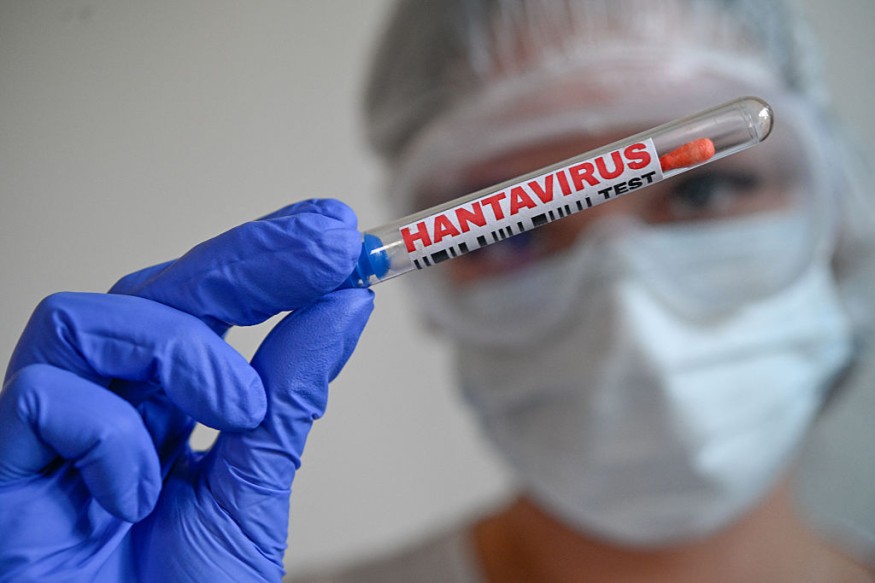
U.S. health officials confirmed Thursday that 41 people across the country are under monitoring for potential hantavirus infections following a deadly outbreak aboard the cruise ship MV Hondius that killed three people earlier this month.
The Centers for Disease Control and Prevention disclosed that the 41 individuals include 16 people repatriated from the cruise ship who are under quarantine at a Nebraska facility, two repatriated passengers being monitored at an Atlanta facility, seven former cruise ship passengers who departed before the outbreak was declared, and 16 people exposed during travel, including on flights.
CDC incident manager for hantavirus, Dr. David Fitter, emphasized that no confirmed cases of the Andes hantavirus have been verified in the United States, according to ABC News.
Monitoring of the Hantavirus
The 16 additional people being monitored nationwide represent a significant increase from the 18 cruise ship passengers previously acknowledged by the CDC. These individuals had not been publicly disclosed before Thursday's announcement.
The cruise ship MV Hondius became the site of a severe hantavirus outbreak in May 2026, prompting the vessel to dock on May 10 for passenger disembarkation and medical care, Apha reported.
Health authorities are implementing a six-week monitoring protocol for the most exposed individuals. According to CDC guidelines, people with recent exposure should be monitored for 45 days after potential contact and instructed to seek immediate medical attention if febrile or respiratory illness develops.
Hantavirus spreads primarily through inhalation of particles contaminated with feces, urine, or saliva of infected rodents, though most strains do not transmit between people. The exception is the Andes virus, which has shown some evidence of person-to-person transmission according to the World Health Organization.
Early symptoms include fatigue, fever, muscle aches, headache, dizziness, chills, nausea, vomiting, diarrhea, and abdominal pain, while late symptoms appearing four to 10 days later include coughing and shortness of breath, as per Praxis Med.
Originally published on HNGN
© 2026 HNGN, All rights reserved. Do not reproduce without permission.


