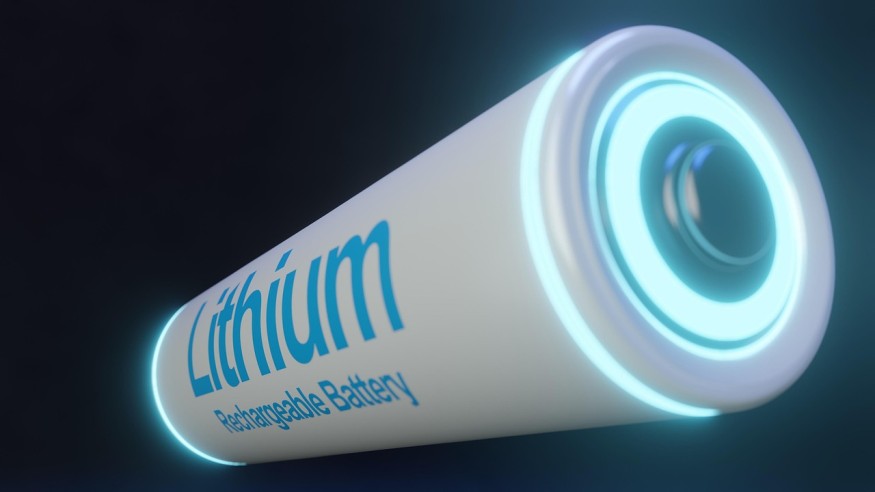
Lithium-ion batteries are the cornerstone of modern electric vehicles, powering long-range EVs with packs often exceeding 60kWh and enabling 300+ mile driving ranges. Core EV minerals—lithium, nickel, and cobalt—make up more than 50kg per average pack, delivering the voltage, capacity, and stability needed for consistent performance. However, the battery supply chain is highly concentrated geographically, exposing automakers to risks from political instability, labor issues, and raw material shortages.
Innovations in battery chemistry, like NMC811 cathodes, balance energy density, safety, and cost by optimizing the ratio of nickel, manganese, and cobalt. At the same time, evolving technologies, recycling strategies, and the integration of rare earth metals in motors ensure that lithium-ion batteries remain at the heart of EV development, even as manufacturers navigate global supply chain challenges and sustainability demands.
Lithium, Nickel, and Cobalt in Lithium-Ion Batteries
Lithium plays a critical role in lithium-ion batteries by enabling a nominal 3.6V cell voltage. It shuttles between the graphite anode and the NMC cathode during charging and discharging, making high energy density possible while maintaining efficient cycle life. Its light weight and electrochemical stability make it indispensable for EV powertrains.
Nickel is the primary driver of capacity in modern cathodes. In NMC811 chemistries, which contain 80% nickel, energy density reaches approximately 200Wh/kg, providing a 20% range increase over older NMC523 cathodes with 50% nickel. This boost directly translates to longer driving distances without increasing pack size or weight, making nickel a key enabler of next-generation EV range.
Cobalt, although less abundant, stabilizes the cathode's crystal lattice, preventing thermal runaway and maintaining cycle life beyond 1,000 full charges. While cobalt is expensive and ethically challenging due to mining practices, it ensures operational safety and performance consistency. The interplay of lithium, nickel, and cobalt allows lithium-ion batteries to meet the demanding performance standards required by contemporary EVs.
Read more: How Electric Vehicles vs Gasoline Cars Compare on Carbon Emissions and Green Transportation
EV Minerals and the Battery Supply Chain
A typical 60kWh EV battery pack requires roughly 11kg of lithium, 29kg of nickel, and 8kg of cobalt. Nickel content rises to 80% in high-energy NMC811 cathodes, underscoring its importance for long-range performance. However, the global supply of these minerals is concentrated, creating vulnerabilities. Congo supplies approximately 70% of the world's cobalt, often raising concerns over labor conditions and mining ethics, while Indonesia dominates nickel production at 50% of the global market.
Rare earth metals complement lithium-ion batteries by powering motors, with elements like neodymium essential for permanent magnets in EV drivetrains. These metals enhance motor efficiency, torque, and longevity, making them integral to overall EV performance. Together, lithium, nickel, cobalt, and rare earth elements form a tightly interconnected network, where shortages or bottlenecks in one mineral can ripple across the entire EV battery supply chain.
The high demand for EV minerals also encourages manufacturers and governments to diversify sources and invest in recycling. As EV adoption grows, understanding the supply chain and anticipating disruptions are critical to maintaining consistent production and supporting sustainable mobility goals.
Innovations Reducing Mineral Dependency
Battery technology is rapidly evolving to reduce reliance on scarce and expensive minerals like nickel and cobalt. Traditional lithium-ion batteries rely heavily on these materials, but emerging cathode chemistries and alternative battery designs are minimizing dependency while maintaining performance. These innovations also address ethical concerns associated with cobalt mining and the environmental impact of resource extraction.
In addition to new chemistries, recycling has become a critical strategy for the battery supply chain. Recovering valuable minerals from end-of-life EV batteries helps mitigate projected shortages, supports sustainable production, and ensures that lithium-ion batteries remain scalable as global EV adoption grows. By combining alternative materials, solid-state designs, and efficient recycling, manufacturers can balance cost, performance, and sustainability.
Key Innovations
- LFP (Lithium Iron Phosphate) cathodes eliminate nickel and cobalt while reducing cost but slightly lowering energy density.
- Solid-state batteries replace liquid electrolytes with solid ones, reducing cobalt dependency and increasing safety.
- Sodium-ion batteries eliminate lithium entirely, using more abundant materials for low-cost, large-scale storage.
- Recycling recovers up to 95% of lithium, nickel, and cobalt from end-of-life EV batteries, mitigating supply chain shortages.
- Combined chemistry innovation, solid-state technology, and recycling sustain battery supply chain growth while addressing cost and sustainability.
Conclusion
Lithium-ion batteries remain central to EV performance, powered by strategically sourced EV minerals like lithium, nickel, and cobalt. Despite rare earth metal constraints and concentrated mining, ongoing innovations in battery chemistry, solid-state technologies, and recycling are strengthening the battery supply chain.
Balancing safety, energy density, and cost, new cathode designs and alternative chemistries help manufacturers meet growing EV demand while improving sustainability. With careful management of mineral sourcing, ethical mining practices, and closed-loop recycling, lithium-ion batteries can continue driving the global transition to electric mobility, ensuring reliable and long-lasting performance for consumers and industry alike.
Frequently Asked Questions
1. Why is nickel critical for EV range?
80% nickel cathodes deliver 200Wh/kg compared to 160Wh/kg in NMC532, directly extending EV driving distance.
2. How much cobalt is in Tesla batteries?
Tesla Model 3 NCA packs contain approximately 4.5–9.5kg of cobalt per battery.
3. Can EVs eliminate cobalt dependency?
LFP and solid-state batteries reduce but do not fully eliminate cobalt requirements.
4. What percentage of lithium is in EV minerals?
Lithium accounts for about 3.2% of battery pack weight (11kg per 60kWh pack).
© 2026 ScienceTimes.com All rights reserved. Do not reproduce without permission. The window to the world of Science Times.


