Climate change is reshaping ecosystems worldwide, presenting challenges and opportunities for countless species. While many animals face habitat loss and stress, some climate change animals are thriving by showcasing species adaptation.
This phenomenon highlights the remarkable capacity for species adaptation in the face of global warming. Understanding which species benefit and how they adapt offers valuable insight into ecological resilience and the complex effects of climate change.
What Are Climate Change Animals?
Climate change animals refer to species that find new opportunities to survive and reproduce because of changing environmental conditions linked to global warming. Unlike vulnerable or endangered species, these animals may expand their range, increase their populations, or alter behaviors to thrive as temperatures rise, seasons shift, or habitats transform. Their success is often tied to specific adaptations that give them an edge in warmer or altered ecosystems.
Environmental factors that influence these species include temperature increases, changes in precipitation patterns, altered availability of food and water, and changes in predator-prey relationships. These shifts create new ecological niches where some animals can flourish.
How Do Species Adapt to Climate Change?
Species adaptation to climate change occurs through various mechanisms, broadly grouped into behavioral, physiological, and genetic changes. Behavioral adaptations may include altered migration routes or breeding times to better suit changing climates.
Physiological adaptations could involve changes in metabolism or heat tolerance, allowing organisms to survive higher temperatures. Genetic adaptations arise from natural selection favoring traits that enable organisms to thrive in new environments.
Rapid adaptations often occur within a few generations, especially in species with short lifespans or high reproductive rates, enabling them to keep pace with fast environmental changes. Others may adapt more slowly or through plasticity, where organisms temporarily adjust their behavior or physiology without genetic change.
1. Arctic Fox: Expanding in a Warming Arctic
The Arctic fox exemplifies a species that benefits from warming in the Arctic. As temperatures rise and snow cover decreases, the Arctic fox is expanding its range northward, where it faces less competition and increased access to prey.
Its thick fur, sharp senses, and keen hunting abilities enable it to survive harsh winter conditions, but the shrinking ice also exposes it to new opportunities in tundra and forest zones.
Adaptations such as dietary flexibility and seasonal coat color changes that help it blend into snowy or snowless surroundings help it exploit new habitats. This species' adaptability points to how warming climates may restructure Arctic ecosystems, favoring some native animals over others.
2. Mosquitoes: Prolific Population Growth and Disease Spread
Mosquitoes demonstrate how climate change animals can have significant ecological and human health impacts. Warmer temperatures and increased humidity accelerate mosquito life cycles, enabling more frequent breeding and longer seasons of activity. This boost in mosquito populations also expands their geographic range to previously cooler regions.
As vectors for diseases like malaria, dengue fever, and Zika virus, mosquitoes' enhanced survival due to climate change adaptation raises public health concerns. Their adaptability to shifting climates underscores the intersection between environmental change and disease dynamics.
3. Mountain Pine Beetle: Forest Devastation Amplified
The mountain pine beetle is another climate change animal thriving with warmer temperatures. This insect's reproductive cycle depends on temperature, and milder winters reduce beetle mortality, allowing populations to explode. Additionally, longer warm seasons increase multiple generations per year.
These beetles infest and kill large swaths of pine forest, disrupting ecosystems and forestry industries. Their success is a clear example of how species adaptation to climate change can cause cascading environmental effects, emphasizing the need to monitor and manage such populations carefully.
4. Manta Rays: Marine Species Benefiting from Warmer Oceans
In the marine realm, manta rays illustrate how some species benefit from rising ocean temperatures. Warmer seas can increase plankton blooms, a primary food source for manta rays, supporting their feeding and migratory behavior. Additionally, changes in ocean currents may open new routes or habitats favoring their dispersal.
Physiological adaptations, such as changes in metabolic rate or behavior to optimize energy use in warmer waters, contribute to their ability to exploit altered marine environments successfully.
5. Cactus Wren: Habitat Expansion in Desert Areas
The cactus wren is a species adapting successfully to warming and desertifying environments. Its habitat is expanding as temperature increases enable this bird to move into areas becoming more arid. The cactus wren's behavioral adaptations include nesting in cacti to protect against predators and conserving water to survive harsh climates.
This species adaptation demonstrates how some birds can adjust habitat preferences and behaviors to capitalize on changes induced by climate change.
Read more: Top 9 Natural Events and Atmospheric Phenomena That Are So Rare You May Never Witness Them
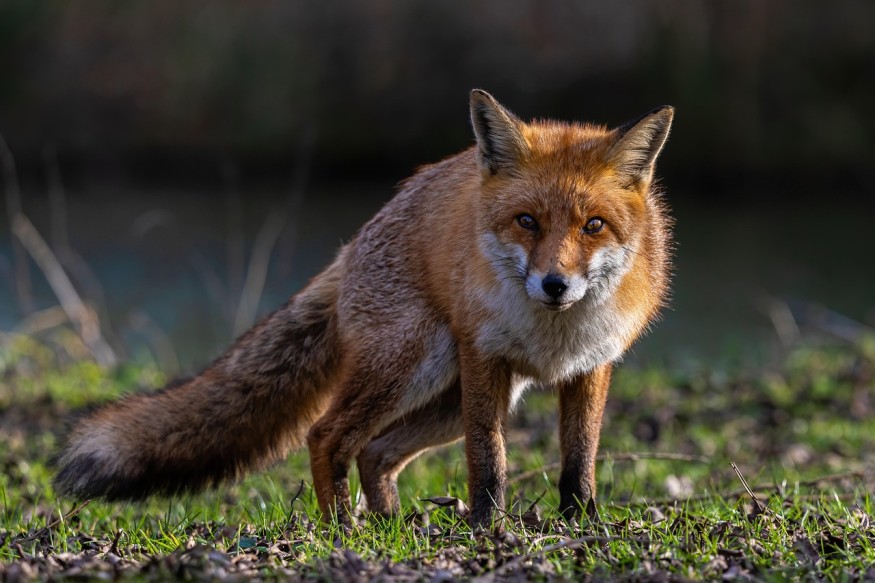
6. Red Fox: Shifting Northward Into New Territories
The red fox is moving northward as snow cover decreases with warming climates. This range expansion leads to increased competition with native species such as the Arctic fox. The red fox's versatile diet and habitat use enable it to colonize diverse ecosystems successfully.
Its adaptability points to the competitive dynamics shifting in northern latitudes, where changing conditions favor generalist species capable of quick adaptation.
7. Jellyfish: Thriving in Warmer, Altered Oceans
Jellyfish populations are booming in many parts of the world due to warmer ocean temperatures and nutrient changes caused by climate change. These animals tolerate low oxygen levels and can reproduce rapidly, giving them a competitive advantage as their predators and competitors decline.
Patchy plankton increases support large jellyfish blooms, which can disrupt local fisheries and marine food webs. Jellyfish vibrant proliferation is a striking example of how some species adaptation leads to shifts in marine ecosystem balance.
What Are Examples of Species Adaptation?
The seven species above display a wide range of adaptation types. Arctic foxes and red foxes show behavioral and range adaptations, mosquitoes and beetles illustrate rapid reproductive and life-cycle changes tied to temperature, while manta rays and jellyfish demonstrate physiological and ecosystem-level responses. Cactus wrens highlight a combination of habitat preference and behavioral resilience.
Together, they underscore that species adaptation to climate change varies widely but can confer distinct survival advantages, enabling some animals to flourish in a warming world.
Can Thriving Species Cause Ecological Problems?
While climate change animals may seem like ecological winners, their success can cause significant problems. Expanding populations of pests like mountain pine beetles or mosquitoes can devastate ecosystems and threaten human health.
Invasive or overabundant species can displace native wildlife and disrupt existing food webs, sometimes triggering biodiversity loss despite overall population increases.
These unintended consequences highlight the complexity of climate change's effects. Thriving species adaptation does not only mean positive outcomes but also requires ecological management to mitigate imbalance.
Climate change drives profound ecological transformations, with some species adapting and thriving amid the challenges. These climate change animals demonstrate the diversity and flexibility of life but also illustrate how adaptation can reshape ecosystems in unpredictable ways. Understanding species adaptation offers critical insight into the future of biodiversity and underscores the need to balance conservation with the realities of a changing planet.
By studying these seven species, the Arctic fox, mosquitoes, mountain pine beetle, manta rays, cactus wren, red fox, and jellyfish, scientists can better predict and manage the ongoing impacts of climate change on global ecosystems.
Frequently Asked Questions
1. How does climate change affect predator-prey relationships?
Climate change can alter the timing and location of food availability, causing predators and prey to become out of sync. Some predators may shift their hunting ranges or seasons, while prey species might adjust their defenses or breeding cycles. These changes can disrupt established ecological balances and force species to adapt new survival strategies.
2. Are there any plants that also thrive because of climate change?
Yes, certain plant species benefit from warmer temperatures and longer growing seasons. For example, some invasive plant species can outcompete native flora by quickly colonizing disturbed habitats. These changes in plant communities can indirectly benefit certain animals but may also lead to reduced biodiversity.
3. Can human activities influence how species adapt to climate change?
Human activities such as habitat modification, pollution, and introducing non-native species can accelerate or impede species adaptation. Conservation efforts, like creating wildlife corridors, can help animals move to suitable habitats, while habitat destruction might limit their adaptive options.
4. What role does genetic diversity play in species adaptation to climate change?
Genetic diversity within a species provides the raw material for adaptation. Populations with higher genetic variation are more likely to possess traits that allow some individuals to survive new environmental stresses, facilitating faster and more effective adaptation to climate change conditions.
© 2026 ScienceTimes.com All rights reserved. Do not reproduce without permission. The window to the world of Science Times.


