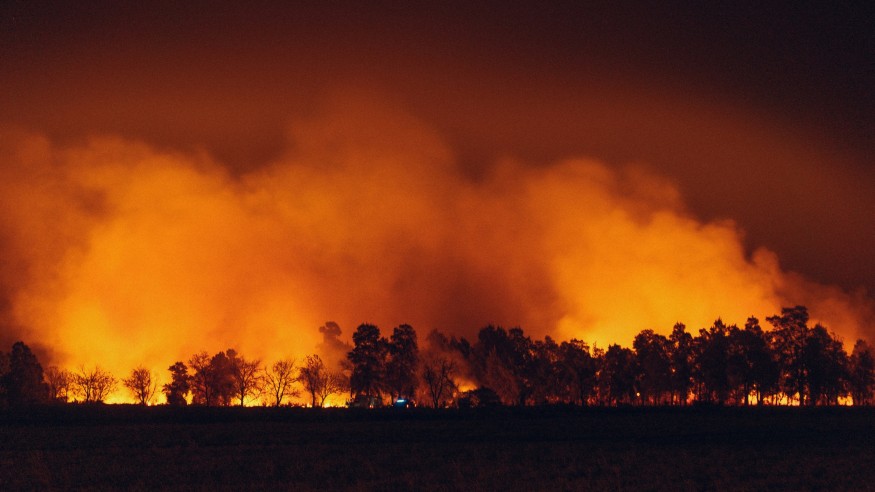
Understanding how wildfires start requires looking beyond flames and focusing on the conditions that allow ignition in the first place. Fire needs three elements—heat, fuel, and oxygen—and when these align, even a small spark can trigger disaster. Lightning remains a natural source, but modern wildfire causes are dominated by human activity, including campfires, power infrastructure, and machinery. As drought and heat intensify, vegetation dries faster, lowering ignition thresholds across forests and grasslands.
Once ignition occurs, wildfire spread depends on weather, terrain, and fuel structure. Low humidity, strong winds, and continuous vegetation allow fires to accelerate rapidly, often outpacing suppression efforts. These dynamics explain why wildfire behavior has become more extreme, turning isolated ignitions into fast-moving megafires that threaten ecosystems, communities, and infrastructure.
Ignition Sources and How Wildfires Start
How wildfires start can be traced to ignition events that introduce sufficient heat into dry, receptive fuels. When vegetation moisture drops, even brief heat exposure can trigger combustion. Ignition sources vary widely, ranging from natural atmospheric events to everyday human activities. Understanding these sources is critical for reducing wildfire causes and preventing small sparks from becoming large-scale disasters.
- Lightning Strikes: Dry lightning produces temperatures exceeding 30,000°C, instantly igniting vegetation during storms where rain evaporates before reaching the ground. These strikes often hit ridgelines and tall trees, creating multiple ignition points in remote areas. Detection is difficult, allowing fires to grow before suppression begins.
- Downed Power Lines: Electrical arcing from damaged infrastructure generates extreme heat capable of igniting grasslands and forests beneath transmission corridors. High winds can cause lines to slap together or fall, showering sparks across dry fuels. Many of the most destructive wildfires begin near utility routes.
- Unattended Campfires: Improperly extinguished campfires retain heat for hours or even days beneath ash layers. Wind can revive buried embers, spreading flames beyond fire rings. Campfires are a leading cause of wildfires in recreational areas during dry seasons.
- Equipment and Machinery Sparks: Chainsaws, lawn equipment, and farm machinery can emit sparks when metal strikes rock or hardened soil. Vehicle exhaust systems and catalytic converters can exceed 1,000°F, igniting grass beneath parked cars. These wildfire causes are common in rural and agricultural regions.
- Discarded Cigarettes: Smoldering cigarette butts can maintain temperatures high enough to ignite dry leaves and roadside vegetation. Fires often start along highways where airflow accelerates ignition. Delayed combustion makes these fires harder to trace to their source.
- Intentional Ignitions: Arson and illegal debris burning introduce sustained, high-temperature ignition sources. These fires often start near communities, increasing threats to homes and infrastructure. Intentional wildfires frequently escalate quickly due to proximity to roads and human activity.
Fuel and Weather Conditions Driving Wildfire Spread
Once ignited, wildfire spread depends heavily on fuel availability and weather conditions. Fine fuels like grasses and pine needles ignite quickly, while heavier fuels such as logs and brush sustain fires for days. Continuous fuel layers allow flames to climb vertically, creating fast-moving crown fires.
Climate patterns strongly influence how wildfires start by drying vegetation over long periods. Prolonged droughts reduce live fuel moisture, while heatwaves further lower ignition thresholds. Seasonal wind systems intensify wildfire spread by supplying oxygen and pushing flames across fire lines.
Wind-driven fires behave unpredictably. Strong gusts scatter embers far ahead of the main fire, forming spot fires miles away. These secondary ignitions complicate suppression efforts and expand wildfire causes beyond the original ignition zone.
Fire Behavior Dynamics and Wildfire Spread
Fire behavior explains why wildfire spread can accelerate suddenly. As flames grow, rising heat creates convection columns that draw in fresh oxygen, increasing intensity. This self-feeding cycle allows fires to generate their own weather patterns.
Terrain plays a critical role in how wildfires start to escalate. Fires burn uphill faster because heat rises, preheating vegetation above the flame front. Narrow canyons and steep slopes amplify this effect, causing rapid runs even during nighttime hours.
Extreme fires can generate towering smoke columns that form pyrocumulus clouds. These clouds may produce lightning, creating new ignition points and compounding wildfire causes across wide regions. At this stage, containment becomes extremely difficult.
Containment Challenges Linked to Wildfire Causes
As fires grow larger and more intense, containment efforts become increasingly complex and dangerous. Wildfire spread can outpace suppression when wind, heat, and low humidity align. Even advanced firefighting strategies struggle against fast-moving flames and ember-driven ignitions. These challenges show how wildfire causes directly influence how difficult a fire is to control.
- Backburning Operations: Crews ignite controlled fires to remove fuel ahead of the main blaze. Success depends on stable wind and humidity.
- Fire Lines and Dozer Cuts: Vegetation is cleared to create barriers slowing surface fires. Steep terrain can limit effectiveness.
- Airborne Embers and Spot Fires: Embers can start new fires beyond containment lines. This makes fire spread unpredictable.
- Aerial Firefighting: Water and retardant drops cool flames temporarily. Smoke and wind often limit aircraft use.
- Extreme Weather Conditions: Heat, drought, and low humidity reduce suppression effectiveness. Wind can accelerate fire beyond safe engagement.
- Resource and Access Limitations: Remote terrain delays firefighter deployment. Multiple fires strain available equipment and personnel.
Conclusion
Understanding how wildfires start makes it clear that ignition alone does not define disaster. The true danger emerges when fuel loads, weather conditions, and terrain combine to accelerate wildfire spread beyond control. Wind-driven embers, steep slopes, and prolonged drought transform small fires into large-scale emergencies, overwhelming suppression resources and increasing long-term ecological damage.
Reducing wildfire causes requires prevention as much as response. Fuel management, prescribed burns, infrastructure upgrades, and public awareness significantly lower fire intensity and spread potential. As climate conditions continue to favor extreme fire behavior, proactive land stewardship becomes essential. Managing fuels before ignition remains the most effective way to limit wildfire spread, protect communities, and ensure forests can recover rather than collapse after repeated fire events.
Frequently Asked Questions
1. How do wildfires start most commonly today?
Most wildfires start from human activity rather than natural causes. Campfires, power lines, equipment sparks, and debris burning account for the majority of ignitions. Lightning remains significant but is far less frequent overall. Prevention efforts focus heavily on reducing human-related risks.
2. How fast can wildfire spread?
Wildfire spread varies by fuel, wind, and terrain. Under extreme conditions, crown fires can exceed highway speeds. Embers can ignite spot fires miles ahead of the main front. This rapid movement often outpaces suppression efforts.
3. What are the main causes of wildfire by season?
Summer droughts dry vegetation, increasing ignition risk. Fall wind events dramatically accelerate wildfire spread. Winter and spring can still see fires during dry periods. Seasonal patterns influence fire behavior but do not eliminate risk.
4. Can wildfires be effectively contained?
Small fires are often controlled quickly with early response. Large fires become difficult once extreme weather takes hold. Fuel management significantly improves containment success. Long-term prevention remains more effective than suppression alone.
© 2026 ScienceTimes.com All rights reserved. Do not reproduce without permission. The window to the world of Science Times.


