Tinnitus affects nearly 50 million Americans, yet many people don't fully understand what causes it or how to manage it effectively. This condition can significantly impact sleep quality, concentration, and overall well-being, but the good news is that numerous treatment options exist to help reduce symptoms and improve quality of life.
Understanding Tinnitus: More Than Just Ringing
Tinnitus isn't a disease, it's a symptom that occurs when the auditory system sends abnormal signals to the brain. People describe tinnitus symptoms in various ways: a high-pitched ringing, low-frequency buzzing, constant humming, or even a whooshing sound that seems to pulse with the heartbeat.
Some individuals experience it occasionally, while others deal with it 24/7. The key characteristic is that these phantom sounds exist without any external noise source, making them uniquely frustrating for those who experience them.
The condition becomes especially noticeable in quiet environments, like bedrooms at night or silent offices. This happens because external background noise typically masks the internal sound, but remove that masking, and the tinnitus becomes apparent.
About 80% of people with tinnitus also experience some degree of hearing loss, which underscores the connection between auditory damage and phantom sound perception.
The 7 Common Causes Behind Tinnitus Ringing Ears
Understanding what triggers tinnitus ringing ears causes is the first step toward effective management. Several common causes account for the majority of cases, and identifying which applies to your situation helps determine the best treatment approach.
1. Age-Related Hearing Loss and Tinnitus
Age-related hearing loss tinnitus, scientifically known as presbycusis, represents one of the most prevalent causes. As people age, the sensory hair cells in the inner ear naturally deteriorate, leading to hearing difficulties and often tinnitus development. This affects approximately 1 in 3 adults aged 65 to 74.
The condition typically begins with difficulty hearing high-frequency sounds, like female voices or bird chirping, before progressing to other frequencies. The connection between aging and tinnitus is so strong that nearly two-thirds of individuals over 70 experience some form of age-related hearing loss tinnitus.
2. Noise Exposure and Acoustic Trauma
Exposure to loud sounds remains a leading preventable cause of tinnitus. Up to 90% of tinnitus cases involve some degree of noise-related hearing damage. Whether from occupational exposure, recreational activities like concerts, or cumulative exposure to everyday loud environments, noise damages the delicate hair cells in the cochlea.
Once these cells are harmed, they send confused signals that the brain interprets as tinnitus. Protecting hearing through proper hearing protection in loud environments can prevent this irreversible damage, according to the World Health Organization.
3. Earwax Impaction
While seemingly minor, excessive earwax buildup can create a mechanical blockage that changes how sound travels through the ear canal. This buildup may cause conductive hearing loss and accompanying tinnitus.
Fortunately, this type of tinnitus often resolves quickly once the earwax is professionally removed by an audiologist or physician.
4. Ear Infections and Inflammation
Infections in the outer ear (otitis externa) or middle ear infections can trigger tinnitus symptoms.
Additionally, Eustachian tube dysfunction, when the small tube connecting the middle ear to the throat becomes blocked, frequently accompanies tinnitus development. These conditions are often temporary, and treating the underlying infection usually resolves associated tinnitus.
5. Ototoxic Medications
Certain medications carry the side effect of damaging hearing structures. These ototoxic drugs include some antibiotics (particularly aminoglycosides), high doses of aspirin, chemotherapy agents, and loop diuretics.
Some medications cause temporary tinnitus that resolves after stopping treatment, while others may cause permanent effects. Discussing medication side effects with healthcare providers helps identify this potential cause.
6. Underlying Health Conditions
Several medical conditions correlate with tinnitus development, including Menière's disease (which causes vertigo and hearing loss), thyroid disorders, cardiovascular issues, and temporomandibular joint (TMJ) problems.
These conditions alter either the auditory system directly or the neural pathways processing sound signals. Additionally, conditions like otosclerosis, abnormal bone growth in the middle ear, can cause progressive hearing loss and tinnitus.
7. Stress and Psychological Factors
Psychological stress doesn't directly cause tinnitus, but it significantly amplifies perception of existing symptoms, as per the National Institutes of Health.
Anxiety heightens awareness of internal sounds, creating a vicious cycle where stress worsens tinnitus perception, which increases stress further. Managing stress becomes an important component of overall tinnitus management strategies.
Proven Treatment Options for Tinnitus Ringing Ears Causes Treatment
Modern medicine offers multiple evidence-based approaches to manage tinnitus effectively. Rather than looking for a single cure, professionals typically recommend combining strategies tailored to individual needs.
Sound Therapy and Masking
External sounds can naturally distract from phantom noise. White noise machines, ambient sound apps, or even background music can provide relief by giving the auditory system something else to focus on.
This approach works particularly well in quiet environments and especially helps with sleep-related tinnitus disturbances. Notched music therapy, specially filtered music designed to avoid the frequency of a person's tinnitus, shows promise in recent clinical research.
Cognitive Behavioral Therapy for Tinnitus Management
Cognitive behavioral therapy tinnitus management represents one of the most researched and effective psychological approaches. Rather than eliminating the sound itself, CBT helps patients change their emotional and behavioral responses to tinnitus.
The therapy typically involves 6 to 10 weekly sessions focusing on cognitive restructuring, relaxation training, and guided imagery. Patients learn to recognize thought patterns that amplify distress and develop healthier coping mechanisms.
Research shows that recognized clinical guidelines in both the United States and Europe recommend CBT for tinnitus, with many patients reporting significant quality-of-life improvements. Studies demonstrate that patients who complete CBT show sustained benefits even after therapy concludes.
Tinnitus Retraining Therapy
This structured counseling approach combines sound therapy with directive counseling. A trained professional helps patients habituate to the tinnitus sound, essentially training the brain to filter it out similarly to how people stop noticing background traffic in their homes. This approach typically requires longer commitment but produces lasting results.
Lifestyle Modifications
Simple changes often yield meaningful results. Improving sleep hygiene, reducing stress through meditation or yoga, limiting caffeine and alcohol consumption, and avoiding known triggers can all contribute to symptom reduction.
Exercise also plays a role, regular physical activity improves overall circulation and may reduce tinnitus severity.
Hearing Aid Tinnitus Relief: Why Hearing Aids Actually Help
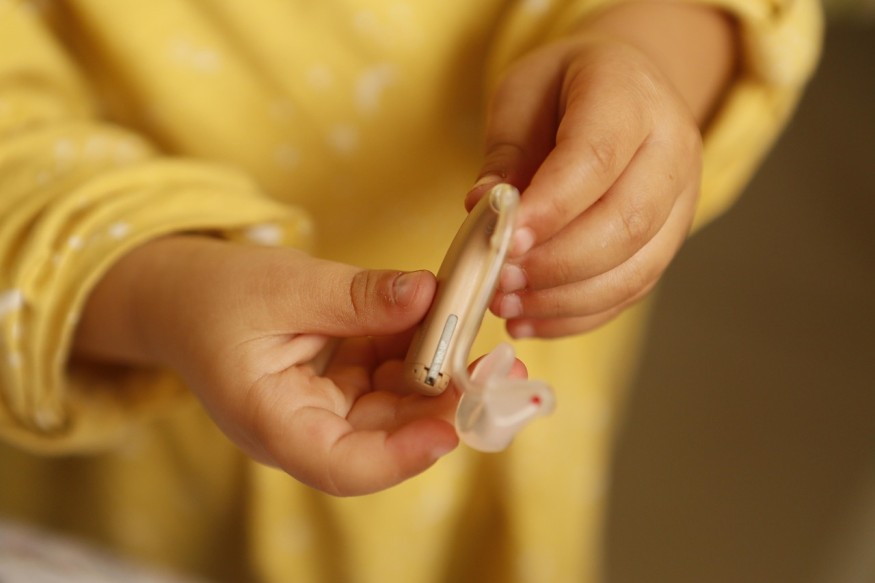
One of the most effective yet underutilized treatments for tinnitus is the modern hearing aid. The relationship between hearing loss and tinnitus is profound, and contemporary hearing aids address both simultaneously.
Hearing aid tinnitus relief works through multiple mechanisms. First, hearing aids amplify external sounds, providing the auditory system with more environmental input to process.
This increased sensory stimulation reduces the brain's focus on the phantom sound, a principle known as masking through amplification. For many patients, simply amplifying the sounds around them provides noticeable relief within the first few days of use.
Second, hearing aids restore normal auditory input to the brain. When hearing loss exists alongside tinnitus, the hearing system sends degraded signals. Consistent amplification helps recalibrate these neural pathways, essentially retraining the brain's auditory processing.
This neuroplasticity effect often improves over weeks to months as the brain adjusts to proper sensory input. The longer patients wear hearing aids, the more pronounced this benefit becomes.
Third, many modern hearing aids include integrated sound generators that produce soothing background sounds, gentle white noise, ocean waves, rain, or other ambient tones. These features specifically target tinnitus relief while also restoring hearing function.
Research supports this approach: approximately 68% of clinical studies demonstrate that hearing aids significantly reduce tinnitus perception in patients with concurrent hearing loss. Success rates improve further when combined with professional fitting, counseling, and customization to individual preferences and needs.
Steps for Effective Tinnitus Management
While no universal cure for tinnitus currently exists, effective management strategies allow the vast majority of patients, around 90%, to achieve substantial symptom improvement and better quality of life. The timeline varies; some people notice relief within days, while others require weeks or months of consistent treatment application.
The most successful approach involves working with audiologists or ENT specialists to identify underlying causes, then implementing a personalized combination of treatments. Starting with a comprehensive evaluation helps determine which causes are present and which treatments will be most beneficial for individual circumstances.
If you experience tinnitus symptoms, scheduling an evaluation with a hearing healthcare professional represents the first meaningful step toward relief and understanding. Modern treatment options provide real hope for managing this condition effectively.
Frequently Asked Questions
1. How long does tinnitus last, and when does it become permanent?
Temporary tinnitus from loud noise or ear infections typically resolves within hours to days. If it persists beyond two weeks, it likely indicates permanent hearing damage. About 40% of mild tinnitus cases resolve within five years with proper management.
2. Do I need a hearing test if I have tinnitus but hear normally?
Yes. A comprehensive hearing evaluation detects subtle hearing damage invisible to everyday perception. This information is essential for customizing treatment and ruling out serious conditions like auditory nerve disorders.
3. Will my tinnitus go away after a concert or loud noise exposure?
Most likely, if mild. Single-event noise-induced tinnitus usually resolves within 24 to 48 hours. If symptoms persist beyond a week, permanent hearing damage likely occurred.
4. Can I wear hearing aids if my tinnitus is in only one ear?
Yes. Experts recommend bilateral fitting (both ears) because your brain's neural connections between ears improve overall tinnitus relief and sound quality, even when tinnitus affects only one side.
Originally published on Medical Daily


