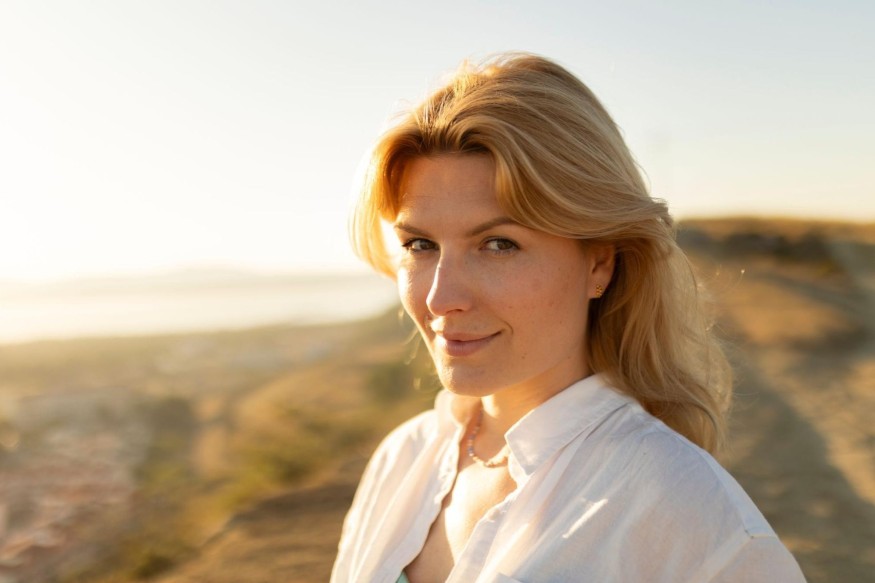
Michael Fischman, a psychoanalyst, social worker, and director of the Institute for Psychotherapeutic Advancement, has long believed that the mind and body do not heal in isolation, but rather heal in cohesion. He has been working at the center of this evolving frontier, blending a classical psychoanalytical approach with emotional circulation, physical health, and the psychology behind somatic illness, an approach that may support those living with autoimmune health conditions.
Fischman's path into the field began when he chose to leave high school early. After spending the next few years in active duty, he explored hairdressing, a creative pursuit that eventually led him to seek new directions. A pivotal moment came when he met a professional whose electrifying presence deeply inspired him. "It inspired me to follow his path," he says, emphasizing how that youthful spark evolved into a transcendental experience over the years.
After experiencing a profound journey, Fischman cultivated visions alongside humility and empathy that continue to enrich every interaction with his clients. Over decades of professional observation, he arrived at a central insight: when a person suppresses negative emotional energies, those energies can influence the body's inner balance, including the autoimmune system.
In line with this, he believes this inward turn has the potential to support the autoimmune processes, depending on the individual's genetic and physiological makeup.
Fischman emphasizes that therapeutic work is, by nature, gradual and shaped by the depth and duration of each condition. Helping clients become comfortable with long-held emotions may take months or even years. He argues that the process, which he refers to as "emotional circulation," is essential to reestablishing equilibrium in the immune and neurological systems because he feels that emotions flow freely, much like blood does. "The aim is not simply symptom management, but the restoration of internal conditions that support resilience," he explains. "Engaging with the systemic emotional roots is essential for true restoration and meaningful transformation."
With a depth-oriented method, Fischman's work focuses on uncovering unconscious processes and creative instincts. He believes this is where genuine psychological transformation takes place. He emphasizes that his approach is intended to focus on the etiological factors underlying the condition being treated.
In the context of autoimmune conditions, Fischman insists that his goal is to support the overall treatment journey, aiming to alleviate its symptoms. He also aims to implement his methodology across a plethora of health conditions.
According to Fischman, patients often arrive because they are unable to garner relief for their condition through medical means alone. Fischman states that he often combines standard procedures while continuing to address the etiological and psychological causes of the condition.
Fischman concludes, "For all purposes, I believe that most health conditions could be supported, providing that the patient is aware that the procedure will take as long as it will take. The goal is to design our approach in a way that could promote noticeable symptom management."
© 2026 ScienceTimes.com All rights reserved. Do not reproduce without permission. The window to the world of Science Times.


