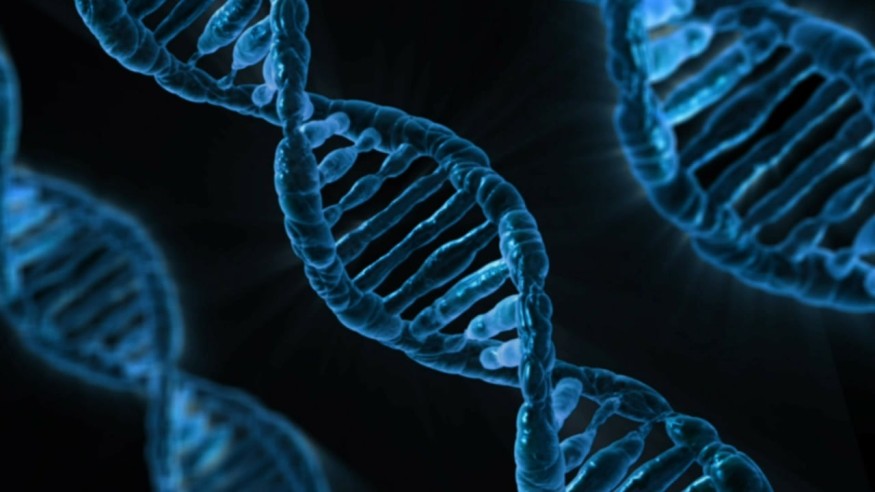
DNA is more than a molecule, it is the fundamental archive that contains the instructions for life itself. In molecular biology, the DNA structure determines how information is stored, copied, and transmitted across generations.
This intricate system ensures that every cell in a living organism knows how to function, develop, and reproduce. Yet, despite its precision, DNA can sometimes fail, leading to genetic mutations that alter traits or cause disease. Understanding how DNA works and why errors occur reveals the delicate balance that underpins all living systems.
What Is DNA and How Does It Work?
Deoxyribonucleic acid, or DNA, is the hereditary material found in nearly every living cell. It holds the genetic instructions that guide cell behavior, from protein production to reproduction.
Each DNA molecule is organized into structures called chromosomes, and these chromosomes contain individual genes, segments of code that dictate specific traits.
In simple terms, DNA acts as a biological instruction manual passed down from one generation to the next. This process, known as heredity, ensures that offspring inherit many characteristics from their parents, such as eye color, height, or blood type.
Yet, while all humans share about 99.9% of the same DNA, tiny variations in the remaining fraction account for individual differences and unique genetic expressions.
How Does DNA Store Information?
The ability of DNA to store information lies in its unique double helix shape, one of the most iconic features in molecular biology. The DNA structure consists of two long strands made up of repeating units called nucleotides.
Each nucleotide includes a sugar group, a phosphate group, and one of four nitrogen bases: adenine (A), thymine (T), cytosine (C), or guanine (G).
These bases pair in a highly specific way: adenine with thymine, and cytosine with guanine. The order of these bases forms the "genetic code," a sequence that functions much like the letters in a language.
Just as the order of letters determines the meaning of words, the arrangement of these bases determines the instructions for building proteins. These proteins, in turn, are responsible for nearly every process that keeps an organism alive.
For instance, one gene might carry the code for hemoglobin, the protein that transports oxygen in the blood. Another might govern the production of enzymes that digest food. The immense complexity of life arises from these sequences of bases and how they interact within the cell.
How Is DNA Replicated and Translated?
Every time a cell divides, an identical copy of its DNA must be made. This process, known as replication, ensures that genetic information is faithfully passed on. During replication, the two strands of the DNA helix unwind.
Each strand then serves as a template for building a new complementary strand. Specialized enzymes, including DNA polymerase, help add nucleotides in the correct sequence, maintaining remarkable accuracy.
Once the DNA has been copied, the next step is protein synthesis, which involves two major processes: transcription and translation. In transcription, a segment of DNA is copied into RNA, which then carries the instructions to the ribosomes. Translation is the stage where the ribosome reads the RNA code to assemble amino acids into proteins.
Despite DNA's efficiency, replication is not perfect. Occasionally, errors slip through, leading to genetic mutations that can alter traits or functions. Fortunately, the cell has built-in proofreading and repair mechanisms that correct most errors before they cause harm.
What Causes DNA Mutations?
Mutations are changes in the DNA sequence, and they can occur for various reasons. Some arise spontaneously during replication, while others result from environmental factors such as radiation, certain chemicals, or ultraviolet light.
In molecular biology, these alterations are categorized by type: point mutations (a single base change), insertions, deletions, or larger structural rearrangements.
There are also two main classes of mutations. Somatic mutations occur in body cells and are not passed on to offspring, while germline mutations occur in reproductive cells and can be transmitted through heredity.
For example, if a mutation appears in a skin cell, it might lead to localized consequences, such as a patch of abnormal tissue. However, if the same mutation occurs in a sperm or egg cell, it could influence the traits of future generations.
While many mutations are neutral or even beneficial, others can interfere with essential biological functions.
How Do Mutations Affect Heredity and Health?
Mutations have a direct impact on heredity because they alter the genetic instructions that offspring receive. A change in DNA may affect how a protein functions or whether it is produced at all. Certain mutations can cause diseases, whereas others might provide evolutionary advantages that help a species adapt to new environments.
Some well-known genetic conditions originate from single gene mutations. For example, cystic fibrosis results from a defect in the CFTR gene, affecting how cells manage salt and water.
Sickle cell disease occurs when a mutation changes the shape of red blood cells, disrupting oxygen delivery. Cancer, on the other hand, often arises from accumulated mutations that lead to uncontrolled cell growth.
Yet mutations are not always harmful. Over long periods, beneficial mutations fuel natural selection, enabling populations to evolve. This interplay between stability and variation is one of the most remarkable aspects of DNA structure and heredity.
Can DNA Repair Itself?
DNA might seem fragile, but it has evolved intricate self-repair mechanisms. When damage occurs, whether from ultraviolet light, chemical exposure, or replication errors, cells can often fix the problem through specialized pathways like base excision repair, nucleotide excision repair, or mismatch repair.
These molecular repair systems detect distortions in the DNA helix and replace damaged sections with the correct nucleotides. In most cases, this process is highly successful, preventing harmful mutations from accumulating.
However, when repair mechanisms fail or are themselves disrupted, errors can persist. Such persistent mutations may contribute to aging, cancer, or genetic disorders.
Research in molecular biology continues to explore new ways to enhance DNA repair, offering insights into gene therapy and personalized medicine. Techniques like CRISPR now allow scientists to edit specific genes, potentially correcting mutations before they cause disease.
What Makes DNA So Resilient, and What We Can Learn from Its Failures
The DNA structure remains a marvel of efficiency and resilience. It encodes an immense amount of information within a microscopic space, guiding the growth and behavior of every living cell. Through heredity, DNA links generations together, ensuring that life continues and evolves with astonishing precision.
However, this same system's complexity makes it vulnerable to occasional failure. When genetic mutations disrupt the DNA code, they expose the fragile balance between order and chaos that defines biology. Studying how and why these failures happen not only advances understanding of disease but also reveals how life adapts and endures.
In molecular biology, DNA remains both a key to the past and a guide to the future. Its structure shows how nature can engineer stability amid constant change, a living reminder that even the tiniest variations can shape the diversity and destiny of all life on Earth.
Frequently Asked Questions
1. Can lifestyle choices influence DNA mutations?
Yes. Factors like smoking, poor diet, and excessive sun exposure can increase the risk of DNA damage, raising the chance of harmful genetic mutations over time.
2. Is it possible to reverse a genetic mutation?
Most genetic mutations cannot be naturally reversed, but advances in gene editing tools such as CRISPR are exploring ways to correct or silence faulty genes.
3. How much of human DNA is identical to that of other species?
Humans share about 98–99% of DNA with chimpanzees and roughly 60% with fruit flies, highlighting how conserved many genetic instructions are across life forms.
4. Can identical twins have different DNA mutations?
Yes. Although identical twins start with the same DNA structure, spontaneous mutations and environmental factors can create small genetic differences over time.
© 2026 ScienceTimes.com All rights reserved. Do not reproduce without permission. The window to the world of Science Times.


