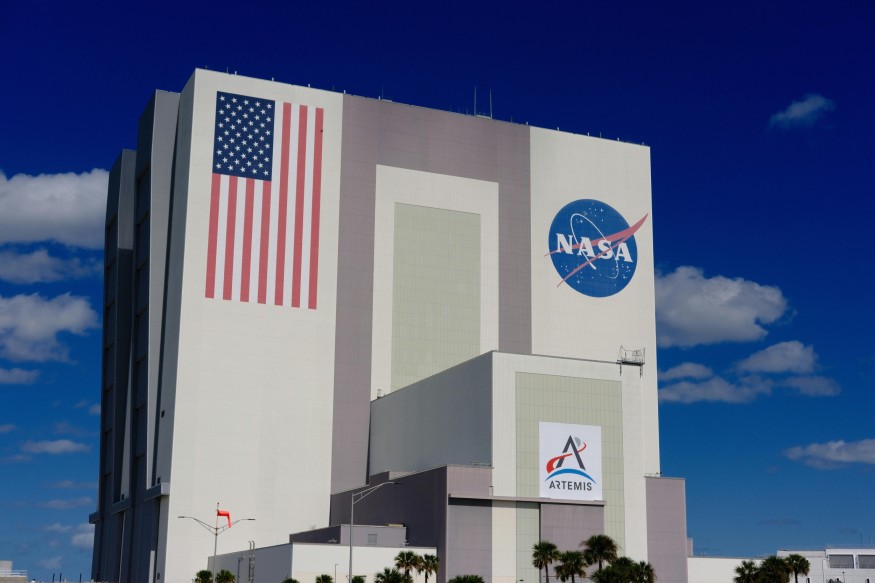
NASA's Artemis II rocket launch faces delays after the Space Launch System (SLS) was rolled back to the Vehicle Assembly Building (VAB) at Kennedy Space Center. The rollback addressed a helium pressurization issue in the Interim Cryogenic Propulsion Stage (ICPS) upper stage, identified during wet dress rehearsals. Engineers also replaced batteries and inspected the flight termination system, ensuring safety for the first crewed Orion capsule mission. The 10-day lunar flyby mission, with astronauts Reid Wiseman, Victor Glover, Christina Koch, and Canadian Space Agency astronaut Jeremy Hansen, will follow Artemis I's uncrewed success but now awaits a revised launch window in April.
The 322-foot SLS stack completed a slow, 4-mile journey atop the crawler-transporter, arriving in the VAB for high bay access. Technicians are running diagnostics, purging the ICPS helium system, and verifying repressurization procedures to prevent future malfunctions. After the second successful wet dress rehearsal, these repairs aim to clear all hurdles for a safe Artemis II mission while preserving the April opportunities for launch.
NASA Artemis II Rocket Rollback
The Artemis II rocket rollback began on February 25 at 9:28 a.m. EST, moving the 11-million-pound stack along a carefully prepared crawlerway. The process allowed engineers to access the upper stage helium tanks and perform critical repairs in confined spaces using lockout-tagout procedures to ensure safety. High bay platforms and scaffolding provided secure working positions for inspection and maintenance of cryogenic systems.
Previous wet dress rehearsals revealed hydrogen leaks and cryogenic flow issues. Addressing these problems required purging helium lines, monitoring pressure decay, and verifying all o-rings and quick disconnect interfaces. The rollback also enabled battery replacements for the upper stage flight termination system, critical for range safety during launch.
Artemis II Rocket Repairs Timeline
Repairs focus on the ICPS helium flow blockage and routine maintenance of cryogenic systems. Engineers are inspecting regulators, solenoid valves, sensors, and telemetry to detect anomalies and confirm root causes. Lithium-ion and manganese dioxide batteries in the upper stage are being replaced and tested to ensure charge retention during long-duration storage and launch operations.
The second wet dress rehearsal validated hydrogen leak mitigations. Pressure decay testing and hydrotesting confirmed system integrity. These repair activities address multiple SLS complexities accumulated over decades, including core stage integration, booster assembly, and Orion processing, ensuring the Artemis II launch can proceed safely once all systems pass verification.
Artemis II Launch Delay Impacts
The Artemis II launch delay affects mission timing and subsequent Artemis program milestones. Postponing the lunar flyby shifts planning for Artemis III and impacts preparation for the Human Landing System on the lunar south pole. International collaboration with ESA, CSA, and other partners remains critical for Gateway deployment, lunar orbital operations, and resource utilization planning.
Lessons learned from Artemis I and II rollbacks inform corrective measures: improved cryogenic handling, standardized procedures, augmented reality support for technicians, and error-proofing through poka-yoke checks. These adjustments strengthen crew safety, mission reliability, and the Artemis cadence, supporting a sustained human presence on the Moon and future Mars exploration technology demonstrations.
© 2026 ScienceTimes.com All rights reserved. Do not reproduce without permission. The window to the world of Science Times.


