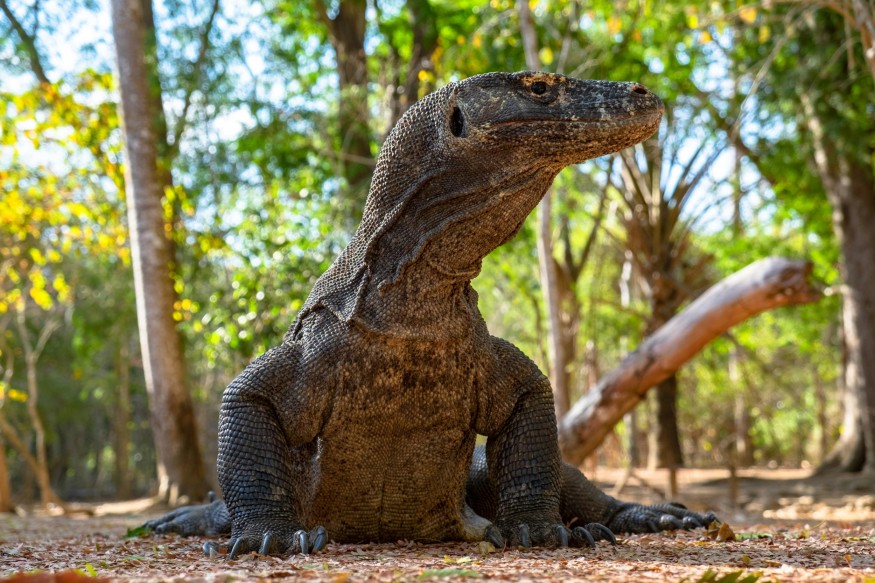
Giant Komodo dragons, Earth's largest lizards, navigate a world where rising temperatures and shifting seas reshape their island domains. These apex predators, native to Indonesia's rugged Lesser Sunda islands, rely on specific environments for hunting and survival, but environmental pressures test their resilience.
Where Do Komodo Dragons Live?
Komodo dragons stake their claim across select Indonesian islands in the Lesser Sunda chain. Key spots in their komodo dragon habitat include:
- Komodo Island: The namesake stronghold with vast savannas and ridges, core of Komodo National Park.
- Rinca Island: Dense with prey-rich lowlands and steep hills, a hotspot for nesting and hunting.
- Flores Island: Features volcanic forests and coastal plains where dragons roam mainland fringes.
- Gili Motang: Smaller, isolated isle with scrublands vital for gene flow between populations.
- Gili Dasami: Remote outpost of arid terrain, supporting fringe groups amid climate pressures.
These lizards, stretching up to 10 feet long and weighing over 200 pounds, favor open areas where they can bask on sun-warmed rocks to regulate their body temperature. Low valleys and sandy beaches serve as prime nesting spots, where females dig burrows to lay clutches of up to 30 eggs during the dry season.
This patchwork of terrain supports their carnivorous lifestyle. They stalk deer, wild pigs, and smaller reptiles, using keen senses and a venomous bite to subdue meals that can take days to digest. Waterholes scattered amid the scrub draw prey, making these zones hotspots for ambushes. Yet, the komodo dragon habitat remains compact—totaling less than 650 square miles—leaving little room for expansion without bumping into human settlements or sheer ocean barriers. Seasonal monsoons flood lowlands, forcing the dragons uphill, a pattern now amplified by erratic weather tied to broader climate trends.
Elevation plays a key role too. Higher ridges offer shade and refuge from midday heat, while coastal mangroves provide cover for scavenging washed-up carrion. Younger dragons stick to trees for safety from cannibals among their own kind, descending as they grow. This dynamic ecosystem, once stable for millennia, now faces encroachment from rising seas that nibble at shorelines, squeezing the available komodo dragon habitat into narrower bands.
Are Komodo Dragons Affected by Climate Change?
Komodo dragons feel the heat—literally—from accelerating climate change. As global temperatures climb, their ectothermic nature demands precise environmental cues for activity. Prolonged droughts parch water sources, stressing both the lizards and their prey populations. Deer and pigs, staples of their diet, thin out in desiccated landscapes, compelling dragons to travel farther and burn more energy on hunts that yield slimmer rewards.
Sea-level rise poses an even sharper threat. Projections suggest low-lying areas, critical for nesting, could vanish under 1-2 feet of water by mid-century, wiping out up to a third of current ranges. Warmer sands disrupt egg incubation, where precise heat levels determine hatchling success. Females already face challenges; skewed sex ratios from hotter nests produce more males, potentially bottlenecking reproduction down the line.
Researchers at the University of Adelaide have tracked these shifts, noting how heatwaves push dragons into lethargy, curbing their hunting prowess. Prey dynamics falter too—overheated herbivores weaken, altering food chains. In small-island populations, these pressures compound inbreeding risks, as fragmented groups struggle to mingle. Komodo dragon climate change isn't abstract; its reshaping behaviors, from extended basking sessions to riskier forays into unfamiliar turf.
Human factors layer on top. Tourism swells in Komodo National Park, drawing 300,000 visitors yearly, but unregulated boats stir sediment and disrupt coastal nurseries. Fires set for grazing clear forests faster under dry spells, eroding soil that dragons need for burrows. While resilient, these giants teeter on adaptation's edge, their low numbers—around 3,000 adults—offering scant buffer against cascading changes.
How Does Climate Change Affect Komodo Dragons Habitat?
The komodo dragon habitat shrinks under dual assaults: inundation from swelling oceans and desiccation from erratic rains. Coastal flats, once teeming with nests, submerge as tides creep inland, salinizing freshwater pools dragons depend on for hydration. Mangrove fringes, buffers against storms, drown or bleach from warmer waters, stripping away foraging grounds.
Inland, forests wither. Monsoon failures—down 20% in recent decades—turn lush ridges into brittle scrub, slashing vegetation that sustains herbivores. Pigs root less in barren soil, deer cluster near vanishing streams, and dragons follow, stretching territories thin. Fragmentation isolates islands like Gili Motang, where populations can't swap genes, heightening vulnerability to disease or disasters.
Soil erosion accelerates too. Heavier downpours, when they hit, gouge gullies, undermining burrows and scattering eggs. Warmer nights erode the cool refuges dragons seek, spiking metabolic stress. The San Diego Zoo's wildlife experts highlight how these shifts mirror broader reptile woes, with komodo dragon climate change accelerating habitat loss at rates unseen in fossil records.
Vectors like invasive species exploit the chaos. Rats and snakes hitch rides on boats, outcompeting native prey or spreading pathogens. Coral reefs, fringing islands, vital for fish that indirectly support land food webs, bleach en masse during marine heatwaves. This interconnected unraveling forces dragons into marginal zones—steeper slopes or human fringes—where encounters turn deadly.
Can Komodo Dragons Survive Climate Change?
Survival odds hinge on agility and intervention. Komodo dragons boast traits primed for flux: strong swimmers capable of island-hopping miles offshore, and a flexible diet that includes carrion when live hunts falter. Some evidence points to uphill migrations, colonizing cooler highlands as lowlands flood, expanding into underused ridges.
Protected zones anchor hope. Komodo National Park spans 603 square miles, patrolled to curb poaching and fires. Rangers install shade sails over nesting beaches and drill artificial ponds, easing heat burdens. Genetic studies guide translocations, swapping individuals between islands to bolster diversity.
Global emission curbs matter most. Stabilizing at 1.5°C might spare half their habitat; unchecked warming dooms it. Local efforts shine—community rangers on Rinca monitor nests, while drone surveys map shifting ranges. Challenges persist: tourism strains resources, and political will wavers amid economic lures like mining.
Yet, dragons persist. Historical bottlenecks, like volcanic blasts 50,000 years ago, pruned their numbers without erasure. Today's toolkit—tech, policy, awareness—outstrips nature's alone. Komodo dragon climate change tests limits, but targeted action could tilt scales toward endurance.
What Will Happen If Komodo Dragons Go Extinct?
Komodo dragons anchor island ecologies as top predators, curbing herbivore booms that would strip savannas bare. Without them, deer and pigs explode, overgrazing grasses and shrubs, sparking soil loss and flash floods. Smaller carnivores like monitor lizards step in clumsily, failing to fill the niche, letting carrion pile up and disease fester.
Economies reel too. Ecotourism pumps $30 million annually into local villages, funding schools and clinics via park fees. Their iconic status draws global eyes, spotlighting conservation. Extinction dims that beacon, gutting jobs for guides and cooks reliant on dragon safaris.
Biodiversity cascades. Scavenging roles vanish, bloating corpses that poison waterholes. Pollinators and seed-dispersers falter in grazed-out zones, homogenizing flora. This mirrors losses elsewhere—top predator gaps unravel webs, from wolves in Yellowstone to sharks in reefs.
Komodo Dragons' Battle with Shifting Climates
Field teams now tag dragons with GPS collars, revealing treks into novel terrains as komodo dragon habitat contracts. Models pinpoint "safe havens"—elevated plateaus projected to stay viable through 2100—guiding fenced corridors for safe passage. Initiatives like these, blending tech and tradition, chart paths forward.
Villagers partner in patrols, trading lore for training, while scientists sequence genomes to flag at-risk lineages. International funding funnels into reef restoration, indirectly bolstering land chains. Each step confronts komodo dragon climate change head-on, weaving resilience into a fragile tapestry.
Frequently Asked Questions
1. Where do Komodo dragons primarily live?
Komodo dragons inhabit a few Indonesian islands in the Lesser Sunda chain, such as Komodo, Rinca, Flores, Gili Motang, and Gili Dasami. These areas offer a mix of dry savannas, forests, and coastal ridges suited to their needs.
2. How does climate change impact Komodo dragon habitat?
Rising sea levels threaten to flood low-lying nesting areas, potentially reducing suitable komodo dragon habitat by 30% or more by mid-century. Warmer temperatures and droughts also shrink prey populations and stress the lizards' thermoregulation.
3. Are Komodo dragons endangered due to climate change?
Their IUCN status shifted to Endangered partly from komodo dragon climate change effects like habitat loss and isolation. Populations outside protected zones face higher risks from these shifts combined with human pressures.
Originally published on natureworldnews.com


