Animals in cold or unpredictable environments face a basic problem: winter brings low temperatures and little food, but survival still requires energy. Hibernation and torpor are strategies that allow animals to slow their metabolism, reduce energy use, and stretch stored reserves.
Comparing hibernation vs torpor reveals how these states support winter energy conservation in different but related ways.
Hibernation vs Torpor: What's the Difference?
Hibernation and torpor look similar from the outside: the animal is still, cool, and hard to rouse. However, hibernation is a long-term, seasonal state, while torpor is short-term and often used daily or occasionally.
In hibernation, an animal's metabolism slows dramatically for weeks or months. Heart rate, breathing, and body temperature plunge to a small fraction of normal levels, allowing survival on stored fat alone.
Torpor usually lasts for hours or, at most, a few days, and the drop in metabolism and body temperature is less extreme. Hibernation functions like a deep, seasonal shutdown; torpor acts more like a targeted, short-term power-saving mode.
Many biologists view hibernation as a series of long torpor bouts separated by brief arousals. That perspective shows that hibernation vs torpor is a matter of degree: both are forms of controlled metabolic depression, differing mainly in intensity, duration, and flexibility.
How Hibernation Works: Metabolism in Slow Motion
During hibernation, metabolism can fall to only a tiny fraction of normal. Heart rate slows from hundreds of beats per minute to just a few, and breathing may become extremely shallow and infrequent. Body temperature often drops close to the surrounding environment, especially in small mammals like ground squirrels.
This deep suppression of metabolism allows animals to survive for long periods without eating. Before winter, hibernators build up large fat reserves, which fuel them through the hibernation period. Instead of constantly searching for scarce food, they minimize almost every energy cost, from movement to digestion.
Hibernation is not a single, continuous sleep. Most hibernators cycle between extended torpor bouts and brief arousals, during which body temperature rises and brain activity becomes more typical.
These arousals may help maintain immune function, repair tissues, and handle waste products. Even in deep torpor, the animal's physiology remains actively regulated for long-term winter energy conservation.
Do Animals Sleep During Hibernation?
A frequent question in any discussion of hibernation vs torpor is whether hibernating animals are just sleeping. Evidence shows that hibernation is a distinct state, not simply deeper sleep.
Sleep has characteristic brain wave patterns and occurs at normal body temperatures, whereas hibernation is a specialized hypometabolic condition with very low body temperature.
Hibernating animals are difficult to wake because their nervous system is operating slowly and their bodies are cold. To become active, they must first warm up, often through shivering or internal heat production.
This rewarming step takes time and energy. For this reason, hibernation is better described as a controlled physiological shutdown designed for survival, not an extended form of ordinary rest.
How Torpor Works: Short-Term Energy Savings
Torpor is a more flexible, short-term version of metabolic slowing. During torpor, metabolism decreases, body temperature falls, and energy use drops, but not to the extreme degree seen in prolonged hibernation.
Many small mammals and birds enter torpor for a few hours, commonly overnight when temperatures are lowest and foraging is impossible.
Daily torpor is common in animals with very high energy demands, such as hummingbirds. These birds spend the day burning large amounts of energy to fuel flight.
At night, when nectar is unavailable and temperatures drop, they enter torpor to cut their metabolic costs. This nightly strategy prevents them from exhausting their energy reserves.
Because torpor can be entered and exited quickly, animals use it in response to immediate conditions such as sudden cold or short-term food shortages. That flexibility makes torpor a valuable tool wherever conditions change rapidly but do not require full seasonal hibernation.
Is Torpor the Same as Sleeping?
Torpor is not the same as normal sleep. During sleep, body temperature and metabolism fall only slightly and animals can wake quickly. In torpor, both drop much more, and the animal must spend time and energy rewarming before it can move and respond normally.
This difference shows that torpor is a survival mechanism rather than simple rest. Animals trade some responsiveness to predators or opportunities for a significant reduction in energy use. In tough conditions, that trade can mean the difference between survival and starvation.
Read more: Baby Armored Dinosaurs Show Ankylosaur Hatchlings With Natural Armor and Powerful Early Protection
Triggers and Physiology: How Animals Slow Their Metabolism
Hibernation and torpor depend on internal systems that respond to external cues. Shorter days, colder temperatures, and shifting food availability signal that winter is approaching or that conditions are becoming difficult. Hormones and internal clocks then adjust behavior and physiology.
At the cellular level, metabolism becomes more flexible. Many hibernators shift heavily toward burning fat, which stores more energy per unit weight than other fuels.
Cells adjust how they handle oxygen and protect sensitive structures from damage during low blood flow and low temperature. These adaptations allow animals to enter and leave hibernation or torpor repeatedly without severe harm.
Researchers study these processes not only to understand ecology but also for potential medical uses, such as organ preservation, trauma care, and the long-term goal of managing human metabolism in extreme situations.
Species Examples: Who Uses Hibernation and Who Uses Torpor?
Classic hibernators include ground squirrels, marmots, certain bats, and some other small mammals that retreat into burrows or dens for most of winter. They spend the season in repeated torpor bouts that, together, constitute hibernation.
Torpor is common among small birds and mammals that face intense daily energy demands. Hummingbirds, small songbirds, some marsupials, and many rodents use torpor to survive cold nights or brief shortages of food.
Even within a species, individuals may vary how often and how deeply they enter torpor based on local conditions.
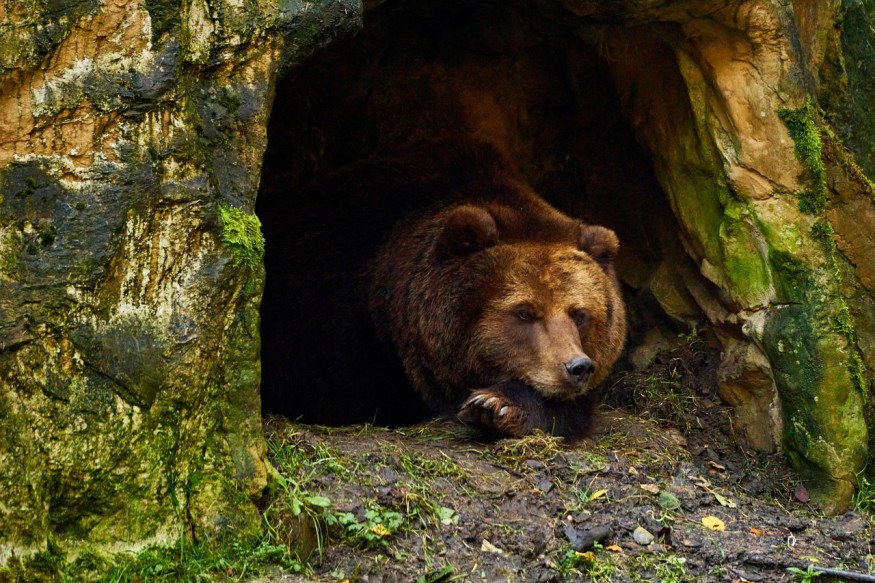
Bears are often discussed in the context of hibernation vs torpor. They remain in dens for months, do not eat or drink, and significantly reduce metabolism, yet their body temperature drops less than in small hibernators.
Some experts call this hibernation; others consider it a specialized form of torpor. In practice, it is a powerful example of winter energy conservation in a large mammal.
Hibernation vs Torpor: Metabolic Mastery in Seasonal Survival
Side by side, hibernation vs torpor reveals a spectrum of metabolic strategies that help animals survive cold, scarcity, and seasonal stress.
Hibernation provides long-term, extreme energy savings for months, while torpor offers short-term, flexible savings that can be used nightly or during brief crises. Both rely on precise control of metabolism, body temperature, and energy use.
These strategies demonstrate how animals match their physiology to the challenges of their environments. By understanding hibernation, torpor, and the broader concept of winter energy conservation, it becomes clear that nature has evolved highly sophisticated solutions for surviving the hardest times of year.
Frequently Asked Questions
1. Can an animal use both hibernation and torpor in the same year?
Yes. Some species use daily torpor in milder seasons and then enter longer, deeper hibernation bouts when winter conditions become more severe.
2. Do animals lose muscle during hibernation like humans do when inactive?
Hibernators are surprisingly resistant to muscle loss. Their physiology is adapted to recycle proteins and maintain muscle and bone despite long periods of inactivity.
3. How do young animals learn when to hibernate or enter torpor?
Timing is largely controlled by internal biological clocks and hormones, but young animals also respond to environmental cues like temperature and day length.
4. Can climate change affect hibernation and torpor patterns?
Yes. Warmer winters and shifting food availability can alter when animals enter or leave hibernation and how often they rely on torpor, potentially disrupting survival and breeding.
© 2026 ScienceTimes.com All rights reserved. Do not reproduce without permission. The window to the world of Science Times.


