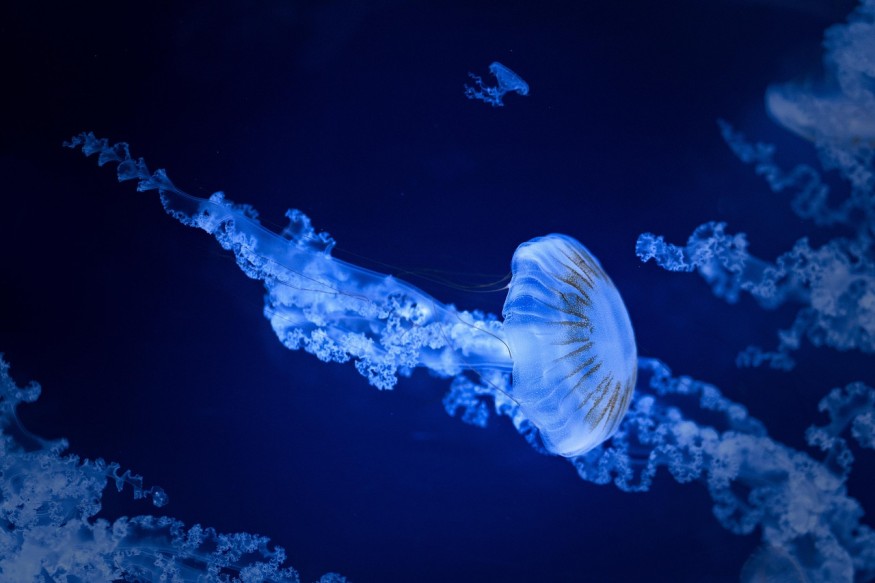
Deep beneath the ocean's surface, where sunlight cannot reach, life has evolved a remarkable way to survive: bioluminescence. This natural glow, produced through specialized light-producing chemistry, is one of the most fascinating adaptations in marine biology.
From eerie flashes to steady glows, deep-sea bioluminescence plays a crucial role in how organisms hunt, communicate, and defend themselves in one of Earth's most extreme environments.
Introduction to Deep-Sea Bioluminescence
The deep sea is a world of near-total darkness, with pressures that would crush most surface-dwelling organisms. In this environment, bioluminescence is not just a curiosity, it is a necessity. Many deep-sea species rely on their ability to produce light to navigate, find food, and avoid predators.
Unlike surface animals that depend on sunlight, these organisms generate their own illumination using internal chemical reactions. This process, known as deep-sea bioluminescence, is widespread, with estimates suggesting that more than 75% of deep-sea creatures can produce light in some form.
What Is Bioluminescence?
Bioluminescence is the production and emission of light by living organisms. It occurs in a variety of marine species, including jellyfish, squid, and fish like the anglerfish.
The glow is created through a biochemical reaction inside the organism's body. This reaction converts chemical energy into light energy, producing visible illumination without significant heat. Because of this efficiency, it is often referred to as "cold light."
What causes bioluminescence in the ocean?
The glow seen in the ocean is triggered by chemical reactions involving specialized molecules. Movement in the water, the presence of predators, or even mating behaviors can activate these reactions. In many cases, organisms emit light in response to physical disturbance, creating shimmering waves of glowing blue or green.
The Chemistry Behind Bioluminescence
At the core of light-producing chemistry are two key components: luciferin and luciferase. Luciferin is the molecule responsible for emitting light, while luciferase is the enzyme that catalyzes the reaction.
When luciferin reacts with oxygen, it releases energy in the form of light. This process is highly efficient, producing minimal heat compared to artificial light sources. Different species have evolved variations of this chemical system, resulting in a range of light colors and intensities.
How does luciferin work?
Luciferin undergoes an oxidation reaction when it interacts with oxygen. This reaction releases energy, which is emitted as light. The presence of luciferase speeds up this reaction, ensuring that the light can be produced quickly and on demand.
Why is bioluminescence called cold light?
Unlike a light bulb, which generates heat along with light, bioluminescence produces very little thermal energy. Nearly all the energy from the chemical reaction is converted into visible light, making it extremely efficient and ideal for survival in energy-limited environments like the deep sea.
Specialized Structures: Photophores
Many deep-sea organisms have evolved specialized organs called photophores, which are dedicated to producing and controlling light. These structures can be found on different parts of the body, including the belly, sides, or even near the eyes.
Photophores allow organisms to adjust the brightness, color, and pattern of their glow. Some species can even produce flashing signals or coordinated light displays, which serve specific biological functions.
What are photophores in marine animals?
Photophores are light-emitting organs that contain the chemicals and structures needed for bioluminescence. In some cases, they also include reflectors and lenses that help direct and amplify the light. Fish like lanternfish and dragonfish use these organs to create precise lighting effects in the dark ocean.
Functions of Bioluminescence in Deep-Sea Creatures
In the deep ocean, survival depends on adaptation, and deep-sea bioluminescence serves multiple purposes.
- Camouflage: Some species use a technique called counter-illumination, where they match the faint light from above to hide their silhouettes from predators below.
- Predation: Predators like the anglerfish use glowing lures to attract unsuspecting prey.
- Communication: Light signals can help organisms identify mates or members of their species.
- Defense: Sudden flashes of light can startle predators, while others release glowing clouds to distract attackers.
Why do deep-sea animals glow?
Deep-sea animals glow primarily for survival. In an environment without sunlight, producing light provides a major advantage, whether for finding food, avoiding danger, or reproducing successfully.
How do fish use bioluminescence to hunt?
Some fish, such as the anglerfish, use a glowing appendage as bait. The light attracts smaller animals, which are then quickly captured. Other predators may use flashes of light to confuse or illuminate prey before attacking.
Types and Colors of Bioluminescent Light
Most bioluminescence in the ocean appears blue or green. These colors travel farther through water, making them more effective for communication and visibility in the deep sea.
However, some species produce unusual colors. Dragonfish, for example, can emit red light, which is nearly invisible to most other deep-sea creatures. This gives them a unique advantage when hunting, as they can see their prey without being detected.
What color is most common in ocean bioluminescence?
Blue is the most common color because it penetrates water most efficiently. Green is also common, while red is rare due to its limited range in underwater environments.
Evolution and Adaptation
Bioluminescence has evolved independently in multiple lineages, a process known as convergent evolution. This suggests that the ability to produce light offers significant survival benefits in dark environments.
Some species generate their own luciferin, while others rely on symbiotic bacteria that live within their bodies. These bacteria produce light as part of their metabolic processes, forming mutually beneficial relationships with their hosts.
Did bioluminescence evolve more than once?
Yes, scientists believe bioluminescence has evolved dozens of times across different groups of organisms. This repeated evolution highlights its importance as an adaptive trait in the deep sea.
Human Applications of Bioluminescence
The study of light-producing chemistry has led to important advancements in science and medicine. Researchers use luciferin-based systems to track cellular processes, detect diseases, and monitor gene expression.
Bioluminescent markers are commonly used in laboratory settings because they provide a clear and measurable signal. In environmental science, glowing organisms can help detect pollution or changes in ecosystems.
How is bioluminescence used in science?
Scientists use bioluminescence as a tool for imaging and analysis. For example, cells can be engineered to produce light when certain genes are active, allowing researchers to observe biological processes in real time.
Why Bioluminescence Matters in the Deep Sea
Bioluminescence is more than a visual spectacle, it is a fundamental part of life in the ocean's depths. Through complex light-producing chemistry involving luciferin and specialized structures like photophores, deep-sea organisms have developed ways to thrive in complete darkness.
Understanding deep-sea bioluminescence not only reveals how life adapts to extreme conditions but also opens the door to innovations in science and technology.
From medical research to environmental monitoring, the same natural processes that light up the ocean continue to inspire new discoveries, showing that even in the darkest places, life finds ways to shine.
Frequently Asked Questions
1. Can humans safely interact with bioluminescent organisms?
Most are harmless, but some (like certain jellyfish) can sting, so direct contact should be avoided.
2. Is bioluminescence found outside the ocean?
Yes, it also occurs in fireflies, fungi, and some insects on land.
3. How deep can bioluminescent organisms live?
They can be found from midwater zones to depths beyond 4,000 meters, depending on the species.
4. Do all glowing marine animals produce their own light?
No, some rely on symbiotic bacteria to generate their bioluminescence.
© 2026 ScienceTimes.com All rights reserved. Do not reproduce without permission. The window to the world of Science Times.


