Veterinary clinics can now follow an animal's oxygenation, circulation, and anesthetic depth with precision. Safer monitoring, however, still depends on trained personnel who can interpret the patient's condition across anesthesia, sedation, and recovery, according to the 2025 update from the American College of Veterinary Anesthesia and Analgesia.
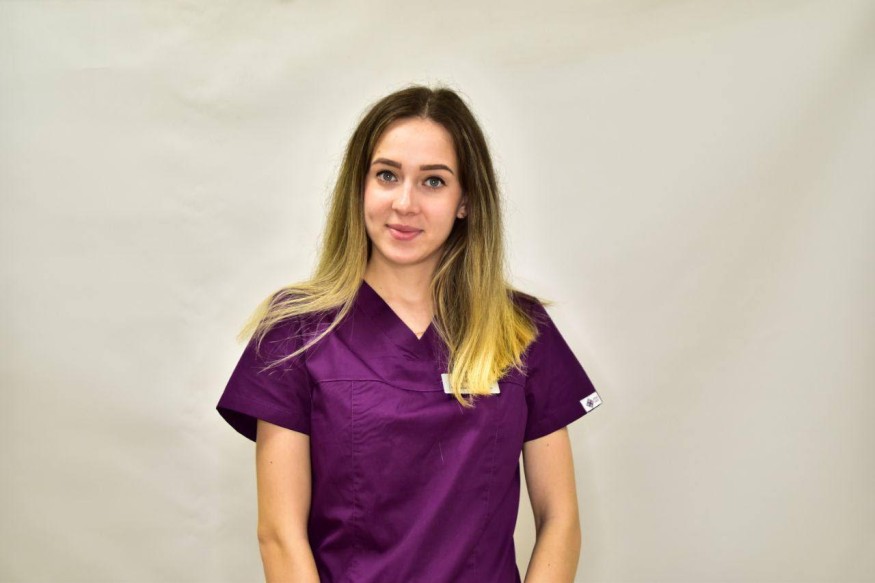
Monitoring technology is essential, but it is only as effective as the trained person beside the patient, reading subtle physical changes and knowing when to act, international veterinary professional Yelyzaveta Shudrenko is sure. She began her career in Ukraine and later moved into the fast-paced environment of American emergency veterinary care. Now working as a veterinary technician at PetER, she assists with anesthesia management, surgical support, patient monitoring, and emergency stabilization, which allows doctors to perform procedures more safely and efficiently. She shares practical knowledge with colleagues and assists in training newer team members in areas such as anesthesia monitoring, patient handling, and recognition of early clinical deterioration.
For her, clinical observation is the layer of judgment that gives equipment meaning. A monitor can show a trend, but a trained technician may notice the physical change that explains why the trend matters:
"There were moments when attention to non-obvious details, such as muscle tone, mucous membrane color, or respiratory pattern, allowed for the identification of serious systemic diseases before they became fatal," Yelyzaveta says.
The ACVAA update gives that kind of observation a stronger institutional context. The guidelines describe a clinical system in which trained personnel, physical observation, equipment, checklists, and communication all work together. The document also expands attention to sedation, recovery, neuromuscular blockade, and cognitive aids, reflecting how much veterinary anesthesia has changed over the past 16 years.
Yelyzaveta's own path helps explain why this matters in daily practice. In Ukraine, she worked across general and emergency veterinary care and developed hands-on experience with surgical assistance, anesthesia, and critical patients. After relocating to the United States, she had to adjust to new protocols, documentation standards, communication expectations, and hospital workflows while continuing to perform in a high-volume clinical environment. That transition sharpened a central part of her work: reading the patient continuously, not waiting for a crisis to announce itself.
One case from her practice shows the same logic outside the operating room. A cat presented with hyphema, or bleeding inside the eye. On its own, the symptom could have been treated as an ocular problem. Yelyzaveta recognized it as a possible sign of systemic arterial hypertension, later linked to underlying renal disease. The cat was hospitalized, monitored, and treated for both the eye condition and the underlying cause. After several days of inpatient care, the patient improved and was discharged.
The case underscores a larger point about emergency veterinary care. A veterinary technician is not simply an extra pair of hands in the room. The doctor diagnoses and directs treatment, but the technician is often the person closest to the patient when the first warning sign appears. A change in breathing, eye color, muscle tone, or behavior can shift a case from routine care to urgent intervention. In Yelyzaveta's practice, that vigilance has become part of her professional value. Her work in anesthesia support, surgical assistance, patient monitoring, and emergency stabilization helps doctors act sooner and with a fuller clinical picture. In some cases, that early observation can be the difference between treating a visible symptom and catching the disease process behind it.
This is also why Yelyzaveta treats communication as part of clinical safety. Emergency veterinary medicine places technicians between the patient, the doctor, the equipment, and the owner, often under emotional pressure. The technician must notice changes, report them clearly, support the medical team, and help owners understand what is happening without creating false reassurance or unnecessary panic.
"Emergency veterinary care is a dual discipline," Yelyzaveta says. "While we fight for the animal's survival, we must also navigate the intense emotional landscape of the people who love them. I view clear communication and steady support for the owner not merely as a courtesy but as a component of healing as essential as the medicine we prescribe."
In daily work, Yelyzaveta helps less experienced colleagues build the habits that make monitoring safer, from careful anesthesia observation to proper patient handling and earlier recognition of clinical decline. This turns bedside awareness into a shared clinical practice, one that can be passed from one team member to another and reinforced throughout the hospital.
That is where the broader significance lies. Veterinary medicine is becoming more technological, and it should. Better monitors, standardized checklists, digital records, and eventually AI-assisted tools can help teams detect risk and reduce error. But the 2025 ACVAA guidelines underscore the condition that makes those tools clinically useful: a trained person must stay close enough to the patient to see what the machine cannot fully interpret.
Yelyzaveta Shudrenko's experience points to the conclusion from the floor of emergency practice. The future of veterinary care will not be defined by rejecting technology or romanticizing instinct. It will depend on combining technical monitoring with disciplined human attention. In the moments when an animal cannot speak, that attention remains one of medicine's most important instruments.
© 2026 ScienceTimes.com All rights reserved. Do not reproduce without permission. The window to the world of Science Times.


