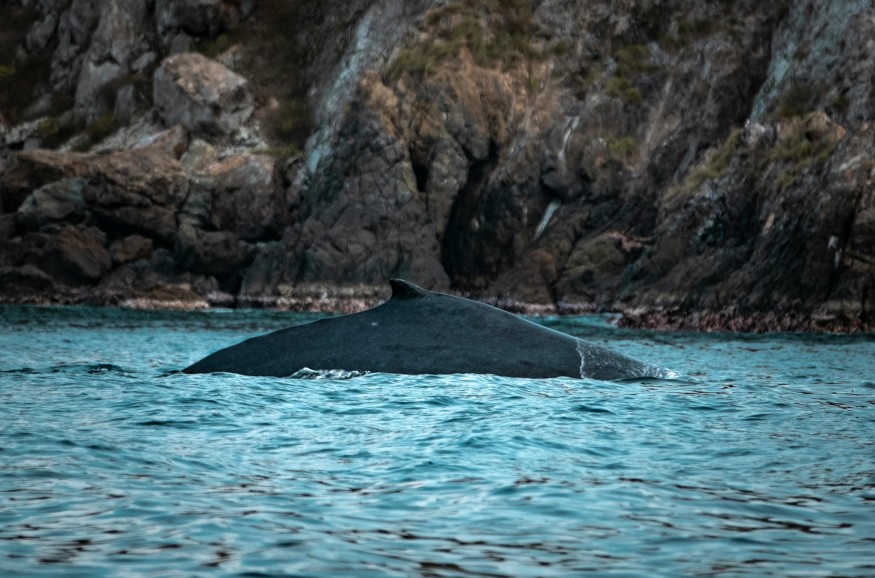
A newly documented humpback whale migration is changing what scientists thought they knew about whale behavior. Marine researchers recently confirmed that a humpback whale traveled more than 15,000 kilometers between Brazil and Australia, setting what may be the longest confirmed whale migration record ever documented for the species. The discovery has sparked major interest among marine biologists because humpback whales are usually believed to follow inherited migration routes that stay within specific ocean regions.
Scientists Confirm an Extraordinary Whale Migration Record
The whale migration record was uncovered after scientists compared thousands of whale images using advanced identification databases and artificial intelligence tools. Humpback whales have unique markings underneath their tail flukes, allowing researchers to identify individuals much like fingerprints identify humans.
The remarkable 15,000 kilometer whale journey was identified through photographs collected decades apart. Researchers matched the whale's unique tail markings from sightings near Brazil in 2003 and Australia in 2025, revealing an extraordinary interocean movement that scientists had rarely observed before. According to researchers featured by ScienceDaily, the migration may reshape current understanding of humpback whale migration and population behavior.
Researchers found that the whale photographed in Brazil's Abrolhos Bank breeding area matched the same whale later documented near Australia's east coast. The straight-line distance between the sightings exceeded 15,000 kilometers, making the discovery especially surprising.
Marine scientists have long believed that humpback whale migration patterns remain relatively stable, with whales repeatedly returning to the same breeding and feeding grounds throughout their lives. This newly documented journey suggests some whales may occasionally cross between ocean basins and breeding populations far more than experts previously realized.
The study also highlighted the importance of international collaboration. Thousands of whale photographs submitted by researchers, tour operators, and citizen scientists helped confirm the whale's identity. Platforms like Happywhale, which uses AI-assisted image matching, have become increasingly important for tracking global whale populations.
Researchers interviewed by The Guardian noted that only two whales out of nearly 20,000 studied individuals showed this kind of interocean movement, proving how unusual the event remains.
Why Humpback Whale Migration Is So Important
Humpback whale migration is one of the largest seasonal movements in the animal kingdom. Every year, whales travel enormous distances between feeding grounds in colder waters and breeding grounds in tropical regions.
These migrations serve several important purposes:
- Access to food-rich feeding areas filled with krill and small fish
- Safer warm-water breeding environments for newborn calves
- Seasonal movement that supports reproduction and survival
Most humpback whales migrate between 5,000 and 8,000 kilometers annually, though some populations travel even farther. The newly confirmed 15,000 kilometer whale journey dramatically exceeds the migration distances normally observed within a single humpback whale population.
Scientists believe migrations are guided by a combination of instinct, memory, ocean conditions, and possibly even Earth's magnetic fields. Whale songs and social learning may also play a role in teaching migration routes to younger whales.
The National Oceanic and Atmospheric Administration, often called NOAA, has previously explained that humpback whales can spend months traveling between polar feeding regions and tropical breeding grounds. Yet even with decades of whale research, this newly documented migration surprised experts because it crossed major oceanic boundaries that whales were not thought to commonly traverse.
Could Climate Change Be Affecting Whale Migration?
Many researchers are now asking whether environmental change may be influencing whale behavior. Ocean ecosystems are rapidly shifting because of warming seas, changing currents, and declining Antarctic sea ice.
These environmental shifts can affect the distribution of krill, one of the primary food sources for humpback whales. If prey populations move into new regions, whales may adapt their migration routes in response. Scientists have observed several possible climate-related impacts on marine migration:
- Changes in ocean temperature
- Altered prey availability
- Shifts in breeding habitat conditions
- Longer feeding seasons in polar waters
- Increased sightings of whales in unusual locations
While researchers cannot directly connect this whale migration record to climate change, many believe environmental stressors may contribute to changing whale movement patterns.
A report discussed by BBC News in previous whale migration coverage noted that marine mammals are increasingly responding to changing ocean ecosystems. Scientists continue studying whether future humpback whale migration routes may become more unpredictable as ocean conditions evolve.
Fascinating Facts About the 15,000 Kilometer Whale Journey
The story behind this humpback whale migration has fascinated both scientists and wildlife enthusiasts. Several details about the journey stand out:
- The whale crossed multiple ocean regions between South America and Australia
- Researchers tracked the migration using photographs taken over more than two decades
- Tail fluke identification made the discovery possible
- AI-assisted databases helped scientists match the whale images
- The migration may represent previously unknown whale population mixing
The discovery also raises questions about humpback whale communication.
Researchers have previously documented how whale songs can spread across populations over time. Some scientists now wonder whether rare long-distance travelers may help transfer songs and behaviors between distant whale groups.
Humpback whales are already known for their intelligence, complex vocalizations, and dramatic surface behaviors like breaching and tail slapping. Their migrations remain one of the most impressive examples of long-distance animal movement on Earth.
Why Whale Conservation Still Matters
Although humpback whale populations have recovered significantly since commercial whaling bans were introduced, the species still faces several threats worldwide.
Major conservation concerns include:
- Ship collisions
- Fishing gear entanglement
- Ocean noise pollution
- Habitat degradation
- Climate-driven ecosystem changes
International conservation programs continue working to protect whale migration corridors and feeding habitats. Marine protected areas, stricter shipping regulations, and long-term whale monitoring projects are helping scientists better understand how whales move through increasingly complex ocean environments.
Researchers say discoveries like this whale migration record show why international cooperation is essential. Whales do not recognize national borders, meaning their survival depends on coordinated global conservation efforts.
The 15,000 kilometer whale journey is now providing scientists with valuable insight into how flexible and adaptable humpback whale migration may actually be. As tracking technology improves and global whale databases expand, researchers believe even more surprising migration stories could emerge in the future.
What This Historic Humpback Whale Migration Reveals
The newly documented humpback whale migration is more than just a record-breaking journey. It offers a rare glimpse into the hidden complexity of ocean life and the extraordinary capabilities of marine mammals.
Scientists once believed humpback whale populations remained largely separated by stable migration routes. This 15,000 kilometer whale journey suggests some whales may occasionally travel far beyond expected boundaries, potentially reshaping population genetics, communication patterns, and migration behavior.
Researchers continue studying how climate change, food availability, and environmental shifts may influence future whale migrations. The discovery also highlights the importance of long-term research programs and international scientific collaboration.
For marine biologists, the whale migration record is a reminder that even after decades of studying the oceans, many mysteries about whale behavior still remain unsolved.
Frequently Asked Questions
1. How far do humpback whales usually migrate?
Most humpback whale migration routes range between 5,000 and 8,000 kilometers annually, though some whales travel farther depending on feeding and breeding locations.
2. Why is the 15,000 kilometer whale journey important?
The journey may represent the longest confirmed humpback whale migration ever documented and suggests whales can occasionally cross between distant ocean populations.
3. How do scientists identify individual whales?
Researchers use photographs of whale tail flukes because each humpback whale has unique markings that remain recognizable over time.
Originally published on natureworldnews.com


