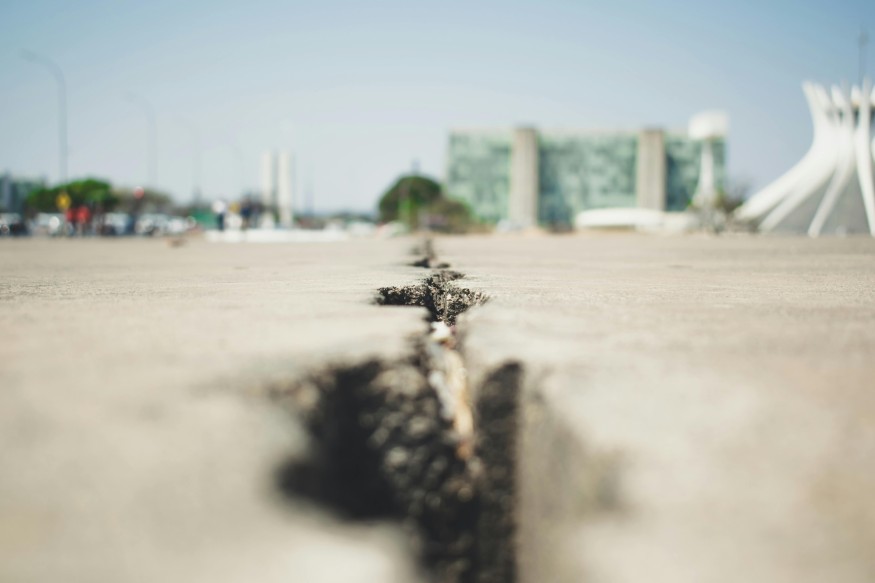
New research suggests Seattle earthquake faults may pose greater risks than previously believed, especially from hidden underground fault lines beneath the city. Scientists warn that shallow earthquakes in the Seattle Fault Zone could produce intense shaking in densely populated areas, adding to the Pacific Northwest's already complex seismic threats.
Why the Seattle Fault Zone Worries Scientists
The Seattle Fault Zone stretches east-west beneath the Seattle metropolitan area and across parts of Puget Sound. Researchers have known about the main fault for decades, but recent studies suggest the underground network may be more extensive than once believed.
Scientists use advanced seismic imaging, trench excavation studies, and sediment analysis to map these underground structures. According to researchers cited in ScienceDaily some secondary faults beneath Seattle appear capable of producing significant earthquakes of their own. Several factors make these buried faults especially concerning:
- Shallow earthquakes create stronger surface shaking
- Urban areas sit directly above parts of the fault system
- Soft soils can amplify seismic waves
- Older buildings may not meet modern seismic standards
- Transportation and utility systems could face widespread disruption
One of the biggest fears is that a Seattle Fault Zone earthquake could strike with little warning beneath densely populated neighborhoods. Because blind faults do not always leave clear surface traces, identifying every active structure remains difficult.
Geologists from the United States Geological Survey and university research teams continue studying how these underground faults interact with one another. Some researchers believe fault interaction may increase the complexity of future earthquake scenarios.
Ancient Earthquakes Reveal Seattle's Violent Geological History
Evidence shows the Seattle earthquake faults have produced major earthquakes in the past. Geological records point to a powerful earthquake around the year 923 CE that dramatically reshaped parts of the region.
Scientists discovered signs of sudden land uplift, tsunami deposits, and landslides linked to this prehistoric event. Coastal areas near Puget Sound appear to have risen several meters almost instantly during the earthquake. Researchers studying sediment layers found evidence that tsunami waves may have swept through nearby shorelines shortly afterward. These findings helped confirm that the Seattle
The Fault Zone earthquake system is capable of generating destructive seismic events. The region has also experienced more recent earthquakes, including the 2001 Nisqually earthquake. Although that quake originated deeper underground and caused less damage than a shallow crustal event might produce, it still disrupted transportation, damaged buildings, and injured residents.
According to research published by the University of Washington and discussed in several geological journals, shallow crustal earthquakes beneath Seattle could potentially produce even stronger local shaking than the Nisqually event.
Hidden Fault Lines Beneath Cities Create Unique Dangers
Hidden fault lines Seattle scientists study are part of a broader global concern involving buried seismic systems beneath major cities.
Unlike famous surface faults such as California's San Andreas Fault, blind faults remain concealed underground. Some of the world's deadliest earthquakes have occurred on previously unknown or poorly understood buried faults.
Several challenges make blind faults particularly dangerous:
- They are harder to map accurately
- Urban development may hide geological evidence
- Earthquake histories can be difficult to reconstruct
- Risk models may underestimate local hazards
Modern technology is helping researchers uncover more of these hidden structures. Scientists now use tools such as:
- Seismic reflection imaging
- GPS crustal movement tracking
- Underwater sediment mapping
- Ground-penetrating radar
- Three-dimensional geological modeling
Researchers cited by Axios noted that Seattle's underground geology can also amplify earthquake shaking. Sedimentary basins beneath parts of the city may trap and intensify seismic waves, potentially increasing damage during strong earthquakes.
What Could Happen During a Major Seattle Earthquake?
A large Seattle Fault Zone earthquake could have widespread consequences across the metropolitan area.
Infrastructure experts warn that strong shaking could affect:
- Bridges and elevated highways
- Rail systems and tunnels
- Airports and ports
- Water and gas pipelines
- Electrical grids and communication systems
Older unreinforced masonry buildings remain one of the biggest concerns. Many structures built before modern earthquake codes may be vulnerable to collapse or severe structural damage.
Landslides could also pose serious risks because Seattle contains steep hillsides and unstable slopes in some neighborhoods. Waterfront districts may face additional threats from liquefaction, where water-saturated soil temporarily behaves like liquid during strong shaking.
Economic disruption could extend far beyond Seattle itself. The city serves as a major transportation and technology hub, meaning earthquake impacts could ripple across national and international supply chains.
Scientists Still Cannot Predict Exact Earthquakes
Despite advances in earthquake science, predicting exactly when an earthquake will happen remains impossible.
Instead, researchers estimate long-term probabilities based on geological evidence, stress accumulation, and historical patterns. Scientists caution against using the word "overdue" too literally because earthquakes do not follow precise schedules.
The Seattle earthquake faults may remain quiet for long periods before suddenly rupturing again. Researchers continue studying how stress moves between different faults beneath the Pacific Northwest.
According to experts from the United States Geological Survey, preparedness remains the most effective defense against earthquake hazards. Building retrofits, emergency planning, and public awareness campaigns can significantly reduce injuries and damage during major seismic events.
Why New Research Matters for the Future
The growing understanding of hidden fault lines Seattle researchers are uncovering is changing how cities approach earthquake preparedness. Updated hazard maps may influence:
- Future building codes
- Infrastructure reinforcement projects
- Emergency evacuation planning
- Transportation system upgrades
- Public safety strategies
Scientists believe ongoing research will continue revealing more details about the underground structures beneath Seattle and surrounding areas.
As seismic imaging technology improves, experts hope to better understand how the Seattle
Fault Zone earthquake system behaves and which areas face the greatest risks. While no one can prevent earthquakes, better knowledge of underground fault networks may help communities prepare more effectively for future disasters.
Frequently Asked Questions
1. Is Seattle built on active earthquake faults?
Yes. Seattle sits near several active fault systems, including the Seattle Fault Zone, which runs beneath parts of the metropolitan area and Puget Sound.
2. Why are hidden fault lines dangerous?
Hidden or blind faults remain buried underground, making them harder to identify and study. They can still produce powerful earthquakes capable of severe local damage.
3. Could Seattle experience a major earthquake soon?
Scientists cannot predict exact earthquake timing. However, geological evidence shows the region is capable of producing significant earthquakes in the future.
4. What is the difference between the Seattle Fault and the Cascadia Subduction Zone?
The Seattle Fault is a shallow crustal fault beneath the city, while the Cascadia Subduction Zone is a massive offshore fault capable of producing giant megathrust earthquakes and tsunamis.
Originally published on natureworldnews.com


