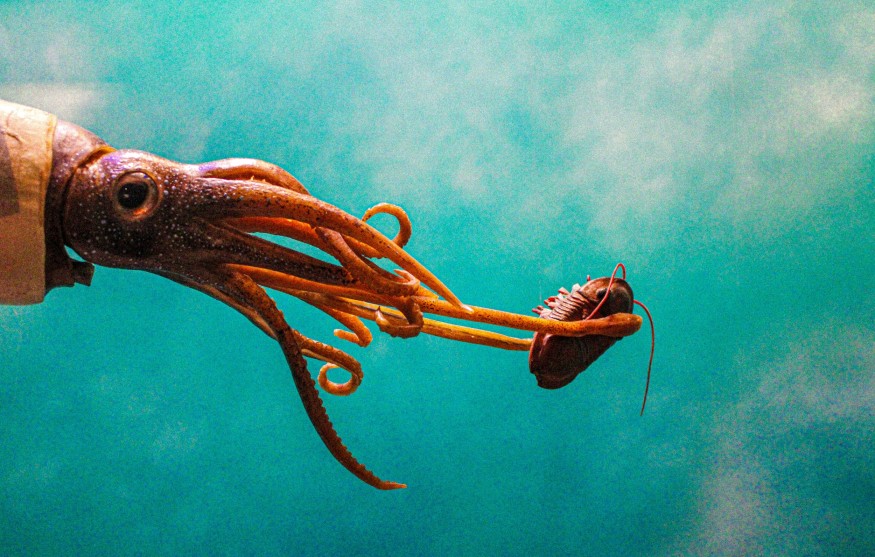
A recent giant squid discovery off Western Australia is revealing how little scientists know about the deep ocean. Researchers studying underwater canyons found evidence of giant squid activity along with hundreds of other marine species using environmental DNA (eDNA) analysis. The findings offered new insight into the deep-sea world off Australia and showed how modern technology is helping scientists uncover hidden ocean ecosystems.
Scientists Detect Giant Squid DNA in Australian Waters
Scientists exploring deep underwater canyons near Western Australia used environmental DNA (eDNA) from seawater samples to detect the presence of Architeuthis dux, the giant squid species linked to legendary sea monster tales. The giant squid discovery is considered significant because sightings in Australian waters are extremely rare. According to ScienceDaily, it was the first giant squid record in Western Australia in over 25 years and possibly the northernmost eDNA detection of the species in the eastern Indian Ocean.
The Deep-Sea World Off Australia Is Full of Hidden Life
The giant squid discovery became even more fascinating when scientists examined the broader range of species found during the expedition. Researchers identified more than 220 marine species living in the deep-sea world off Australia, including animals rarely documented in the region. Among the notable discoveries were:
- Faceless cusk eels
- Sleeper sharks
- Slender snaggletooth fish
- Deep-diving whales
- Rare squid and jellyfish species
Some species detected through DNA analysis may even be entirely new to science. Marine biologists say the deep ocean still contains vast numbers of organisms that humans have never formally identified.
According to Curtin University researchers involved in the project, submarine canyons act as biodiversity hotspots because they transport nutrients from shallow waters into deeper parts of the ocean. This process supports food chains that attract predators like squid, sharks, and whales.
The findings also reinforce the growing scientific belief that underwater canyon systems may be among the richest ecosystems in the ocean.
Why Giant Squids Are So Rarely Seen
Few marine animals are surrounded by as much mystery as giant squids. These massive cephalopods can reportedly grow longer than a bus and possess some of the largest eyes in the animal kingdom. Yet despite their enormous size, they remain extremely difficult to study.
The reason is simple: giant squids spend most of their lives in deep ocean environments far below sunlight. Some scientists believe they typically live between 300 and 1,000 meters beneath the surface, although they may occasionally travel even deeper.
For decades, most giant squid discoveries came from dead animals washing ashore or remains recovered from sperm whale stomachs. Live sightings were incredibly uncommon until advances in underwater technology made deep-sea filming more possible.
Even now, direct footage of living giant squids remains rare. According to marine researchers quoted by Nautilus magazine, environmental DNA has become one of the best tools for studying elusive species without disturbing them.
Scientists still know relatively little about giant squid behavior, reproduction, migration, or lifespan. Every new giant squid Australia finding helps researchers build a clearer picture of where these mysterious creatures live.
Environmental DNA Is Changing Ocean Exploration
One of the biggest reasons this giant squid discovery became possible is the rapid development of environmental DNA technology.
Environmental DNA sampling works by collecting seawater and extracting tiny traces of genetic material left behind by marine organisms. Researchers can then compare the DNA fragments against known species databases. This approach offers several advantages:
- Scientists can detect rare species without physically capturing them
- Deep-sea ecosystems can be studied with less disturbance
- Researchers can identify multiple species from a single water sample
- Exploration becomes faster and more cost-effective
Marine scientists say environmental DNA is transforming how the deep ocean is studied. Instead of relying solely on submarines, fishing nets, or underwater cameras, researchers can now investigate biodiversity using microscopic genetic traces.
A separate report from People magazine noted that researchers analyzed more than 170 seawater samples during the expedition, allowing them to identify marine life across enormous underwater regions.
Why the Discovery Matters for Marine Science
The deep-sea world off Australia remains one of the least explored marine environments on the planet. Scientists estimate that humans have mapped only a small fraction of the global seafloor in detail, leaving enormous gaps in scientific knowledge.
The latest giant squid discovery matters because it demonstrates how much biodiversity may still exist undetected beneath the ocean surface. Marine ecosystems in deep water also play major roles in:
- Regulating Earth's climate
- Storing carbon
- Supporting food chains
- Recycling nutrients throughout the oceans
Researchers warn that climate change, pollution, and future industrial activities could threaten sensitive deep-sea habitats before scientists fully understand them.
According to Sci.News, the discovery of giant squid DNA alongside other rare marine species highlights the ecological importance of submarine canyons and deep-ocean ecosystems.
Some scientists believe future expeditions could uncover thousands of additional species as DNA technology and deep-sea mapping continue improving.
Technology Is Unlocking Earth's Last Frontier
Deep-sea exploration has entered a new era in recent years. Modern marine expeditions now combine multiple advanced technologies to investigate underwater ecosystems that once seemed impossible to study. These tools include:
- Environmental DNA sequencing
- Remotely operated underwater vehicles (ROVs)
- Deep-ocean imaging systems
- High-resolution seabed mapping
- Artificial intelligence for species analysis
Researchers believe the oceans may contain some of the greatest undiscovered biodiversity on Earth. Every new expedition seems to reveal unusual creatures adapted to extreme darkness, freezing temperatures, and crushing pressure.
The giant squid discovery is one example of how technology is helping scientists investigate environments humans rarely see.
What Scientists May Discover Next
Marine researchers say the latest findings are likely only the beginning. The deep-sea world off Australia stretches across vast underwater regions that remain largely unexplored. Future expeditions could potentially uncover:
- New squid species
- Unknown deep-sea predators
- Unique ecosystems around underwater canyons
- Previously undocumented marine food chains
Scientists also hope environmental DNA methods will continue improving so they can better track endangered or elusive species in real time. The more researchers investigate deep-ocean habitats, the clearer it becomes that Earth's oceans still contain major scientific mysteries waiting to be uncovered.
What the Giant Squid Discovery Reveals About Earth's Hidden Oceans
The recent giant squid Australia finding is more than just a rare encounter with an elusive animal. It represents a deeper understanding of the hidden ecosystems thriving far below the ocean surface. Scientists now believe submarine canyons off Australia support a surprisingly rich network of marine life, much of which remains undocumented.
As technology continues advancing, researchers expect even more discoveries from the deep ocean. The giant squid discovery serves as a reminder that some of the planet's most fascinating environments are still waiting to be explored.
Frequently Asked Questions
1. What is environmental DNA in marine research?
Environmental DNA, or eDNA, refers to tiny traces of genetic material left behind by marine organisms in seawater. Scientists analyze these traces to identify species living in an area without directly seeing them.
2. Why are giant squids rarely seen?
Giant squids live in deep ocean environments far below sunlight, making them difficult to observe. Most sightings historically involved dead specimens or remains found in whale stomachs.
3. How big can giant squids grow?
Giant squids can reportedly grow longer than a bus and have extremely large eyes adapted for dark ocean conditions.
Originally published on natureworldnews.com


