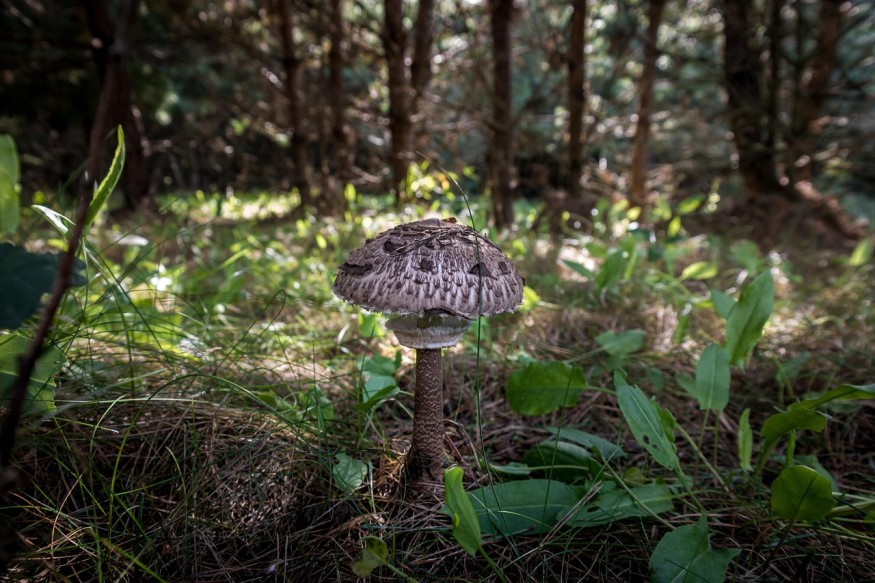
Mycorrhizal networks form one of the most fascinating and complex systems in nature, linking trees and fungi in a vast underground exchange system often called the "wood wide web."
These mycorrhizae-driven networks allow trees to share nutrients, communicate stress signals, and support one another through interconnected fungal pathways. Far from being isolated organisms, trees rely heavily on fungi and mycorrhizal networks to survive and thrive in dynamic ecosystems.
What Are Mycorrhizae?
Mycorrhizae refer to the symbiotic relationship between fungi and plant roots, particularly those of trees. In this mutually beneficial partnership, fungi colonize the root systems and extend far into the soil through thread-like structures called hyphae.
There are two primary types of mycorrhizae:
- Ectomycorrhizae, which form a sheath around tree roots and are common in temperate forests
- Arbuscular mycorrhizae, which penetrate root cells and are found in many plant species
Fungi enhance a tree's ability to absorb essential nutrients like phosphorus and nitrogen, while trees provide fungi with carbohydrates produced through photosynthesis. This exchange forms the foundation of mycorrhizal networks.
How Mycorrhizal Networks Work
Mycorrhizal networks are formed when fungal hyphae connect multiple trees underground, creating an intricate web of biological interactions. These fungi act as intermediaries, linking trees of the same or different species.
Through these networks, trees exchange:
- Carbon, typically transferred from older or larger trees to younger ones
- Nutrients such as nitrogen and phosphorus
- Water, especially during drought conditions
Fungi function as underground brokers, facilitating the movement of resources based on availability and demand. This dynamic system helps maintain balance within forest ecosystems and allows trees to adapt to environmental stress.
The Wood Wide Web: A Natural Communication System
The term "wood wide web" describes the interconnected system of mycorrhizal networks that link trees through fungi. Coined by researchers studying forest ecology, it highlights the idea that trees are not solitary organisms but participants in a shared communication network.
Through the wood wide web, trees can:
- Send chemical warning signals about pests or disease
- Alter the behavior of neighboring trees by triggering defense responses
- Share resources to support weaker or shaded trees
Scientific studies have shown that when one tree is attacked by insects, it can release signalsthrough fungi that prepare nearby trees to defend themselves. This communication enhances the resilience of entire forests.
What Do Trees Exchange Through Mycorrhizal Networks?
Trees connected by mycorrhizal networks exchange a variety of substances that support survival and growth.
These include:
- Carbon compounds produced during photosynthesis
- Nitrogen and phosphorus absorbed by fungi from the soil
- Water, particularly in nutrient-poor or dry environments
- Chemical signals that indicate stress or environmental changes
Older trees, sometimes referred to as "mother trees," often supply nutrients to younger seedlings. This transfer increases the chances of survival for new growth and helps sustain forest continuity.
Can Trees Communicate With Each Other Through Fungi?
Research increasingly supports the idea that trees can communicate through fungi and mycorrhizal networks. This communication is not conscious but occurs through biochemical signaling.
When a tree experiences stress, such as insect attack or drought, it can release signaling molecules into the fungal network. These signals travel to neighboring trees, prompting them to activate defense mechanisms or adjust growth patterns.
This form of communication demonstrates that fungi play a central role in connecting trees, turning forests into cooperative systems rather than collections of independent organisms.
Do Mycorrhizal Networks Help Trees Survive?
Mycorrhizal networks significantly enhance the survival of trees in various environments.
Key benefits include:
- Improved nutrient uptake, especially in nutrient-poor soils
- Increased resistance to drought by improving water absorption
- Enhanced protection against pathogens through shared defense signals
- Greater seedling survival rates due to resource sharing
In challenging conditions, such as after forest disturbances, mycorrhizae help stabilize ecosystems by supporting regrowth and maintaining soil health.
Read more: How Tree Communication in the Wood Wide Web Transforms Our Understanding of Plant Networks
Are Mycorrhizal Networks Real or Controversial?
While mycorrhizal networks are widely accepted in scientific literature, some aspects remain debated. Most researchers agree that fungi connect trees and facilitate nutrient exchange, but the extent and intent of these interactions are still being studied.
Support for mycorrhizal networks comes from:
- Experimental studies tracing carbon movement between trees
- Observations of shared nutrient pathways via fungi
- Evidence of signaling responses across connected plants
However, some scientists question whether these exchanges are always cooperative or if they sometimes reflect competition mediated by fungi. Despite ongoing debate, the existence of the wood wide webas a functional ecological system is well supported.
Types of Fungi in Mycorrhizal Networks
Different fungi contribute to mycorrhizal networks depending on the ecosystem. Forests, grasslands, and agricultural systems each host distinct fungal communities.
Common characteristics of these fungi include:
- Extensive hyphal networks capable of spanning large distances
- Adaptation to specific soil conditions and host trees
- Ability to transport nutrients efficiently across the network
Biodiversity among fungi strengthens mycorrhizal networks, making them more resilient to environmental changes and disturbances.
Why Mycorrhizal Networks Matter for Forest Health
Mycorrhizal networks play a critical role in maintaining healthy forests. By linking trees and fungi, these systems support ecological balance and long-term sustainability.
Their importance includes:
- Regulating nutrient cycles within ecosystems
- Enhancing carbon storage, which helps mitigate climate change
- Supporting biodiversity by connecting different plant species
- Improving soil structure and fertility
When forests are disrupted by deforestation or pollution, these underground networks can be damaged, reducing the ability of trees to recover and thrive.
Human Applications and Future Research
Scientists and environmentalists are increasingly exploring how mycorrhizae can be applied in agriculture and forestry. By leveraging fungi and mycorrhizal networks, it is possible to improve crop yields, reduce fertilizer use, and restore degraded lands.
Emerging applications include:
- Inoculating crops with beneficial fungi to enhance growth
- Using mycorrhizae in reforestation projects
- Studying fungal networks to better understand ecosystem resilience
Ongoing research continues to uncover how the wood wide web functions and how it can be protected in the face of climate change and human activity.
Why Mycorrhizal Networks Are Essential to the Wood Wide Web
Mycorrhizal networks remain a fundamental part of how trees and fungi interact within ecosystems, forming the backbone of the wood wide web. These underground systems enable trees to exchange nutrients, communicate through chemical signals, and adapt to environmental challenges.
As research advances, the role of mycorrhizae and fungi in supporting trees becomes increasingly clear, highlighting the need to protect these hidden yet vital networks that sustain forest life.
Frequently Asked Questions
1. What happens to mycorrhizal networks when forests are cut down?
Deforestation can break fungal connections, reducing nutrient flow and weakening remaining trees.
2. Can mycorrhizae exist in urban or garden soils?
Yes, many soils contain fungi, but urban disturbance may limit fully developed mycorrhizal networks.
3. Do all tree species rely equally on mycorrhizal fungi?
No, dependency varies; some trees rely heavily on mycorrhizae, while others are less dependent.
4. How long do mycorrhizal networks last in soil?
They can persist for years if undisturbed, but environmental changes can disrupt or degrade them quickly.
© 2026 ScienceTimes.com All rights reserved. Do not reproduce without permission. The window to the world of Science Times.


