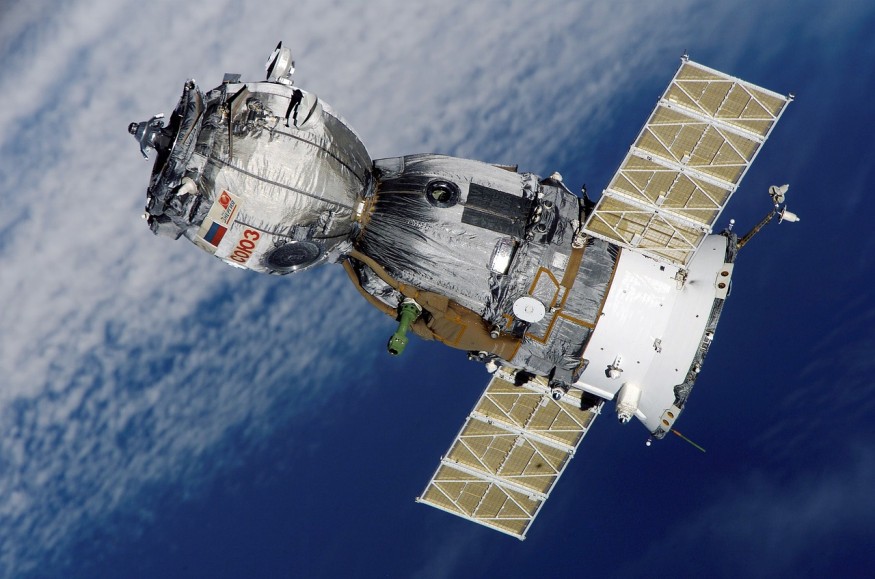
Space technology has rapidly evolved over the past few decades, reshaping not only our understanding of the cosmos but also impacting everyday life on Earth. Aerospace innovation is at the heart of this transformation, driving new capabilities and expanding the horizons of exploration, communication, and environmental monitoring.
This article explores the most significant space technology trends affecting the world today and the future directions poised to shape industries globally.
What Are the Latest Space Technology Trends?
One of the most notable space technology trends is the advancement in satellite technology. Satellites have become smaller, smarter, and more cost-effective, allowing for large constellations of small satellites such as CubeSats and nanosatellites to be deployed. These swarms of satellites are revolutionizing data collection by providing real-time Earth observation, enhancing climate monitoring, and improving global communication networks.
Reusable rocket systems represent another major aerospace innovation transforming space access. Companies have developed rockets capable of multiple launches and landings, significantly cutting the cost of reaching orbit. SpaceX's Falcon 9 is the prime example of this trend, enabling more frequent and affordable missions. This breakthrough supports both commercial and governmental space endeavors.
Commercial spaceflight is also growing, with private companies leading efforts in space tourism, cargo resupply missions, and plans for lunar and Martian exploration. The rise of the private sector has introduced a competitive edge, accelerating innovation cycles and lowering barriers to entry into space-related activities.
How Is Aerospace Innovation Driving Space Exploration?
Advances in propulsion systems highlight ongoing aerospace innovation. Traditional chemical rockets are giving way to emerging technologies such as ion thrusters and potentially nuclear propulsion systems. These new propulsion methods promise greater efficiency and faster travel, crucial for missions beyond Earth's orbit.
Improved spacecraft design and materials contribute significantly to mission success. Lightweight, heat-resistant composites and modular spacecraft architectures allow for durability and adaptability in harsh space environments. Furthermore, integrating artificial intelligence and robotics enables autonomous operations and the execution of complex tasks during missions, reducing human risk and operational costs.
Long-duration space travel remains a significant focus area. Aerospace innovation is addressing challenges in life support, radiation shielding, and human health in microgravity. These improvements are essential for planned missions to the Moon, Mars, and deep space destinations.
What Are the Real-World Applications of Space Technology Innovations?
Space tech innovations have wide-reaching effects beyond exploration. One prominent application is Earth observation for environmental monitoring. Satellites provide critical data on weather patterns, deforestation, ocean health, and natural disasters, informing policy decisions and disaster response strategies worldwide.
Telecommunications have benefited immensely from developments in space technology trends. Satellite-based internet services aim to provide global coverage, especially to underserved and remote regions. Initiatives like Starlink seek to bridge the digital divide and improve connectivity worldwide.
Enhancements to space-based GPS and navigation systems have also provided more accurate positioning data, which is essential for transportation, agriculture, and military operations. These improvements help optimize resource management and safety across various sectors.
How Are Governments and Private Companies Shaping Aerospace Innovation?
Governments and space agencies such as NASA, ESA, and CNSA play vital roles in sustaining and advancing aerospace innovation. They fund research, develop infrastructure, and set priorities for scientific missions and exploration programs. These agencies often collaborate internationally to share knowledge and resources.
Private companies have become key drivers of space technology trends, pushing the boundaries of technology and business models. SpaceX, Blue Origin, Rocket Lab, and other firms have introduced innovations in rocket launches, satellite deployment, and space mission design. Their commercial focus often accelerates development timelines and brings new investment into the aerospace sector.
International collaborations also shape the future of aerospace innovation. Joint missions and shared platforms reduce cost burdens and foster global cooperation in space science and technology development.
What Challenges Do Space Technology Trends Face Today?
Despite rapid advancements, space technology trends face significant challenges. Technical complexity and high costs continue to slow down some innovations. Developing reliable and safe technologies for new propulsion systems, space habitats, and long-term operations requires extensive testing and validation.
Space debris has emerged as a critical issue, with the growing number of satellites increasing the risk of collisions. Sustainable space operations necessitate improved debris mitigation policies, satellite end-of-life management, and active debris removal strategies.
Regulatory and policy frameworks are still evolving to keep pace with rapid advances in aerospace. Coordination between international bodies and national governments is necessary to address liability, spectrum allocation, and security concerns effectively.
What Does the Future Hold for Space Technology Trends?
Looking forward, the future of space technology trends is poised to be dynamic and transformative. Continued development of next-generation propulsion systems may enable human missions deeper into the solar system and reduce transit times.
Space tourism is expected to grow, supported by advancements in safety, affordability, and infrastructure. This market could pave the way for more permanent human presence in space.
Investment in space tech startups and emerging markets is expanding rapidly, driving innovation and creating new economic opportunities. Entrepreneurs and governments alike see aerospace innovation as a key component of future growth sectors.
Space tech innovations are fundamentally reshaping how humanity interacts with space and improving everyday life on Earth. The ongoing wave of aerospace innovation is opening new frontiers in exploration, enhancing technological capabilities, and offering solutions to global challenges. As space technology trends continue to evolve, they hold immense potential to drive scientific discovery, economic development, and international collaboration in the decades ahead.
Frequently Asked Questions
1. How does space technology impact climate change research?
Space technology enables precise monitoring of Earth's climate through satellite sensors that track greenhouse gas concentrations, ice cap melting, and ocean temperatures. These data help scientists model climate trends and inform policies aimed at mitigating the effects of climate change globally.
2. What role does artificial intelligence play in modern space missions?
Artificial intelligence is increasingly used for spacecraft navigation, real-time data analysis, and autonomous decision-making during missions. AI helps manage complex tasks, such as trajectory adjustment and robotic system operation, enhancing mission efficiency and reducing human intervention.
3. Why are reusable rockets crucial for the future of space exploration?
Reusable rockets drastically lower launch costs and increase mission frequency. This affordability allows more research, satellite deployments, and commercial activities, accelerating space industry growth and making ambitious exploration goals more achievable.
4. How do international space collaborations benefit technological development?
International cooperation pools resources, expertise, and funding, enabling larger and more complex missions than any single country could manage alone. Shared access to technology and data accelerates innovation and fosters peaceful use of space technologies worldwide.
Originally published on Tech Times
ⓒ 2026 TECHTIMES.com All rights reserved. Do not reproduce without permission.


