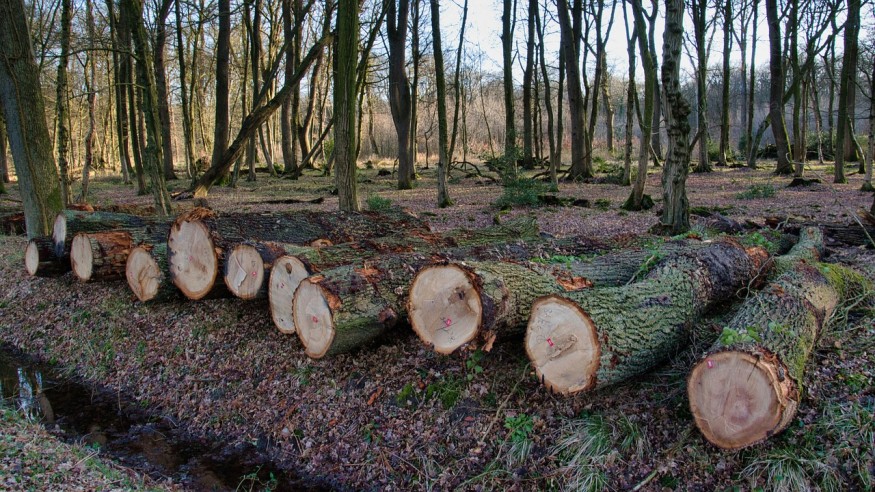
Forests have long been considered the lungs of the Earth. They regulate temperature, store carbon, and sustain life. But large-scale deforestation is weakening these natural systems, leading to measurable climate disruptions across the planet.
Scientists and environmental organizations consistently warn that the continued loss of forests could reshape weather patterns, increase greenhouse gas concentrations, and destabilize ecosystems vital for human survival.
Deforestation isn't just about trees disappearing, it's about an entire environmental network collapsing. Understanding how forest loss influences the global climate helps people, governments, and industries make informed choices that can reverse or reduce the damage already done.
What Are the Effects of Deforestation on the Environment?
Deforestation effects reach far beyond cleared land. The immediate environmental impact includes soil degradation, biodiversity loss, and air quality reduction. When trees are cut or burned, they release carbon dioxide that has been stored in their biomass for decades.
The sudden release of this carbon adds to the greenhouse gas buildup in the atmosphere, which intensifies global warming.
Soil erosion is another critical issue. Without tree roots to hold the soil in place, rainwater runoff increases, washing away fertile topsoil and reducing agricultural productivity.
Rivers and lakes become silted, affecting aquatic life and increasing the risk of floods. In tropical regions, deforestation often leads to rising temperatures and declining rainfall, changing microclimates that thousands of plant and animal species depend on for survival.
Over time, these deforestation effects trigger a chain reaction of ecosystem disruption that transforms once-stable regions into environmentally stressed zones.
How Does Forest Loss Affect Climate Change?
The connection between forest loss and climate change is direct and measurable. Trees play an essential role in absorbing carbon dioxide through photosynthesis. When forests are cut down or burned, not only does this carbon-absorbing function stop, but large volumes of stored carbon return to the atmosphere.
This process contributes significantly to global greenhouse gas emissions. According to data from the Intergovernmental Panel on Climate Change (IPCC), deforestation accounts for nearly 10% of global CO₂ emissions every year.
Regions that experience constant deforestation, such as the Amazon Basin, become carbon sources rather than carbon sinks, amplifying the global warming effect.
Additionally, forests influence local temperatures by providing shade and releasing water vapor into the atmosphere through transpiration. When large areas are cleared, surface temperatures rise and humidity decreases, making surrounding areas warmer and drier.
Over time, this contributes to altered rainfall patterns that can extend far beyond the immediate region of deforestation.
The outcome is a feedback loop, forest loss fuels climate change, and climate change further degrades forests through drought, wildfires, and pest outbreaks.
How Does Deforestation Disrupt the Carbon and Water Cycles?
Forests are a vital part of Earth's carbon and water systems. Through photosynthesis, trees absorb carbon dioxide and store it in their trunks, leaves, and soil. When trees die naturally, much of this carbon remains locked in soils.
However, when forests are cleared or burned, the carbon is released rapidly into the atmosphere. This spike in CO₂ levels alters the delicate balance of Earth's carbon cycle.
In the water cycle, forests serve as natural regulators. Tree canopies intercept rainfall, and their roots draw water from the ground, releasing moisture into the air through transpiration.
This process helps maintain local humidity and rainfall. In contrast, large-scale logging or burning reduces moisture circulation, leading to drier climates and more erratic weather patterns.
In tropical nations, deforestation contributes to lower annual rainfall, extended dry seasons, and an increased likelihood of drought. Once the forest-water balance is broken, restoring it becomes extremely challenging, as it relies on long-term ecological cycles that develop over centuries.
What Are the Global Consequences of Deforestation?
The climate system is interconnected, meaning forest loss in one region has global consequences. When tropical forests in South America or Southeast Asia are cleared, the shift in air circulation and moisture transport patterns can influence weather conditions thousands of kilometers away.
For instance, studies suggest that Amazon deforestation could alter rainfall patterns as far as the U.S. Midwest or parts of Africa.
Global temperature rise also accelerates when major forest regions, especially tropical rainforests, lose their ability to store carbon. These forests act as "climate stabilizers," preventing extreme fluctuations.
Their destruction intensifies temperature anomalies, leading to prolonged heat waves, unpredictable monsoon seasons, and stronger storms.
Deforestation additionally threatens biodiversity, disrupts pollination systems, and undermines food security for local populations. Indigenous communities and rural farmers lose livelihood sources, while ecosystems collapse under the pressure of habitat fragmentation.
How Does Deforestation Affect Local Weather and Natural Disasters?
Beyond global implications, deforestation alters local weather dynamics. Areas that once experienced consistent rainfall often face reduced precipitation and higher temperatures. Without the moisture regulation provided by forests, air becomes drier, making conditions more suitable for heat waves and dust storms.
In mountainous or coastal regions, clearing forests increases the risk of floods and landslides. Tree roots stabilize soil and intercept rainfall, slowing water flow into rivers and lakes.
When forests disappear, water runs off quickly, eroding slopes and raising flood peaks downstream. The Philippines and Indonesia, for example, have seen increased flood events linked directly to deforestation of upland regions.
Deforestation also worsens wildfire frequency. Drier air and exposed soil create flammable conditions that allow fires to spread rapidly. The combination of forest loss and intensified climate warming forms a cycle that strengthens natural disasters year after year.
For agricultural communities, these local changes have serious consequences. Crop yields drop, water shortages become common, and livelihoods weaken under increasingly unpredictable weather.
What Can Be Done to Reduce Deforestation and Its Climate Impact?
Solving the deforestation crisis involves coordinated action from governments, industries, and individuals. Sustainable forest management offers one path forward. This approach promotes logging practices that give trees time to regrow, preserve biodiversity, and maintain soil health.
Reforestation and afforestation efforts also play a valuable role in restoring carbon sinks. Planting diverse tree species, particularly native ones, helps rebuild ecosystems and prevent soil degradation.
International agreements such as the Paris Climate Accord and the UN's REDD+ program aim to assist developing countries in preserving forests while pursuing economic growth.
Businesses can reduce supply chain pressures by sourcing wood, paper, and agricultural products from certified sustainable sources. Consumers, in turn, can support eco-labeled products and reduce waste linked to forest-intensive materials.
Education, awareness campaigns, and community involvement transform policies into local action. Empowering indigenous communities to protect ancestral lands has proven effective in maintaining forest cover and curbing illegal logging.
Preserving the Planet's Natural Climate Regulators
Forests remain one of Earth's most effective defenses against climate change. Yet their continued loss signals deeper environmental challenges that go beyond regional issues. The deforestation effects visible today, rising temperatures, habitat loss, and shifting weather systems, reflect a global imbalance in the planet's natural cycles.
Protecting forests is not only about saving biodiversity or beautiful landscapes; it's about maintaining the climate foundation that supports all life. Every action that halts deforestation or restores degraded land helps cool the planet, stabilize the forest loss climate connection, and reduce future environmental impact.
Frequently Asked Questions
1. How does deforestation affect ocean health?
Cleared forests increase soil erosion, causing more sediment and nutrients to flow into rivers and oceans. This runoff can trigger algal blooms and harm coral reefs and marine life.
2. Can deforestation influence the spread of diseases?
Yes. Forest loss pushes wildlife closer to humans, raising the risk of zoonotic diseases like malaria and Ebola due to changing habitats and vector patterns.
3. What role do tropical rainforests play in regulating global wind and rainfall patterns?
Rainforests release moisture into the air, shaping wind and rainfall systems. When they're cleared, less moisture circulates, leading to drier conditions and disrupted weather cycles.
4. How does technology help monitor and reduce deforestation?
Satellite images, drones, and AI track forest changes in real time, helping detect illegal logging and guide conservation efforts more effectively.
© 2026 ScienceTimes.com All rights reserved. Do not reproduce without permission. The window to the world of Science Times.


