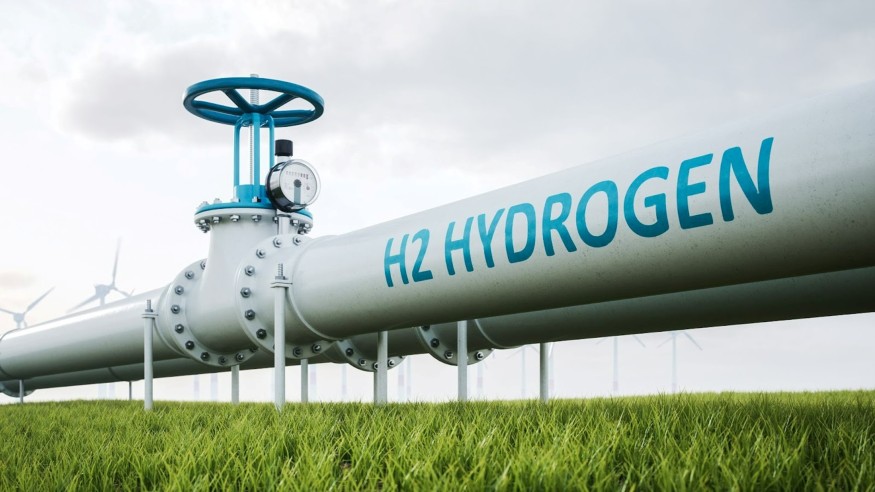
Amid the accelerating global energy transition, green hydrogen and ammonia are emerging as promising solutions to fill vital gaps in energy storage and transportation. As Shawn Rana notes, these molecules can store excess renewable energy and produce it when needed, enabling a more flexible, resilient grid. Countries like Japan and Australia are already piloting projects that showcase the potential of these green fuels in real-world applications.
As the technology advances and infrastructure adapts, hydrogen and ammonia are set to play pivotal roles in decarbonizing sectors that are difficult to electrify directly. With long-duration storage capabilities, established handling practices, and growing international support, these carriers offer scalable pathways toward a cleaner, more sustainable energy future.
Understanding Green Hydrogen and Ammonia
Green hydrogen is produced by electrolysis, a process that splits water using electricity from renewable sources such as wind or solar. Unlike traditional hydrogen production, which relies on fossil fuels, this process results in zero direct emissions. The outcome is a clean energy carrier that can be stored and later used for electricity generation or industrial feedstock.
Ammonia becomes "green" when it's synthesized using green hydrogen combined with nitrogen from the air. It's easier to store and transport than hydrogen alone, which makes it useful for moving energy over long distances. Some industrial sectors already use ammonia, which opens the door to repurposing existing infrastructure and streamlining adoption.
Traditional hydrogen and ammonia production methods emit considerable amounts of carbon dioxide. Shifting to green alternatives reduces lifecycle emissions while supporting a transition to cleaner energy systems. This distinction is critical as energy grids seek to reduce their reliance on fossil fuels.
The Grid's Storage Challenge
Modern electricity grids face a key issue: renewable energy sources like solar and wind don't always produce power when it's needed. Solar generation peaks during the day, while demand often rises in the evening. This mismatch creates volatility that can destabilize the grid without adequate storage solutions.
Lithium-ion batteries help smooth short-term fluctuations but struggle with extended storage, especially over days or weeks. They are also constrained by material supply and by degradation over time. As clean energy adoption accelerates, the need for long-duration, scalable storage becomes more urgent. Countries with high renewable penetration are already facing challenges balancing generation with demand.
Without reliable storage, surplus renewable energy is often curtailed—wasted because there's no way to use or store it at the time of generation. This inefficiency undermines the environmental and economic benefits of renewables, making advanced storage technologies essential for a resilient, low-carbon grid.
How Hydrogen and Ammonia Store Energy
Green hydrogen can act as a flexible reserve by storing excess electricity during times of low demand. When needed, the stored hydrogen is converted back into electricity through fuel cells or turbines, providing dispatchable power without carbon emissions.
Ammonia offers another route, as it can be synthesized from hydrogen and stored as a liquid under moderate pressure. It's already transported globally as a commodity, making it a practical candidate for energy logistics. Some power plants are exploring direct ammonia combustion or cracking it back into hydrogen for electricity generation.
Compared to traditional batteries, both hydrogen and ammonia can store energy for weeks or even months. This makes them valuable for regions with seasonal variations in renewable output, where conventional storage falls short. Their energy density and transport potential also position them well for international energy trade and off-grid backup systems.
Applications and Uses
Green hydrogen and ammonia are already playing roles in projects aimed at stabilizing the grid during prolonged periods of low renewable generation. In areas with big seasonal differences—such as Northern Europe—these energy carriers are being tested to store excess summer solar energy for use during darker, colder months.
Co-locating electrolysis units with wind or solar farms enables clean electricity to be immediately converted into storable fuel, reducing curtailment and adding system flexibility. Some island nations, constrained by limited land and reliance on imports, are also exploring ammonia as a storable fuel to run backup generators during outages. These setups reduce diesel dependency and improve energy security.
As grid operators seek ways to manage unpredictable demand and supply patterns, the versatility of these molecules becomes increasingly valuable. Unlike traditional batteries, they can be scaled up without incurring exponential costs, making them suitable for both utility-scale and remote applications.
Infrastructure, Technology, and Safety
Electrolyzers—the machines that split water into hydrogen and oxygen—are rapidly improving in efficiency and affordability. Paired with renewable power, they form the backbone of green hydrogen production. Once produced, hydrogen can be compressed, liquefied, or converted into ammonia for easier handling.
Much of the infrastructure needed to transport and store ammonia already exists due to its widespread use in agriculture and chemicals. This unlocks opportunities to retrofit existing pipelines and storage tanks rather than building entirely new networks. Ports and terminals are also being upgraded to handle ammonia as a fuel.
Safety remains a critical consideration. Both hydrogen and ammonia are flammable and require robust containment systems. However, decades of industrial experience with ammonia have led to well-established safety protocols that can be adapted for energy applications. Hydrogen's small molecular size poses unique challenges, but advancements in leak detection and materials science are addressing these concerns.
Market Momentum and Future Outlook
Governments and energy companies are investing heavily to bring green hydrogen and ammonia technologies to scale. In Japan, pilot projects are underway to co-fire ammonia in coal power plants, a move designed to cut emissions while maintaining grid reliability. Australia has also positioned itself as a future exporter of green ammonia, leveraging its abundant solar resources and proximity to key Asian markets.
Momentum is building as policy frameworks align with climate goals. Tax incentives, subsidies, and international partnerships are accelerating deployment. The European Union's Hydrogen Strategy, among others, outlines a clear roadmap for scaling up production and cross-border transport.
Over the next decade, these technologies are expected to play a major role in decarbonizing sectors that are difficult to electrify directly. By serving as both fuel and storage, green hydrogen and ammonia could become foundational elements of the new energy economy. Industrial heat, shipping, and aviation sectors are particularly promising frontiers.
© 2026 ScienceTimes.com All rights reserved. Do not reproduce without permission. The window to the world of Science Times.


