Sudden savant syndrome is a rare and fascinating condition in which a person develops sudden extraordinary skills following a brain injury. Unlike a typical savant, whose abilities are present from birth, individuals with acquired savant syndrome gain remarkable talents later in life, often after trauma or neurological illness.
These cases challenge conventional understanding of intelligence and suggest that the human brain may hold hidden capabilities that can emerge under unusual circumstances.
What Is Savant Syndrome?
A savant is an individual who displays exceptional abilities in a specific area, such as music, art, mathematics, or memory. Savant syndrome is often associated with developmental conditions, but it can also appear unexpectedly.
There are two main forms: congenital and acquired. Congenital savant syndrome exists from early development, while acquired savant syndrome occurs after a change in brain function. In both cases, abilities tend to be highly specialized rather than broad.
What Is Acquired Savant Syndrome?
Acquired savant syndrome refers to the sudden appearance of extraordinary skills in someone with no previous history of such abilities. This typically happens after a brain injury, stroke, or neurological disorder.
Although rare, documented cases show individuals developing advanced artistic, musical, or mathematical skills almost overnight. These changes suggest that certain abilities may already exist within the brain but remain inaccessible under normal conditions.
How Can Brain Injury Unlock Extraordinary Skills?
The connection between brain injury and sudden extraordinary skills is explained through several neurological theories.
One key idea is disinhibition. In a healthy brain, certain regions suppress others to maintain balance. When injury disrupts this system, previously suppressed areas, often linked to creativity or memory, may become more active.
Another explanation is neuroplasticity, the brain's ability to reorganize after damage. When one area is impaired, others may compensate, sometimes leading to unexpected enhancements.
Rather than creating new talents, these changes may reveal latent abilities already present in the brain.
What Part of the Brain Is Involved in Savant Syndrome?
Research often points to the left hemisphere, particularly the left anterior temporal lobe. Damage in this region has been linked to the emergence of savant-like skills.
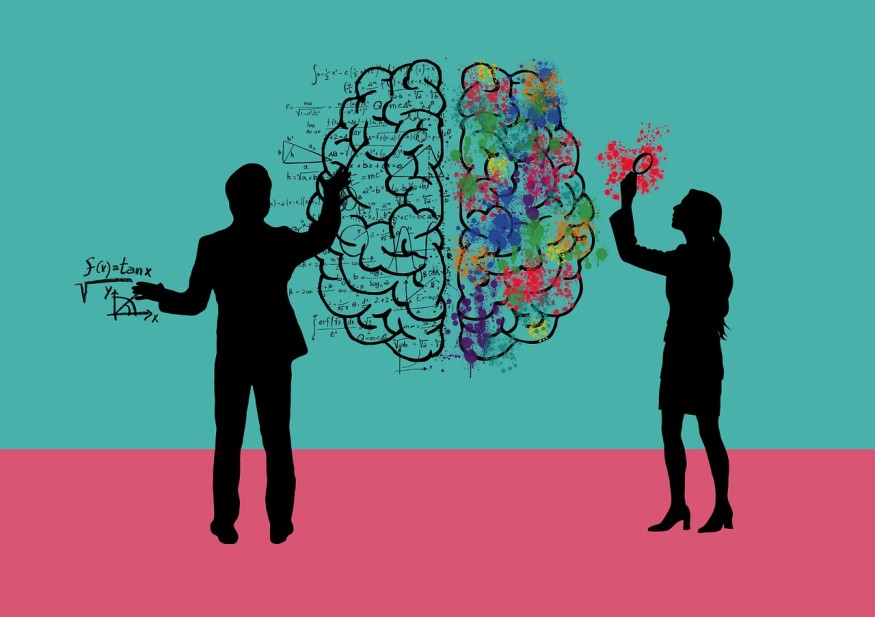
As left-side functions decline, the right hemisphere, associated with creativity and pattern recognition, may take on a more dominant role. This shift can result in heightened abilities in specific domains such as art or music.
Can a Head Injury Make You Smarter?
It is a misconception that a brain injury can make someone smarter overall. While acquired savant syndrome can produce sudden extraordinary skills, these are usually narrow and specialized.
For example, a person might gain advanced memory or calculation abilities but still struggle with everyday tasks. Intelligence involves a wide range of cognitive functions, and these are often impaired rather than improved after injury.
What Causes Acquired Savant Syndrome?
Several types of brain-related events have been associated with acquired savant syndrome:
- Traumatic brain injury from accidents or impacts
- Stroke affecting blood flow to the brain
- Neurological diseases such as frontotemporal dementia
- Infections or other disruptions to brain function
Not all brain injuries lead to savant abilities, and the condition remains unpredictable.
Real-Life Cases of Sudden Savant Syndrome
Real-world examples highlight how sudden extraordinary skills can emerge. Orlando Serrell developed an exceptional ability to recall dates and events after a head injury in childhood. Derek Amato, after a concussion, gained the ability to play piano without prior training, describing vivid visual patterns that guided his music.
These cases illustrate how acquired savant syndrome can dramatically alter a person's abilities, often in unexpected ways.
How Rare Is Acquired Savant Syndrome?
Acquired savant syndrome is extremely rare, with only a limited number of confirmed cases. While brain injuries are relatively common, the emergence of savant abilities is not.
This rarity makes the condition difficult to study, but it also adds to its significance in neuroscience research.
Can Savant Skills Be Learned Without Injury?
Scientists have explored whether savant-like abilities can be triggered without brain injury. Techniques such as transcranial magnetic stimulation (TMS) have shown limited success in temporarily enhancing certain skills.
However, these effects are short-lived and do not replicate the depth of abilities seen in acquired savant syndrome. Ethical concerns also limit the use of such approaches.
What Does This Reveal About the Human Brain?
Acquired savant syndrome suggests that the brain may store far more potential than is typically expressed. Certain abilities could exist in a latent form, suppressed by normal cognitive processes.
The condition also highlights neuroplasticity, showing how the brain can adapt and reorganize in response to injury. These insights are valuable for both neuroscience research and rehabilitation.
Risks and Downsides of Brain Injury
Despite the intriguing nature of sudden extraordinary skills, brain injury often leads to serious challenges. These can include memory loss, emotional changes, and reduced cognitive function.
In most cases, the negative effects outweigh any gains. Acquired savant syndrome should be understood as a rare side effect, not a desirable outcome.
Sudden Savant Syndrome and the Hidden Power of the Brain
Sudden savant syndrome demonstrates how a brain injury can sometimes unlock extraordinary skills, offering insight into the untapped potential of the human mind. While acquired savant syndrome is rare, it continues to shape scientific understanding of how the brain works and adapts.
These cases reveal that the brain is far more complex than previously thought, with abilities that may remain hidden until triggered by unusual circumstances.
Frequently Asked Questions
1. Can acquired savant syndrome fade over time?
Yes, in some cases the sudden extraordinary skills diminish as the brain continues to heal or reorganize, though others retain their abilities long-term.
2. Are children or adults more likely to develop acquired savant syndrome?
Most reported cases involve adults, but it can occur at any age depending on the type and timing of the brain injury.
3. Is acquired savant syndrome linked to mental health conditions?
It is primarily neurological, but some individuals may experience emotional or psychological changes following the brain injury.
4. Do all savants have perfect memory?
No, not all savants have exceptional memory; abilities vary widely and may focus on specific skills like music, art, or calculation.
© 2026 ScienceTimes.com All rights reserved. Do not reproduce without permission. The window to the world of Science Times.


