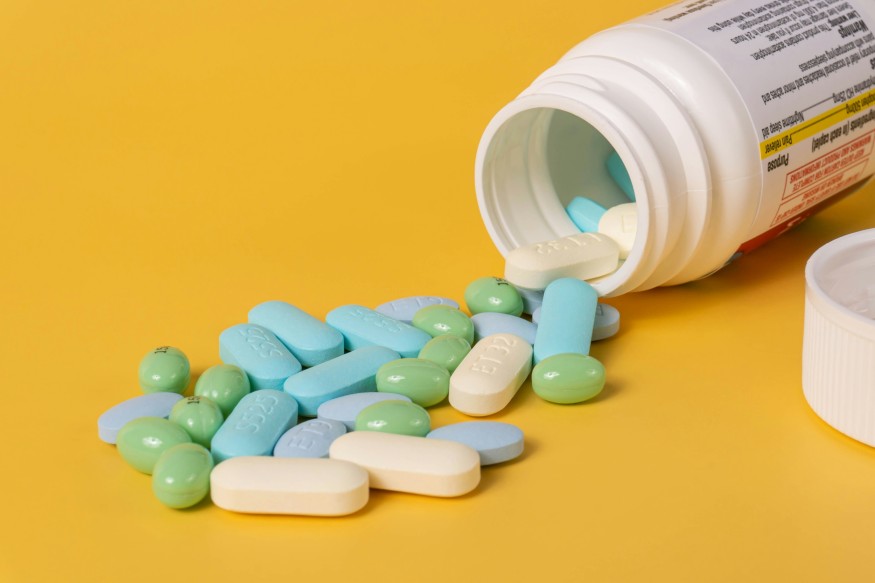
How antibiotics work involves targeting essential bacterial processes such as cell wall synthesis, protein production, and DNA replication. These drugs are designed to disrupt bacterial survival mechanisms, leading to effective clearance of infections when used correctly. However, their effectiveness depends on precise use and the type of infection being treated.
Antibiotic resistance explained shows how misuse of antibiotics contributes to a growing global health challenge. Over time, bacteria adapt through genetic changes, reducing drug effectiveness and leading to the rise of superbugs. Understanding this balance is key to preserving the power of modern medicine and preventing treatment failures.
How Antibiotics Work: Bacterial Targets
How antibiotics work by targeting specific bacterial structures that are essential for survival. These include the cell wall, protein synthesis machinery, DNA replication systems, RNA transcription processes, and metabolic pathways. By disrupting these systems, antibiotics can effectively stop bacterial growth or kill the organism.
- Cell wall synthesis disruption: Antibiotics like beta-lactams block bacterial cell wall formation, weakening structure and causing cell death.
- Protein synthesis inhibition: Aminoglycosides interfere with ribosomal function, leading to errors in protein production and bacterial malfunction.
- DNA replication interference: Fluoroquinolones stop DNA gyrase activity, preventing bacteria from copying their genetic material.
- RNA transcription blocking: Rifampin inhibits RNA polymerase, halting the production of essential bacterial proteins.
- Metabolic pathway inhibition: Sulfonamides block folate synthesis, cutting off key metabolic processes required for bacterial growth.
These mechanisms explain how antibiotics work effectively against susceptible infections when properly prescribed and used.
Antibiotic Resistance Explained: Mechanisms
Antibiotic resistance explained refers to how bacteria evolve defenses that reduce or eliminate the effectiveness of drugs. This occurs through genetic changes that allow bacteria to survive even after antibiotic exposure. Over time, resistant strains can dominate populations, making infections harder to treat.
- Beta-lactamase enzyme production: Bacteria destroy beta-lactam antibiotics by breaking their chemical structure before they can act.
- Efflux pump activation: Bacteria actively pump antibiotics out of their cells, lowering drug concentration.
- Target site modification: Structural changes in bacterial proteins prevent antibiotics from binding effectively.
- Reduced membrane permeability: Some bacteria alter their outer membrane to block antibiotic entry.
These mechanisms help explain antibiotic resistance and why some infections no longer respond to standard treatments.
Misuse of Antibiotics and Superbug Emergence
Misuse of antibiotics occurs when these drugs are taken without proper medical need, incorrect dosage, or incomplete treatment courses. This misuse creates selective pressure that allows resistant bacteria to survive and multiply. Over time, this contributes to the development of dangerous superbugs.
- Unnecessary prescriptions for viral infections: Antibiotics are often used for illnesses they cannot treat, such as viral colds and flu.
- Incomplete antibiotic courses: Stopping treatment early allows surviving bacteria to adapt and become resistant.
- Hospital overuse of broad-spectrum antibiotics: Excessive use in clinical settings increases resistance pressure on bacteria.
- Agricultural antibiotic application: Non-therapeutic use in livestock contributes to environmental spread of resistant bacteria.
These practices accelerate misuse of antibiotics and increase the risk of superbugs.
How Bacteria Develop Resistance Over Time
Misuse of antibiotics accelerates the evolutionary pressure that allows bacteria to survive and adapt. When antibiotics are used incorrectly or too frequently, sensitive bacteria are killed while stronger ones survive, gradually reshaping the population. This process leads to antibiotic resistance explained through natural selection at a microscopic level, where only the most adaptable strains persist.
Over multiple generations, these surviving bacteria accumulate genetic changes such as enzyme production and structural modifications that protect them from drugs. These adaptations can spread rapidly, especially in environments like hospitals where antibiotic exposure is high. As resistance builds, previously effective treatments become less reliable, increasing the risk of persistent infections and contributing to the rise of superbugs.
Superbugs and Treatment Challenges
Superbugs are bacteria that have developed resistance to multiple antibiotics, making infections difficult to treat. These organisms evolve through repeated exposure to antibiotics, selecting for highly resistant strains. As a result, standard treatments become less effective over time.
One major example includes MRSA, which shows resistance to methicillin and related antibiotics. Another concern is vancomycin-resistant enterococci, which are difficult to eliminate in hospital settings. These superbugs often require stronger, more toxic, or combination therapies.
Biofilm formation also plays a major role, allowing bacteria to shield themselves from antibiotics and immune responses. This makes infections persistent and harder to eradicate, especially in medical device-related infections.
Combating Antibiotic Resistance Through Responsible Use
How antibiotics work remains highly effective when used appropriately, but antibiotic resistance explained highlights the urgent need for careful stewardship. Misuse of antibiotics continues to accelerate resistance, reducing treatment options and increasing health risks worldwide.
Preventing superbugs requires responsible prescribing, patient adherence, and public awareness. Reducing unnecessary antibiotic use helps preserve their effectiveness for future generations. With informed practices, the balance between treatment success and resistance control can be maintained.
Frequently Asked Questions
1. How do antibiotics work in the body?
Antibiotics work by targeting essential bacterial functions such as cell wall formation, protein synthesis, and DNA replication. These actions stop bacteria from growing or kill them outright. They do not affect viruses, which is why they are not used for viral infections. Proper use is key to effectiveness.
2. What is antibiotic resistance explained simply?
Antibiotic resistance explained refers to bacteria evolving to survive antibiotic treatment. This happens through genetic changes that protect them from drug effects. Over time, resistant bacteria become more common. This makes infections harder to treat.
3. What causes misuse of antibiotics?
Misuse of antibiotics includes taking them without prescription or not completing the full course. It also includes using them for viral infections where they are ineffective. Overuse in hospitals and agriculture also contributes. These behaviors increase resistance risk.
4. What are superbugs?
Superbugs are bacteria that resist multiple antibiotics, making them difficult to treat. They often develop in hospitals or high-antibiotic-use environments. Infections caused by superbugs may require stronger or combined treatments. Preventing their spread is a global health priority.
© 2026 ScienceTimes.com All rights reserved. Do not reproduce without permission. The window to the world of Science Times.


