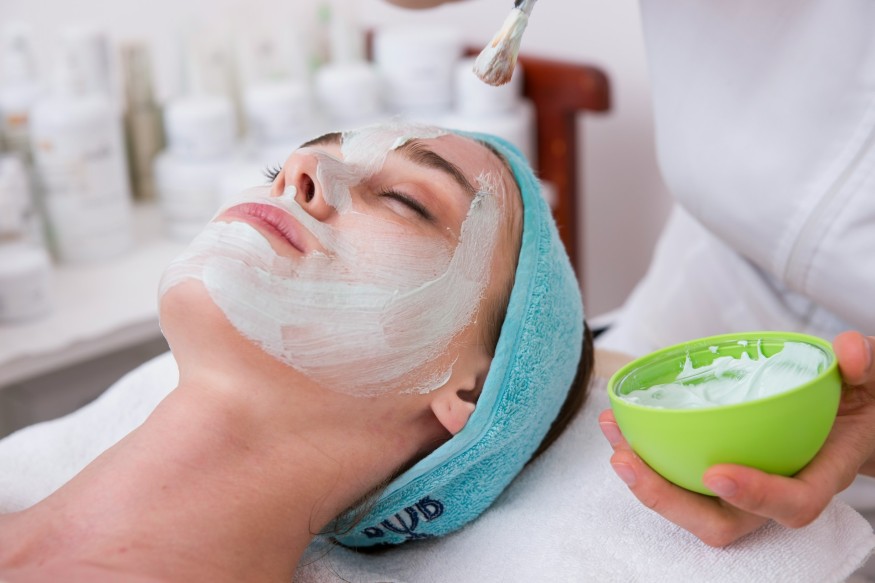
In aesthetic medicine, patients are asking for something that sounds simple, but in practice is not always easy to deliver: visible improvement in skin quality without long recovery, excessive irritation, or unpredictable post-treatment reactions.
For many years, the industry relied heavily on the idea of controlled injury. Lasers, ablative procedures, and aggressive resurfacing techniques can give strong results, but they also have their limits. Sensitive skin may react unpredictably. Some phototypes require additional caution. And for many patients, downtime alone is enough reason to postpone treatment.
That is partly why many practitioners have started looking in another direction. The focus is no longer only on how strongly the skin can be stimulated, but on how carefully renewal can be guided.
EXOPEEL, developed by Dr. Maria Fedchuk, was created within this logic. Dr. Fedchuk is a Ukrainian board-certified dermatologist and international anti-aging expert, currently based in the United States. As co-founder and medical director of MTS US, she works with professional education and system-based treatment approaches for aesthetic practitioners.
The idea behind EXOPEEL is not to "shock" the skin into renewal. The protocol is designed to improve tone, texture, and overall skin quality through controlled biochemical interaction, while keeping the epidermal barrier as stable as possible.
As Dr. Fedchuk explains:
"The objective is not only to achieve visible improvement, but to make the process predictable for both the practitioner and the client. Each step should be understood, and the result should not come at the cost of unnecessary stress for the skin."
Microencapsulation and Controlled Release
One of the core elements of EXOPEEL is microencapsulation with slow-release kinetics. Instead of exposing the skin to active compounds all at once, the protocol allows them to be released gradually.
This is especially relevant for reactive skin. High-concentration exposure may provoke irritation or an acute inflammatory response. A slower release can help maintain activity over time while giving the practitioner more control over treatment intensity.
In practice, this may support better tolerability in sensitive skin, longer regenerative signaling, and a more predictable treatment process. For patients prone to redness, barrier disruption, or post-inflammatory reactions, that level of control can make a real difference.
Secretomes and Exosomes from Bovine Colostrum
Another important part of EXOPEEL is the use of bovine colostrum-derived secretomes, including exosomes. That connection naturally brings EXOPEEL into the regenerative aesthetics conversation, where the goal is not simply to damage the skin and wait for repair, but to support the recovery process more intelligently.
Exosomes are extracellular vesicles involved in communication between cells. In aesthetic protocols, they are valued for their potential role in supporting tissue repair, helping modulate inflammatory pathways, and improving the skin's response after controlled exfoliation.
Within EXOPEEL, this component is used to support skin homeostasis, reduce visible reactivity, and assist recovery after exfoliation. In other words, the protocol is built around renewal with support, not renewal through aggression alone.
When EXOPEEL May Be Used
In clinical practice, EXOPEEL may be considered for patients dealing with early or visible signs of aging, loss of elasticity, fine lines, uneven tone, dyschromia, dullness, post-acne marks, and increased sensitivity.
Still, EXOPEEL is not presented as a guaranteed result for everyone. Skin condition, baseline sensitivity, age-related changes, and correct execution all influence the outcome. Some patients may see visible improvement after one session, while others may need a more gradual course. That is also why the treatment is positioned as a professional protocol rather than a simple "one procedure fits all" solution.
Training and Standardization in the United States
Education has also become a major part of how EXOPEEL is introduced in the U.S. market. The protocol is not taught only as a product application. It is presented as a methodology with indications, treatment logic, technical steps, and clinical reasoning.
Through MTS US, practitioners are trained through digital education, guided implementation, in-person workshops, hands-on instruction, and participation in professional congresses and aesthetic events across the United States.
According to company data, more than 2,000 practitioners have already been trained in the EXOPEEL protocol. The program continues to expand across major aesthetic markets, including California, New York, Texas, Nevada, Florida, and Illinois.
A System, Not Just a Peel
EXOPEEL is also connected with a broader technological platform that includes the Peeling System and Purasomes. The treatment is not meant to stand alone as an isolated peel. It is built as part of a complete professional system.
That structure helps make training more consistent, outcomes more reproducible, and education easier to scale across different clinical settings. For clinics and trainers, that practical side matters. A protocol is no longer judged only by what it can do in ideal hands, but by whether it can be taught, repeated, and applied safely by trained practitioners.
Where Aesthetics Is Moving
Protocols like EXOPEEL point to a change already happening in the field. Patients still want visible results, but they also want fewer restrictions after treatment, less irritation, and more respect for the skin barrier.
That demand is pushing aesthetic medicine toward methods that combine technology, biological support, controlled exfoliation, and structured professional education.
EXOPEEL fits into this shift. It is not just another peel and not just another regenerative buzzword. It reflects a more careful direction in aesthetics: visible renewal with better control, less unnecessary trauma, and greater attention to the skin's ability to recover.
© 2026 ScienceTimes.com All rights reserved. Do not reproduce without permission. The window to the world of Science Times.


