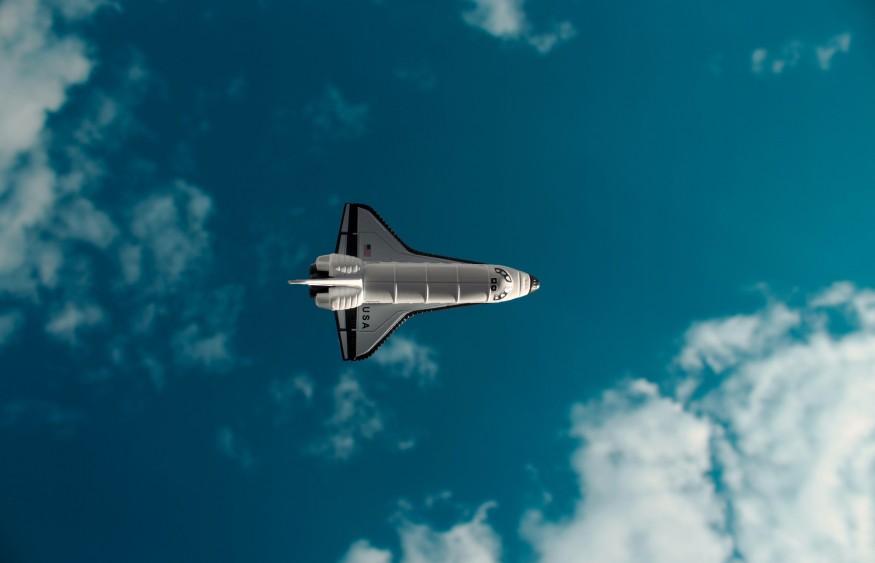
Space tourism is shifting from science fiction to scheduled flights, as commercial space travel companies push boundaries with orbital hotels and lunar flybys. By 2028, travelers may spend days aboard private space stations, while 2030 promises lunar excursions for civilians. Blue Origin's New Glenn and SpaceX Starship are enabling frequent suborbital and orbital flights, reducing per-seat costs to roughly $250,000. Meanwhile, Virgin Galactic's Delta-class vehicles are scaling monthly six-passenger flights, aiming for 400 trips annually by the decade's end.
Beyond initial suborbital experiences, the commercial space travel industry is investing in infrastructure and reusable technologies that dramatically lower costs and expand accessibility. From orbital panoramas to lunar tourism, these advancements promise a broader range of experiences for civilians, not just billionaires. The future of space tourism is evolving into a multi-tiered, structured industry, blending adventure, science, and emerging hospitality in orbit and beyond.
Suborbital Hops and Reusable Launches
Suborbital flights are the first step in making space tourism a reality, offering civilians the thrill of leaving Earth's atmosphere without committing to long-duration missions. These hops provide a unique opportunity to experience weightlessness and view our planet from above, giving travelers a glimpse of orbital life in just a few minutes.
Advances in reusable launch technology are making suborbital and orbital flights more cost-effective and frequent. By dramatically lowering launch expenses, commercial space travel is opening access to space beyond billionaires, creating an entry-level market for first-time tourists and building the foundation for a more expansive space tourism industry.
- Suborbital hops reach altitudes of 100 km, offering passengers 4–6 minutes of weightlessness while traveling at Mach 3 speeds.
- Reusable boosters in commercial space travel cut launch costs by up to 90% compared with the shuttle era, where a single flight cost $450 million.
- SpaceX Starship aims to provide $10 million orbital missions, accommodating up to 100 passengers, significantly expanding access to space.
- Suborbital tourism serves as a gateway for first-time travelers, creating an entry-level market for space experiences.
Orbital Hotels and Private Stations
The next stage of space tourism's future involves staying in orbit for extended periods, turning brief flights into immersive experiences. Private orbital stations and space hotels are designed to offer comfort, scientific engagement, and breathtaking views, bridging the gap between adventure and luxury.
Commercial space travel companies are planning hotels with rotating modules to simulate reduced gravity and enhance long-duration stays. Passengers can enjoy repeated sunrises every 90 minutes and observe Earth's curvature from speeds exceeding 1,000 mph, making orbital hospitality a unique combination of leisure and science.
- The future of space tourism includes Axiom Station by 2028, orbiting 400 km above Earth as the first private destination post-ISS.
- Commercial space travel hotels are designed with rotating modules simulating 0.38g lunar gravity for extended stays.
- Orbiting stations allow passengers to witness Earth's sunrises every 90 minutes while traveling at over 1,000 mph.
- Orbital hotels combine luxury hospitality with scientific observation, creating unique experiences beyond Earth's surface.
Lunar and Interplanetary Tourism
By 2030, the scope of commercial space travel is expected to extend beyond Earth's orbit, offering lunar tourism for adventurous civilians. These missions provide an unprecedented chance to witness another celestial body up close and participate in pioneering exploration experiences.
Beyond the Moon, interplanetary tourism will gradually become feasible, including Mars flybys and long-distance orbital missions. These trips not only combine thrill and education but also push the boundaries of what is possible for civilian space travelers, creating a new era of cosmic adventure.
- Lunar tourism is expected to debut in 2030 with Starship HLS transporting four tourists near the Moon's south pole water ice deposits.
- Commercial space travel extends to Mars flybys by 2033, carrying 50 passengers at 0.5g cruise acceleration.
- The DearMoon mission serves as a precedent, demonstrating civilian circumnavigation 250,000 miles from Earth.
- These interplanetary trips highlight how commercial space travel could eventually offer experiences beyond Earth orbit, combining adventure with education.
Regulations and Pricing Trajectory
As commercial space travel expands, regulatory frameworks are essential to ensure passenger safety and operational reliability. Agencies like the FAA and NASA are streamlining licensing processes, while medical and fitness requirements, such as 20/20 vision and G-tolerance, protect travelers during high-G launches and extended orbital stays. Clear safety standards help maintain consistent operational protocols across the industry.
Pricing for space tourism future reflects technological advancements and economies of scale. Suborbital flights are expected to cost around $450K, orbital trips $2M, and lunar excursions could reach $50M by 2035. These costs will gradually become more manageable as reusable technology and private space stations scale up operations.
Economies of scale from reusable fleets and private orbital stations are projected to lower costs over time, making space travel more accessible to a broader audience. By combining safety, affordability, and operational efficiency, commercial space travel can balance thrilling experiences with long-term sustainability for passengers and companies alike.
Conclusion
The space tourism future is transforming civilian access to space, with over 1,000 tourists expected to reach orbit annually by 2030. Suborbital flights provide a thrilling entry point, while orbital hotels and private stations offer multi-day stays with breathtaking views. Lunar excursions by 2030 and interplanetary flybys in the 2030s expand the possibilities for adventure, education, and unique experiences.
Reusable spacecraft, private stations, and scaled-up commercial operations are making space tourism more practical and accessible beyond the billionaire class. With safety regulations, medical screening, and evolving pricing, commercial space travel is set to become a structured industry. This progression promises a future where civilians regularly venture beyond Earth, combining exploration, leisure, and learning on a scale never seen before.
Frequently Asked Questions
1. Space tourism future timeline?
Suborbital flights are available now, orbital tourism is expected by 2026, and lunar trips are projected by 2030. Mars flybys may begin around 2033, with landings likely post-2040. These timelines depend on spacecraft readiness, regulatory approvals, and commercial scaling. As technology matures, civilian space access will continue to expand steadily.
2. Commercial space travel costs 2026?
Suborbital flights are priced at roughly $450K per seat, while orbital trips are expected around $250K. Lunar missions will likely cost $50M by 2035. Prices are expected to decrease as reusable technology and private stations scale operations, improving affordability.
3. Private space stations when?
Axiom Station and similar private orbital platforms are planned for 2028, taking over after the ISS. These stations will host multi-day civilian stays and research activities. Extended stays will allow passengers to experience artificial gravity, microgravity leisure, and panoramic Earth views.
4. Is Mars tourism realistic?
Mars flybys are projected to begin around 2033, carrying small groups of passengers. Landings will likely occur post-2040 once technology, safety protocols, and infrastructure are in place. These missions will combine adventure, education, and scientific observation. With reusable spacecraft and cost improvements, interplanetary travel may become more accessible over time.
© 2026 ScienceTimes.com All rights reserved. Do not reproduce without permission. The window to the world of Science Times.


