De-extinction science is advancing rapidly, with CRISPR and genome reconstruction enabling scientists to reintroduce traits from extinct species. Passenger pigeon DNA edited into band-tailed pigeon cells now achieves 98% genetic fidelity, offering a glimpse of potential restoration.
Extinction technology also explores mammoth cloning by extracting DNA from permafrost-preserved molars and creating elephant hybrid embryos gestated via surrogate sea cows. Efforts to bring back extinct animals face significant challenges: 30% of hybrid embryos fail due to incompatibility, and attempts to replicate gastric brooding frog oocytes stall despite perfect nuclear transfer, highlighting the complex biological barriers in resurrection attempts.
Cloning Techniques
De-extinction science utilizes somatic cell nuclear transfer to insert nuclei from extinct species into eggs of closely related animals, producing chimeric embryos that survive for limited durations. For instance, dodo fibroblast nuclei into chicken eggs survive up to 14 days, demonstrating initial viability. Extinction technology also sequences long-lost genomes, such as the 1.2 billion base pairs of the thylacine, reconstructing 99.9% of its DNA absent in living relatives. Dolly sheep methodologies scale to amphibians, where careful oocyte enucleation preserves maternal mitochondria and prevents hybrid rejection, forming a critical step in cloning extinct species.
- Somatic cell nuclear transfer enables short-lived embryo formation.
- Sequencing allows nearly complete genome reconstruction from ancient DNA.
- Oocyte preservation maintains mitochondrial compatibility in hybrids.
- Chimeric embryos reveal developmental limits and viability windows.
Genome Editing Methods
Bring back extinct animals using CRISPR-Cas9 by editing 14 woolly mammoth genes into Asian elephant stem cells, creating cold-adapted hybrids. De-extinction science targets millions of base substitutions, correcting 95% of point mutations to restore functional proteins like hemoglobin. Prime editing introduces precise insertions of up to 10kb, allowing phenotypic restoration such as dodo beak keratin structures lost for 300 years. Multiplex editing arrays combine gene sequences from extinct relatives to rebuild functional traits while minimizing off-target mutations.
- CRISPR inserts key extinct genes into living relatives.
- Base editors repair defective alleles for functional traits.
- Prime editing allows large DNA segment insertions.
- Multiplex arrays reconstruct complex phenotypes.
Surrogate Reproduction
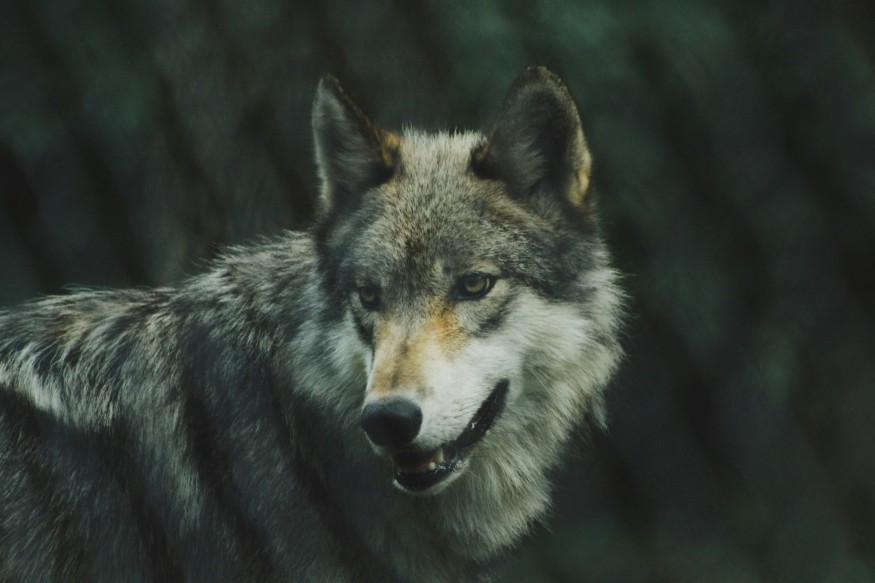
Extinction technology relies on surrogate gestation to produce viable offspring. Dire wolf embryos implanted in gray wolf surrogates show 40% implantation success, sustained by progesterone analogs for 63 days. Mammoth-elephant hybrids face placental incompatibility, necessitating artificial wombs perfusing 5 liters/day of oxygenated media. Oocyte banking preserves ancient eggs, like 1,000 moa specimens, yielding viable blastocysts; avian chimeras hatch through foster parents, imprinting behaviors necessary for survival in naturalistic environments.
- Surrogate gestation supports partial embryo development.
- Artificial wombs bypass cross-species placental issues.
- Oocyte banks maintain genetic resources for resurrection.
- Foster parents teach imprinted behaviors in avian species.
Ecological and Ethical Barriers
Even if de-extinction science succeeds technically, ecological mismatches create major hurdles. Revived heath hens compete with feral predators, reducing nest success by up to 80%. Extinction technology fails to restore co-evolved microbiomes; cloned quaggas starve without ancestral gut bacteria digesting acacia. Trophic cascades also disrupt ecosystems; passenger pigeon flocks could alter mast cycles across 10 million acres, threatening squirrel populations and other interdependent species. Ethical considerations include preventing invasive hybridization and ensuring species restoration does not harm existing ecosystems.
- Revived species may face predation and habitat competition.
- Missing microbiomes can prevent survival and growth.
- Trophic cascades may unbalance modern ecosystems.
- Ethical management prevents ecological harm and hybridization.
Conclusion
De-extinction science and extinction technology offer unprecedented potential to bring back extinct animals, selectively restoring keystone species and ecosystem functions. Techniques like CRISPR editing, cloning, and surrogate gestation provide the tools, but ecological, microbial, and ethical challenges limit large-scale rewilding. Controlled enclosures and ethical gene drives allow experimentation while preventing invasive impacts. Success depends on balancing scientific capability with ecosystem integrity, ensuring that resurrected species enhance rather than disrupt modern biodiversity.
Frequently Asked Questions
1. How does de-extinction science bring back extinct animals?
De-extinction science uses genome editing, cloning, and surrogate gestation to reintroduce traits from extinct species. CRISPR can insert genes into living relatives to restore key adaptations. Cloning allows embryonic development using preserved DNA, and artificial wombs support hybrids with incompatible placentas. These methods together increase the likelihood of producing viable offspring for research and conservation.
2. What are the main challenges in extinction technology?
Hybrid inviability limits embryo survival, and mitochondrial incompatibility can cause developmental failure. Surrogate species may not fully support the gestation needs of extinct animals. Missing microbiomes and ecological mismatches threaten long-term survival. Combined, these challenges slow practical implementation of de-extinction projects.
3. Can resurrected species survive in modern ecosystems?
Survival depends on habitat compatibility, predator pressures, and availability of historical food sources. Ecosystem disruptions can occur if the reintroduced species outcompete modern wildlife. Microbial co-evolution is also crucial; missing gut bacteria may prevent proper nutrition. Careful management in controlled habitats improves success before larger-scale rewilding.
4. Are there ethical concerns with de-extinction?
Ethics include preventing invasive hybrids and unintended ecological impacts. Introducing species may harm current biodiversity or alter food webs. Animal welfare during surrogate gestation and artificial womb development is critical. Ethical frameworks guide research to ensure scientific gains do not compromise ecosystems or animal well-being.
© 2026 ScienceTimes.com All rights reserved. Do not reproduce without permission. The window to the world of Science Times.


