In recent decades, the term invasive species has become increasingly common in ecological discussions. These species pose one of the most significant threats to global biodiversity, ecosystem stability, and even human economies.
Understanding the invasive species definition, impact, and how they spread across ecosystems is crucial to mitigating their effects and protecting native life forms.
What Is an Invasive Species?
An invasive species refers to any plant, animal, or microorganism that spreads beyond its native range and causes ecological or economic harm. While not all non-native species are invasive, those that rapidly establish and outcompete native organisms are classified as such.
The defining characteristic lies in their ability to disrupt existing natural balances, often due to the lack of predators, parasites, or environmental checks that regulate their populations in their native habitats.
The impact of invasive species is multifaceted. They often compete with local species for food, space, and resources, leading to reduced biodiversity and ecosystem resilience. Over time, these disruptions can result in native species extinction, altering food chains and degrading essential ecosystem services like pollination, water filtration, and soil stability.
How Do Invasive Species Spread?
The spread of invasive species is a global issue, tightly linked to human activity. Modern transportation, global trade, and even tourism play critical roles in carrying species across natural barriers that once limited their range.
Human-Mediated Pathways
Humans are the primary vector through which invasive species move between ecosystems. Ships, planes, vehicles, and cargo containers can unintentionally transport organisms to new regions.
For example, marine species often hitchhike in the ballast water of ships, while plant seeds may attach to footwear, clothing, or shipping materials. The pet trade also contributes significantly; exotic animals or plants released into the wild can become invasive if they adapt successfully.
Natural Dispersal
Although human influence is dominant, natural processes can also aid invasions. Wind, water currents, and migratory animals sometimes carry seeds, larvae, or spores long distances. In these cases, climate and habitat suitability determine whether the invasive species can establish and proliferate.
In summary, understanding how invasive species spread across ecosystems is essential for developing effective prevention strategies. The intersection of biology, transportation, and trade regulation reveals how easily ecological boundaries can be breached.
The Impact of Invasive Species on Ecosystems
The impact of invasive species on ecosystems is both direct and indirect. They compete with native organisms, alter natural processes, and can lead to the extinction of native species, threatening global biodiversity.
Competition and Predation
Invasive species often outcompete native species for resources such as food, light, or habitat. Because many invasive species have few natural predators or diseases in their new environments, their populations can grow unchecked.
This imbalance puts local flora and fauna at a severe disadvantage. Some invasive predators, such as the brown tree snake in Guam, have caused catastrophic losses to local bird populations.
Ecosystem Disruption
In addition to direct predation, invasives alter the functions of entire ecosystems. Aquatic species may clog waterways or outcompete native fish, while invasive plants can change soil chemistry and nutrient availability. For instance, certain grasses introduced for agriculture have increased fire frequency in arid regions, drastically transforming landscapes.
Economic and Human Impacts
Beyond natural ecosystems, invasive species affect human industries. Agriculture, fisheries, and tourism suffer from losses due to reduced productivity, damaged equipment, and increased maintenance costs. The global economic toll of invasive species runs into billions of dollars each year, highlighting the urgent need for concerted management.
Examples of Invasive Species
Studying notable cases helps to illustrate how invasives affect ecosystems globally. Two well-known examples, zebra mussels and cane toads, demonstrate different types of invasions and impacts.
Zebra Mussels
Zebra mussels originated from Eastern Europe but have spread throughout North American freshwater systems via ballast water discharge from ships. Small but prolific, they attach to hard surfaces such as pipes, boats, and docks, forming dense colonies that block water intake systems.
Ecologically, they filter vast amounts of water, stripping it of plankton that fish and other organisms depend on. This disrupts food webs and undermines the stability of aquatic ecosystems.
Cane Toads
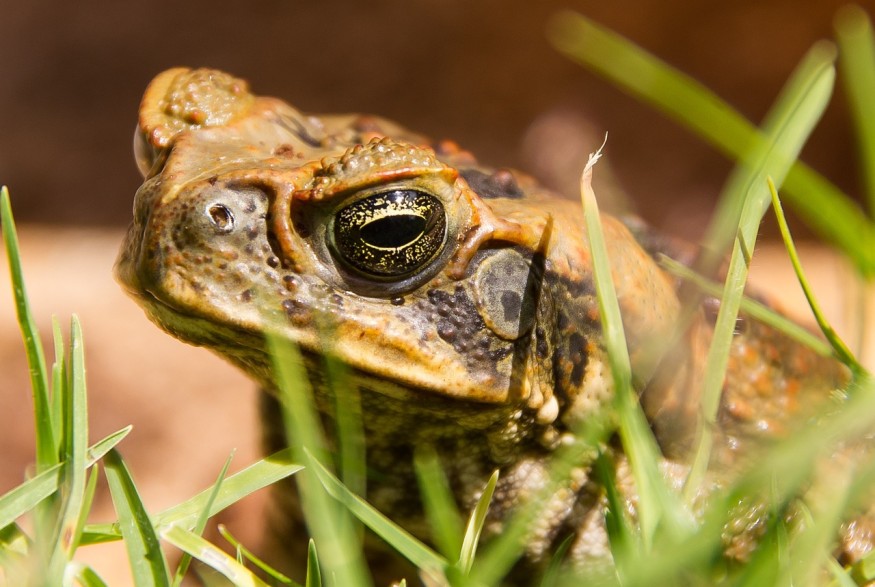
In contrast, cane toads were intentionally introduced to Australia in the 1930s to control crop pests. However, the toads quickly became an example of an unsuccessful biological control effort. They bred rapidly, spread across the continent, and became toxic predators that local species could not eat safely. Their venom has killed native reptiles and mammals, contributing to native species extinction and long-term imbalances in local biodiversity.
These zebra mussels and cane toad examples underscore how both accidental and deliberate introductions can have unintended ecological consequences.
Read more: Top 10 Invasive Species List: Shocking Biodiversity Threats Ravaging Ecosystems Worldwide
Invasive Plant Species and Their Effects
Invasive plants are equally destructive and often alter environments silently. Species such as kudzu, water hyacinth, and Japanese knotweed serve as reminders of how vegetation invasions reshape landscapes.
- Kudzu, originally imported to the U.S. for erosion control, now smothers native plants and trees, depriving them of sunlight.
- Water hyacinth, a floating plant native to South America, grows rapidly in tropical waters, blocking waterways and depleting oxygen levels.
- Japanese knotweed penetrates concrete and asphalt, threatening infrastructure while crowding out native vegetation.
These examples reveal that invasive plants can transform ecosystems just as severely as animal invasions, influencing hydrology, soil fertility, and native plant diversity.
Controlling and Managing Invasive Species
Effective invasive plant and animal control management requires an integrated approach combining prevention, rapid response, and long-term monitoring.
Prevention
The most cost-effective strategy is prevention. Strict import controls, sanitation protocols for ships and planes, and public education reduce the likelihood of new introductions. Regular inspections of imported goods and ballast water management regulations are examples of successful preventive measures.
Eradication and Containment
Once an invasive species is detected early, rapid eradication can prevent establishment. Techniques include mechanical removal, chemical treatments, and biological control. However, physical and chemical methods can have side effects, including harm to non-target species.
Biological control, using natural predators or pathogens, is often preferred but must be carefully tested to avoid unintended consequences, as seen with the cane toad case.
Restoration of Native Ecosystems
After invasive removal, restoring native plants and animals helps rebuild resilience. Reintroducing native vegetation and reestablishing natural processes support the return of pollinators, soil organisms, and other native species.
Public Participation
Community involvement is also vital. Citizen science programs encourage people to report sightings, which aids in tracking species spread. Local awareness campaigns can prevent the release of exotic pets or ornamental plants into the wild.
Future Challenges and Global Efforts
Climate change adds another layer of complexity to managing invasive species. As temperatures rise, new regions become suitable for non-native species that could not previously survive there. Shifts in rainfall and seasonal patterns may amplify invasion risks.
International cooperation is essential for combating global invasions. Organizations such as the International Union for Conservation of Nature (IUCN) and regional networks promote cross-border monitoring, early-warning systems, and data sharing.
Meanwhile, local governments, researchers, and citizens play crucial roles in strengthening preventive measures and developing sustainable ecosystems.
Invasive species represent one of the major modern threats to ecological balance and biodiversity. Their spread, often human-driven, can trigger native species extinctions, distort food chains, and impose heavy economic costs.
Through a combination of prevention, public awareness, and science-based management, societies can limit the impact of invasive species and protect ecosystems for future generations.
Ultimately, the fight against biological invasions demands shared responsibility. Every trade policy, transport regulation, and conservation effort contributes to the broader goal of preventing the next zebra mussel or cane toad-level crisis from unfolding.
Frequently Asked Questions
1. Are all non-native species considered invasive?
No. A non-native species becomes invasive only if it causes harm to the environment, economy, or human health. Many introduced species coexist peacefully without disrupting local ecosystems. For instance, crops like corn and wheat are non-native to most countries but are not invasive because they are controlled and cultivated in managed environments.
2. How can climate change increase the risk of invasive species?
Climate change alters temperature, rainfall, and seasonal patterns, making new regions hospitable for non-native species that previously could not survive there. Warmer winters, for example, allow invasive insects to expand their range and reproduce year-round. These shifts accelerate the spread and establishment of invasive species in fragile ecosystems.
3. Can invasive species ever benefit ecosystems?
While rare, some invasive species can fill ecological roles lost to extinction or environmental degradation. For example, certain non-native plants stabilize soil or provide food for wildlife in damaged areas. However, these benefits are usually short-term and do not outweigh the long-term risks of altered biodiversity and ecosystem instability.
4. What role can citizens play in preventing invasive species?
Individuals can help by cleaning hiking gear, boats, and vehicles to avoid transferring seeds or larvae between locations. Reporting unusual plant or animal sightings to local environmental authorities also aids early detection. Avoiding the release of aquarium pets, garden plants, or bait into the wild significantly reduces potential invasions.
© 2026 ScienceTimes.com All rights reserved. Do not reproduce without permission. The window to the world of Science Times.


