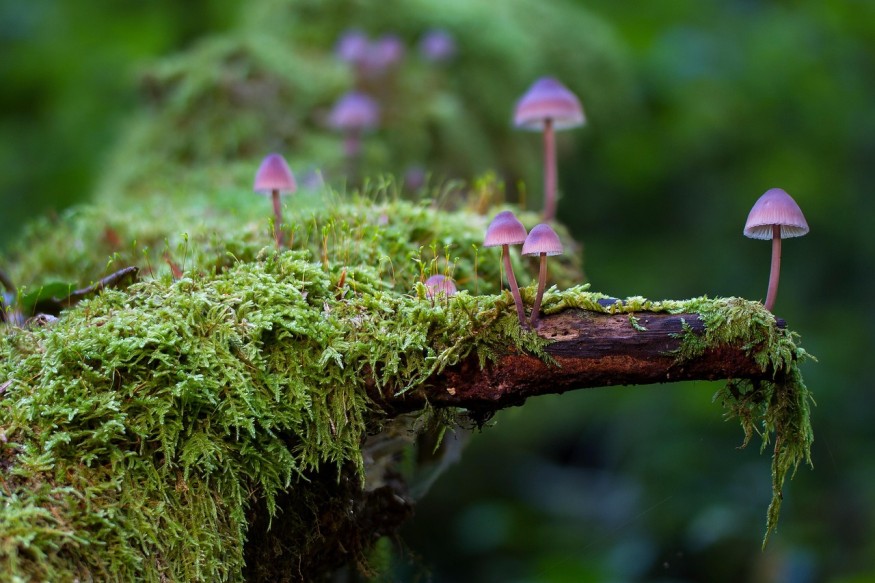
Earth thrives on a delicate balance of interconnected systems, most of which remain unseen. Beneath forests, under oceans, and even in city parks, hidden ecosystems sustain the planet's health. These complex networks of organisms and physical environments form the foundation of life, ensuring that air, water, and nutrients cycle continuously.
Understanding ecosystems allows humanity to appreciate how the planet functions as one vast, living system. From the smallest microbes in the soil to the vast currents of the ocean, every interaction plays a part in maintaining equilibrium. Exploring these lesser-known ecosystems reveals not only nature's complexity but also its incredible resilience.
Ecosystems Explained: How Nature Organizes Itself
An ecosystem is a natural community where living organisms interact with each other and with non-living elements such as water, air, and minerals. These can range from microhabitats, like the underside of a leaf, to massive biomes such as rainforests or coral reefs.
A balanced ecosystem depends on the constant interaction between producers (plants and algae that create energy through photosynthesis), consumers (animals and humans that feed on plants or other animals), and decomposers (fungi and bacteria that recycle nutrients back into the soil). Through this cycle, life sustains itself endlessly.
When scientists discuss ecosystems, they often emphasize their role in supporting human life. Ecosystems generate the oxygen we breathe, purify the water we drink, pollinate crops, and regulate the climate.
Every breath of fresh air and every meal on a plate traces back to these interconnected processes. Without healthy ecosystems, human civilization could not exist.
The Hidden Ecosystems You've Never Heard Of
Much of Earth's life-support system functions quietly, out of sight. These hidden ecosystems, though often ignored, contribute enormously to climate stability, biodiversity, and global sustainability.
Soil microbiomes are a remarkable example. Beneath every forest or field lies a complex network of fungi, bacteria, and microscopic organisms. They store carbon, enhance plant growth, and prevent erosion. Without them, agriculture would fail and carbon levels in the atmosphere would rise dramatically.
In the deep ocean trenches, where sunlight never reaches, life thrives in extreme conditions. Hydrothermal vents release mineral-rich fluids that sustain worms, crustaceans, and unique microorganisms, species that rely on chemical energy rather than sunlight.
These deep ecosystems regulate carbon cycles and influence the climate far beyond the ocean floor.
Ice sheet ecosystems also harbor life. Inside frozen glaciers, microbes have adapted to subzero temperatures, feeding off limited energy sources. Their presence offers scientists valuable insights into survival mechanisms and climate evolution over millennia.
Meanwhile, urban green spaces, from rooftop gardens to city ponds, form miniature ecosystems that encourage pollination, cool urban environments, and foster biodiversity. Though small, they play an essential role in connecting humans with nature and supporting wildlife in densely populated areas.
Each of these systems demonstrates an important truth: even the smallest ecological spaces have global significance.
Biodiversity Importance: Why Every Species Counts
Biodiversity represents the richness of life on Earth, the variety of species, genetic traits, and ecosystems that coexist. It ensures that ecological networks remain stable in the face of changing conditions.
When discussing biodiversity importance, scientists highlight its role in ecosystem resilience. A diverse community of species offers redundancy in ecological functions.
For instance, if one pollinator species disappears, another may fill its role, keeping the ecosystem stable. This variety also shields ecosystems from pests, diseases, and environmental fluctuations.
However, when biodiversity declines, the results ripple outward. Fewer pollinators mean less food production. Reduced forest cover leads to diminishing oxygen and water resources. The loss of even a single keystone species, such as bees or mangroves, can destabilize entire ecosystems.
Hidden ecosystems contribute immensely to biodiversity. Soil organisms, ocean-floor bacteria, and even ice-dwelling microbes expand the genetic library of life. These unseen species not only maintain ecosystems but also offer potential breakthroughs in medicine, agriculture, and environmental innovation.
Preserving biodiversity is not merely about saving animals or plants, it is about safeguarding the delicate systems that uphold life itself.
Environmental Science in Action: Studying the Unseen
Modern methods in environmental science have revolutionized the study of hidden ecosystems. Scientists now use technologies such as satellite imaging, remote sensors, and artificial intelligence to track ecological patterns across vast regions.
These tools uncover changes invisible to the human eye, from soil nutrient depletion to deep-sea temperature shifts. Environmental DNA (eDNA) analysis, a technique that identifies species through genetic traces left in water or soil, has opened new possibilities for understanding unseen biodiversity without disturbing it.
Environmental science also plays a critical role in conserving endangered ecosystems. Through long-term monitoring, scientists assess pollution levels, measure carbon storage, and identify restoration priorities. This research guides global initiatives that aim to repair damaged environments and protect vulnerable habitats.
As climate change accelerates, environmental science acts as both observer and guardian, helping policymakers and conservationists make informed decisions grounded in real data.
Threats to Hidden Ecosystems
Despite their resilience, many hidden ecosystems face unprecedented threats. Climate change alters temperature and moisture levels, disrupting delicate balances in soil and ocean systems. Pollution, especially microplastics and chemical runoff, contaminates water, soil, and air, harming both visible and invisible life forms.
Deforestation and land conversion remove essential habitats, breaking down interactions between species. Deep-sea mining, a rising concern, disturbs ancient ocean ecosystems that take millennia to recover. Even urbanization, though localized, fragments habitats and reduces green cover, weakening small but vital ecosystems.
While some ecosystems naturally heal through regeneration, many have tipping points. Once certain thresholds are crossed, the damage becomes irreversible. Scientists warn that without collective action, humanity risks losing systems critical to food, water, and climate regulation. Protecting these overlooked ecosystems is therefore a matter of global survival.
How Humans Can Help Protect These Systems
Human actions directly influence ecosystem stability. Though industrial and policy-level changes are vital, individual choices also carry weight. Reducing waste, limiting plastic use, and supporting sustainable farming practices all help maintain ecological balance.
Urban dwellers can foster biodiversity through community gardens, composting, and planting native species that attract pollinators. Supporting conservation programs and environmental education increases awareness and funding for research.
Equally important is the role of environmental awareness. Understanding ecosystems encourages a deeper respect for natural systems. Education empowers communities to take practical steps that, when scaled globally, lead to measurable environmental improvements.
Protecting hidden ecosystems is not an isolated effort, it's a continuous collaboration between scientific knowledge, civic responsibility, and everyday decision-making.
Restoring Earth's Hidden Lifelines
The planet's unseen ecosystems may not always draw attention, but they quietly sustain every breath, crop, and drop of water humanity depends on. These hidden lifelines, whether buried underground, thriving beneath ice, or flourishing in city corners, reflect Earth's adaptability and intelligence.
Recognizing their value transforms how society views the environment. Instead of distant systems separate from human life, ecosystems become part of a shared network that connects every living being.
Through the lens of environmental science, humans can uncover their mysteries; by understanding biodiversity importance, people can preserve their balance; and with ecosystems, future generations can safeguard a planet that continues to thrive in harmony.
Frequently Asked Questions
1. How do hidden ecosystems influence human health?
Hidden ecosystems, like soil and ocean microbiomes, purify air and water, enrich food sources, and produce compounds used in medicine. Their stability directly supports clean resources and human well-being.
2. Can urban environments create new ecosystems over time?
Yes. Cities can develop unique ecosystems as plants, insects, and birds adapt to man-made spaces such as parks, rooftops, and gardens, contributing to local biodiversity.
3. What technologies help detect changes in hidden ecosystems?
Tools like satellite imaging, environmental DNA (eDNA) testing, and AI modeling help scientists monitor ecological shifts and identify emerging environmental threats.
4. Why do some ecosystems remain undiscovered despite modern science?
Many exist in extreme or inaccessible places, like deep oceans, glaciers, or underground layers, making exploration difficult despite technological advances.
© 2026 ScienceTimes.com All rights reserved. Do not reproduce without permission. The window to the world of Science Times.


