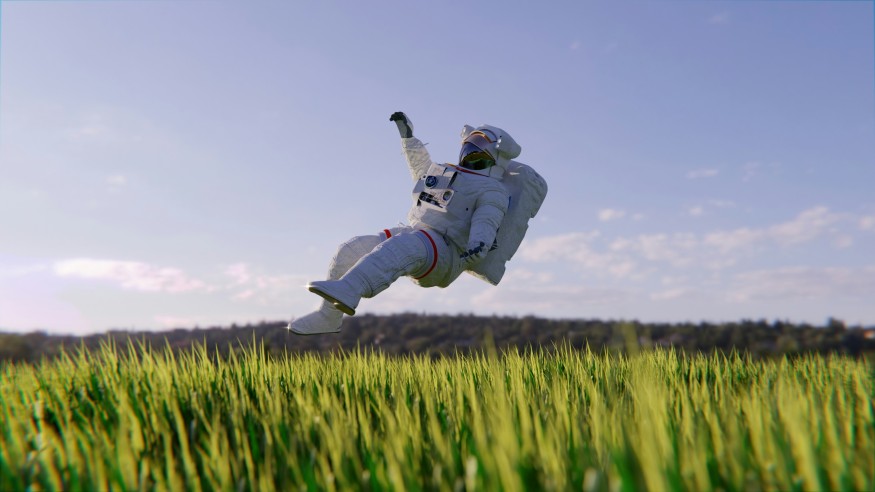
Human colonization space presents immense challenges, from extreme radiation exposure to near-zero gravity conditions. Mars offers a tantalizing prospect with its polar ice caps, regolith resources, and a 24.6-hour sol cycle, yet surface pressures are just 0.6% of Earth's sea level. Life support systems must recycle air and water with 95% efficiency, while solar farms and ISRU plants generate oxygen and propellant for long-term survival.
Living on Mars requires pressurized habitats, protective domes, and radiation shielding capable of reducing 700 mSv/year to safer levels. Psychological isolation over 2.5-year round trips demands strategies like VR Earth simulations and structured schedules. Closed-loop agricultural solutions and oxygen production via MOXIE technology aim to sustain crews in a barren, high-UV, and perchlorate-laden environment, balancing engineering ingenuity with human biology.
Human Colonization Space Radiation and Gravity Barriers
Radiation and low gravity are two of the most critical challenges for human survival on Mars. Cosmic rays and solar particles pose long-term health risks, while reduced gravity accelerates bone and muscle loss. Effective shielding, artificial gravity, and countermeasures are essential to maintain astronaut health and mission success.
- Radiation Exposure: Galactic cosmic rays deliver 1.8 mSv/day during deep-space transit. Polyethylene shielding reduces doses by half, but long-term exposure still exceeds bone marrow tolerance. Lava tubes and 2-meter-thick regolith bricks provide 700 mSv/year reduction down to ~50 mSv/year, making long-term settlement feasible.
- Gravity Challenges: Mars' 0.38g causes 1–2% bone density loss per month without countermeasures. Centrifugal habitats generating 0.9g using 200-meter-radius spin stations can mitigate up to 80% of losses. Vibration plates at 30 Hz help maintain 60% bone density over months.
- Agriculture and Perchlorate Detox: Martian regolith contains 0.5–1% perchlorates, toxic to humans. Scrubbing and washing regolith combined with mycorrhizal fungi detoxifies 90%, allowing potato yields of 5 kg/m². Aeroponics can provide 1 kg of food per person daily.
- Circadian Rhythm Disruption: The 24.6-hour sol cycles reduce performance by 10% in early adaptation. Lighting schedules and carefully timed activity plans help maintain crew alertness and cognitive function.
Living on Mars Atmospheric and Resource Challenges
Living on Mars requires overcoming extreme atmospheric and resource limitations for human colonization. The thin CO2 atmosphere and scarce water make oxygen production, water extraction, and sustainable food systems vital for survival. Technologies like MOXIE electrolysis, subsurface ice mining, aeroponics, and cyanobacteria-based closed-loop systems are crucial to maintain life support and long-term human habitation.
- Oxygen Production: CO2 electrolysis via MOXIE generates 10 g/hour of oxygen, scalable with 100 kW plants to produce 20 tons/year for habitat needs. Transparent aerogel domes block 99% of UV while transmitting 90% of photosynthetically active radiation (PAR), supporting cyanobacteria mats that fix 2 kg C/m²/year.
- Water Extraction: Subsurface ice, concentrated at latitudes around 30°N, can be extracted with microwave sublimators producing 1 kg/kWh. Phoenix and Perseverance missions estimate ~10^12 tons of accessible ice. ECLSS systems recycle water with 98% efficiency, ensuring minimal loss over long durations.
- Energy Supply: Dust storms can attenuate sunlight by 40% for up to three months, making nuclear Kilopower 10 kWe RTGs essential for continuous electrolysis and life support. Solar arrays remain the primary source when conditions permit.
- Food Production: Aeroponics, perchlorate-treated regolith, and cyanobacteria mats ensure sustainable food production. Integrated systems allow 1 kg/person/day while maintaining closed-loop oxygen-carbon cycling.
Space Survival Psychological and Medical Realities
Space survival depends on addressing both psychological and medical realities during long-term missions. Isolation, cognitive decline, and stress pose mental health challenges, while microgravity and radiation threaten bone, muscle, and reproductive health. Advanced exercise regimens, VR simulations, decompression protocols, and genetic diversity planning are key to sustaining human colonization on Mars.
- Psychological Stress: 2.5-year Mars missions induce 15% cognitive decline in isolation analogs. VR simulations of Earth restore 70% of mood metrics, while rotation schedules and 6-month Earth return windows help maintain social cohesion.
- Bone and Muscle Maintenance: Resistive exercise at 2.2g preserves 85% bone density. Bisphosphonates improve efficacy by 50% in microgravity. Without intervention, muscle atrophy reaches 20% in six months.
- Decompression and Low-Pressure Risks: Mars habitats at 6 mbar require prebreathing protocols to prevent ebullism. Rapid cycling airlocks allow crew transitions in 30 seconds to minimize decompression exposure.
- Reproductive and Genetic Challenges: Microgravity arrests 50% of mouse embryos; cosmic radiation reduces ovarian reserve by 30%. Colonies require a minimum of 10,000 individuals to maintain genetic diversity and prevent drift in isolated populations.
Terraforming Challenges and the Economics of Mars Colonization
Terraforming Mars remains a long-term vision with immense technical and ethical hurdles. Theoretical use of super-greenhouse F-gases could triple surface pressures over centuries, and orbital mirrors spanning 225 km² could melt icecaps, but these strategies operate on timescales far beyond immediate human needs. Ethical planetary protection protocols demand 99.9% contamination control, while closed-loop ecosystem experiments like Biosphere 2 have failed to sustain 30% of oxygen cycles, highlighting the difficulty of maintaining self-sufficient habitats on a harsh planet.
Economic and propulsion limitations further complicate Mars colonization. SpaceX Starship orbital refueling, requiring 16 tanker flights, could deliver 100-ton payloads for uncrewed missions starting in 2026, while nuclear thermal propulsion promises ten times the efficiency of chemical rockets, reducing transit times to roughly 100 days. Yet current launch costs of $100 per kilogram mean scaling infrastructure to a million tons over a decade remains a formidable financial challenge, emphasizing that both engineering and economics are critical barriers to human settlement.
Human Colonization Mars Feasibility: Can We Survive and Thrive?
Mars colonization is technically feasible but hinges on radiation shielding, closed-loop ecosystems, and robust psychological support. Aeroponics, MOXIE oxygen production, and ice extraction allow self-sufficient habitats, while artificial gravity and exercise counter microgravity-induced losses.
Long-duration isolation, reproductive risks, and genetic diversity requirements remain significant barriers. Terraforming remains a distant possibility, with ethical safeguards and centuries-long timelines. Feasibility studies continue, integrating engineering, biology, and psychology to evaluate whether humans can not just survive, but thrive on another planet.
Frequently Asked Questions
1. Can humans survive Mars radiation without protective habitats?
No, unshielded exposure is ~700 mSv/year, far exceeding NASA's 3% lifetime limit. Lava tubes and regolith bricks can reduce radiation to safe levels. Polyethylene and water shielding further cut cosmic rays. Habitats are mandatory for long-term survival.
2. How will astronauts maintain bone and muscle on Mars?
Microgravity causes 1–2% monthly bone density loss and 20% muscle atrophy over six months. Resistive exercise, vibration plates, and artificial gravity habitats help preserve health. Bisphosphonates can improve bone retention. Nutrition and routine monitoring also support musculoskeletal health.
3. Is growing food on Mars possible?
Yes, aeroponics provides 1 kg/person/day. Perchlorate detoxification with fungi allows regolith use for potatoes. Cyanobacteria mats produce 2 kg C/m²/year. Closed-loop systems recycle nutrients and water for sustainable growth.
4. What are the psychological challenges of Mars missions?
Isolation for 2.5-year trips can reduce cognitive performance by 15%. VR Earth simulations restore mood by 70%. Structured rotation schedules and communication protocols reduce stress. Social cohesion and mental health monitoring are essential.
© 2026 ScienceTimes.com All rights reserved. Do not reproduce without permission. The window to the world of Science Times.


