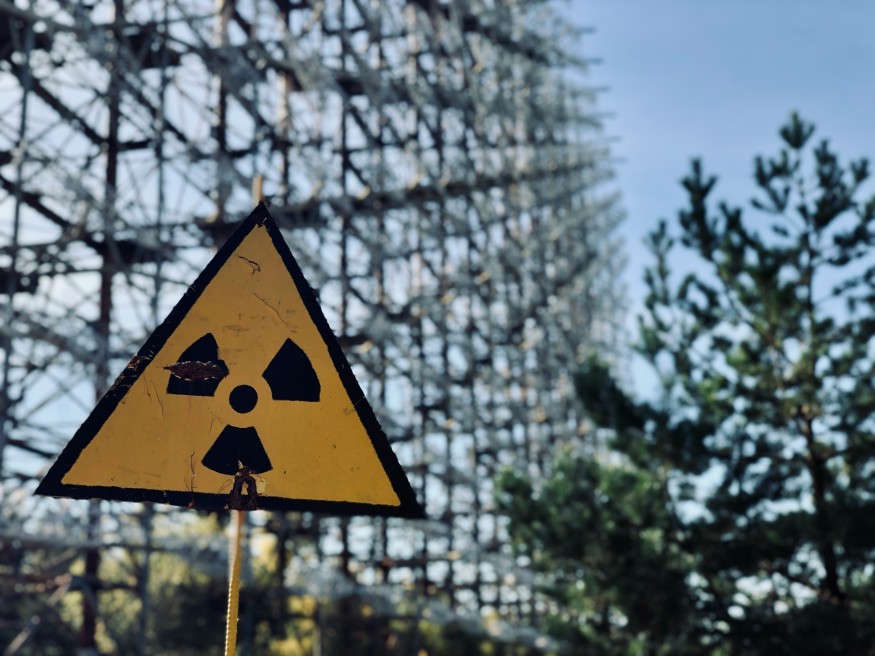
Radiation surrounds us daily, from natural background sources to medical imaging devices. It is classified as ionizing, which can remove electrons from atoms, or non-ionizing, which lacks this energy. Understanding how radiation interacts with matter helps us recognize when it is beneficial, like in X-rays and cancer therapy, or potentially harmful at high doses. Learning the science of radiation and health physics allows us to make informed decisions to protect ourselves while safely using its applications.
Health physics measures and manages exposure to minimize risk, using units like grays and sieverts for absorbed and effective doses. Background radiation comes from cosmic rays, radon, terrestrial sources, and internal isotopes, while regulatory limits protect people from harmful levels. Ionizing radiation can damage DNA and cells, whereas non-ionizing radiation primarily causes heating. Applying dose-response knowledge and safety principles helps prevent short- and long-term effects.
Radiation Science Basics
Radiation science studies how energy in the form of electromagnetic waves or particles interacts with matter. Ionizing radiation, like X-rays, gamma rays, alpha, and beta particles, can remove electrons and damage atomic structures, while non-ionizing radiation, such as microwaves or radio waves, cannot. High-energy radiation can produce reactive radicals in water and DNA, causing strand breaks, base loss, and clustered lesions in cells.
Different radiation types penetrate tissues to varying depths. X-rays are superficial, while high-energy photons or charged particles reach deeper, useful in imaging or cancer therapy. Concepts like linear energy transfer (LET) and relative biological effectiveness (RBE) explain energy deposition and biological effects. Particle therapy uses the Bragg peak to focus energy on tumors while sparing surrounding tissue. Instruments like ionization chambers, TLDs, and OSL devices monitor exposure, guided by dose-response models and regulatory limits.
Ionizing Radiation Health Effects
Ionizing radiation can affect the body immediately or over time, depending on dose and tissue sensitivity. Understanding these effects is essential for safety in medical, industrial, and environmental settings.
- Acute Radiation Syndrome (ARS) occurs after high doses and may cause nausea, vomiting, and damage to hematopoietic, gastrointestinal, or neurovascular systems.
- Chronic exposure increases cancer risk, with leukemia often appearing within 5–7 years and solid tumors developing decades later.
- Deterministic effects, such as skin erythema, cataracts, and sterility, have clear dose thresholds.
- Stochastic effects, like malignancy, occur randomly and do not have defined thresholds.
- Sensitive organs include the thyroid, gonads, and bone marrow, with children being particularly vulnerable.
- Protective measures—dose fractionation, shielding, personal dosimetry, and emergency protocols—minimize risks while allowing safe radiation use.
Health Physics Protection Principles
Health physics aims to reduce radiation exposure using time, distance, and shielding. Minimizing exposure time, maximizing distance from sources, and using materials like lead all reduce absorbed dose. Personal protective equipment, including lead aprons, thyroid shields, and eye protection, combined with occupational dose limits, ensures safety for workers.
Monitoring exposure is crucial with dosimeters and reporting to track cumulative doses, especially for pregnant workers. ALARA principles guide decisions in medical, industrial, and research settings. Shielding effectiveness depends on radiation type, energy, and material thickness, measured by half-value and tenth-value layers, forming the foundation for safe radiation practices.
Everyday Radiation Exposure and Safety
Radiation is present in everyday life, from natural sources to medical procedures. Understanding how exposure accumulates helps maintain safety while benefiting from necessary diagnostic or therapeutic uses.
- Cosmic rays and terrestrial sources contribute to background radiation, typically around 2–3 mSv per year.
- Medical imaging, such as CT scans (10–20 mSv) and X-rays (0.1–0.2 mSv), increases exposure but is justified by diagnostic value.
- Non-ionizing radiation from microwaves, radio waves, and visible light primarily produces heat and does not ionize tissues, posing minimal long-term risk.
- Awareness of exposure pathways and following safety guidelines ensure both occupational and recreational radiation use remain safe.
- Simple safety measures, such as shielding in X-ray rooms and maintaining distance from sources, help reduce unnecessary exposure.
Emerging Research and Radiation Technology
Radiation science continues to evolve with new therapies and safety technologies. Advances in particle therapy, including proton and carbon ion treatments, target tumors with precision, reducing collateral tissue damage. Radiation detectors, dosimeters, and imaging software improve real-time monitoring and dose optimization.
Research into low-dose effects, radiosensitizers, and protective agents expands understanding of stochastic risks and potential mitigation strategies. Novel materials for shielding and wearable devices enhance safety for industrial, medical, and space applications. Ongoing studies refine regulatory standards and clinical protocols, ensuring radiation's benefits outweigh risks while minimizing unintended harm.
Radiation Safety Awareness: Key Takeaways
Radiation exposure is a constant but manageable part of modern life. Understanding the types, effects, and safety measures empowers informed decision-making for occupational, medical, and everyday contexts. By applying health physics principles, adhering to dose limits, and monitoring cumulative exposure, both professionals and the public can safely benefit from radiation's many applications. Awareness and education remain the most effective tools to minimize risks while harnessing the power of radiation responsibly.
Frequently Asked Questions
1. Is all radiation dangerous?
Not all radiation is harmful. Non-ionizing radiation, like radio waves and visible light, does not ionize atoms and generally poses minimal risk. Ionizing radiation can cause DNA damage, but risk depends on dose and exposure duration. Everyday exposure from natural sources is typically well below harmful levels.
2. How can I minimize radiation exposure from medical imaging?
Only undergo imaging when medically necessary. Ask your doctor if lower-dose alternatives exist, such as ultrasound or MRI. Ensure technicians use proper shielding like lead aprons. Keep a personal record of cumulative imaging to monitor exposure.
3. What are the long-term effects of ionizing radiation?
Long-term effects include cancer, cataracts, and possible organ damage, depending on dose and tissue sensitivity. Effects are stochastic, meaning they may occur randomly even at low exposure levels. Risk is higher for children due to rapidly dividing cells. Following dose limits and safety protocols reduces long-term risks.
4. How do radiation protection measures work?
Protection relies on time, distance, and shielding. Reducing time near a source lowers dose, increasing distance decreases intensity, and shielding materials absorb or block radiation. Personal dosimeters and regulatory standards ensure exposures remain within safe levels.
© 2026 ScienceTimes.com All rights reserved. Do not reproduce without permission. The window to the world of Science Times.


