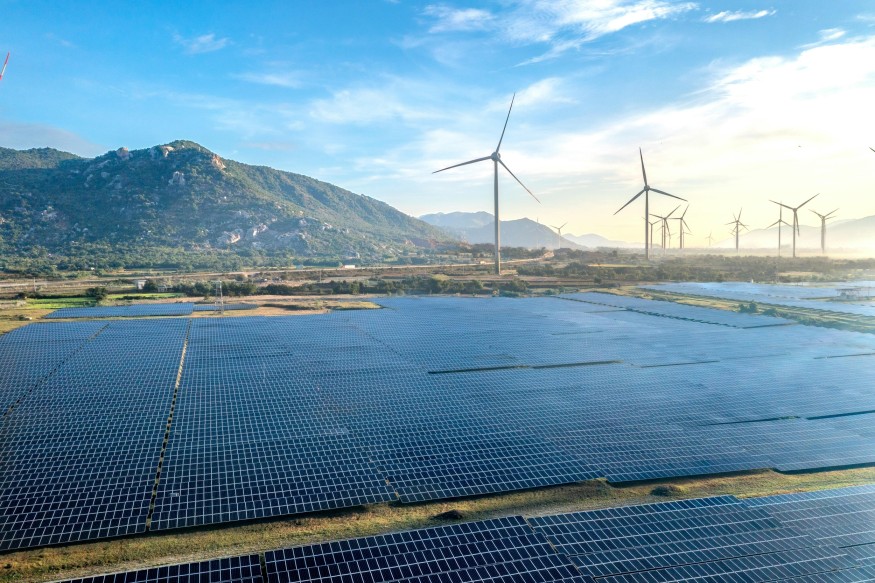
Renewable energy types are transforming how the world generates electricity by using natural forces like sunlight, wind, and heat instead of fossil fuels. These systems rely on physics-based processes such as solar energy explained through photovoltaic conversion and wind energy extraction to produce clean, sustainable power at scale.
As global demand rises, renewable energy sources are becoming more efficient through advances in turbine design, panel technology, and grid integration. Improvements in photovoltaic bandgap efficiency and capacity factor optimization are helping these systems deliver more stable and reliable energy, even under changing environmental conditions.
Renewable Energy Types Photovoltaic Conversion Physics
Renewable energy types begin with solar power, where solar energy explained through photovoltaic systems converts sunlight directly into electricity using semiconductor materials. Silicon-based cells use a 1.12eV bandgap to capture a wide range of light wavelengths, allowing efficient energy conversion at the molecular level.
These renewable energy sources continue to improve through innovations like bifacial panels, which absorb reflected light from the ground to increase total output. This enhancement improves overall system performance by boosting energy yield without requiring additional land or infrastructure.
Another key improvement is capacity factor optimization, where maximum power point tracking ensures panels operate at their most efficient voltage. This reduces energy loss and improves long-term system reliability, making solar installations more productive in real-world conditions.
Solar Energy Explained Wind Turbine Aerodynamics
Solar energy explained is only one part of the broader renewable landscape, as wind energy plays an equally important role in renewable energy types. Wind turbines convert kinetic energy from moving air into electricity, with modern designs approaching the theoretical Betz limit of efficiency.
These renewable energy sources rely on advanced aerodynamic engineering, including large rotor diameters and optimized blade shapes, to capture more wind energy. Taller turbine hubs also improve performance by accessing stronger and more consistent wind speeds at higher altitudes.
A key factor in improving performance is capacity factor optimization, especially in offshore wind farms where steady wind conditions increase energy output. Floating turbine systems further enhance efficiency by stabilizing movement and maintaining consistent energy generation in deep-water environments.
Read more: Nuclear Disaster Response Guide to Containment at Chernobyl and Fukushima with Radiation Monitoring
Renewable Energy Sources Grid Integration Dynamics
Modern renewable energy sources must work seamlessly with power grids to ensure stable electricity delivery. This requires careful balancing of solar and wind inputs, especially during peak production periods when energy supply can exceed demand.
Solar energy explained within grid systems involves using storage solutions like lithium-ion batteries to shift excess daytime energy into evening usage. This helps smooth out fluctuations and improves overall grid stability.
Improvements in capacity factor optimization also support better integration by reducing energy waste through smarter distribution systems. HVDC transmission lines further enhance efficiency by transporting electricity over long distances with minimal loss, connecting renewable-rich regions to high-demand cities.
Renewable Energy Systems Grid Storage and Efficiency Improvements
Modern renewable energy types are not only about generating power but also about storing and distributing it efficiently across the grid. As renewable energy sources expand, storage systems and smarter infrastructure play a major role in keeping energy supply stable and reliable. These improvements help balance fluctuations from solar and wind production while supporting long-term energy planning.
- Energy storage integration – Battery systems store excess electricity from solar and wind for use during peak demand periods, improving grid stability.
- Capacity factor optimization – Smarter dispatch systems reduce energy waste and ensure renewable sources operate closer to maximum efficiency.
- Grid balancing systems – Advanced software predicts energy supply and demand to maintain consistent electricity flow across regions.
- Reduced curtailment losses – Improved grid coordination minimizes wasted energy during peak production from renewable sources.
- Long-distance transmission efficiency – HVDC systems transport electricity over hundreds of kilometers with minimal energy loss.
Powering the Future With Renewable Energy Systems
Renewable energy types are reshaping global energy systems by combining solar, wind, and advanced grid technologies into a unified clean energy network. As efficiency improves, solar energy explained through photovoltaic systems continues to play a central role in reducing dependence on fossil fuels.
With ongoing advances in renewable energy sources, including better storage, smarter grids, and improved capacity factor optimization, the transition to sustainable power becomes more practical and scalable. These systems are not just alternatives—they are becoming the foundation of future energy infrastructure.
Frequently Asked Questions
1. What are the main renewable energy types?
The main renewable energy types include solar, wind, hydro, geothermal, and biomass. Each source uses natural processes to generate electricity. Solar and wind are currently the most widely used. They are popular because they are scalable and increasingly cost-effective.
2. How is solar energy explained in simple terms?
Solar energy is explained as the process of converting sunlight into electricity using solar panels. These panels contain materials that absorb light and generate electrical current. This process is called photovoltaic conversion. It provides clean and renewable power.
3. What is capacity factor optimization in renewable energy?
Capacity factor optimization refers to improving how consistently renewable systems produce energy. It helps reduce downtime and energy waste. Better optimization means higher efficiency and more reliable output. It is important for both solar and wind systems.
4. Why is wind energy considered efficient?
Wind energy is efficient because modern turbines capture a large portion of wind's kinetic energy. Advanced blade designs improve performance closer to the Betz limit. Offshore wind farms achieve even higher efficiency due to stronger winds. This makes wind a key renewable energy source.
© 2026 ScienceTimes.com All rights reserved. Do not reproduce without permission. The window to the world of Science Times.


