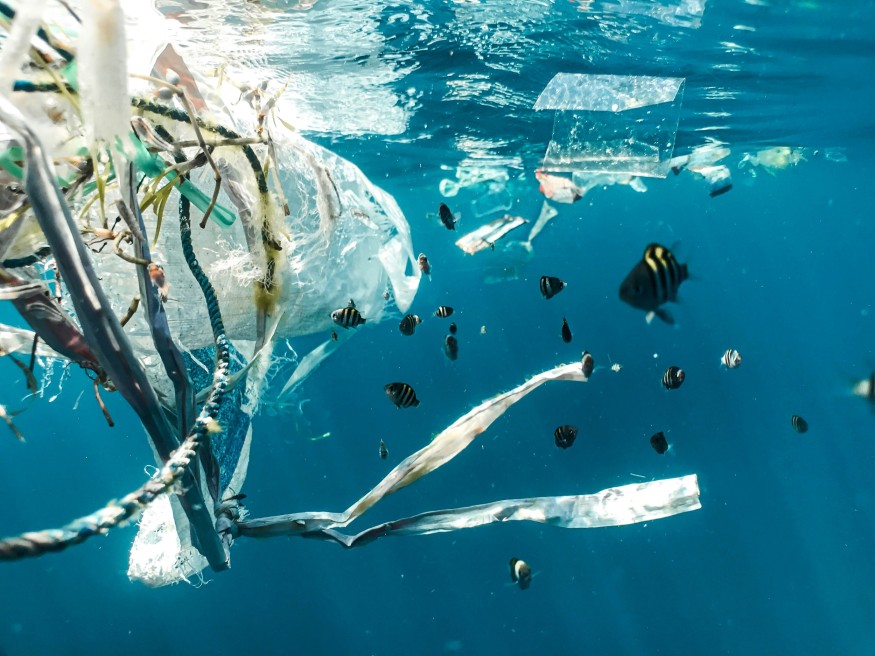
Plastic ocean pollution has become one of the most pressing environmental challenges, affecting marine life and ecosystems worldwide. Every year, millions of tons of plastic enter the oceans, forming vast areas of floating debris known as gyres. These pollutants break down into microplastics that spread across the water, entering the food chain and harming marine organisms.
Understanding how this pollution spreads is essential to addressing the problem effectively. From massive garbage patches to microscopic particles, plastic continues to accumulate in oceans due to human activity. According to environmental data, most marine debris originates from land-based sources, making prevention and innovation critical. With growing awareness and global cooperation, solutions such as cleanup efforts and biodegradable alternatives are gaining attention.
Plastic Ocean Pollution and Microplastics Impact
Plastic ocean pollution enters marine environments through rivers, coastal runoff, and improper waste management, contributing millions of tons of debris each year. This buildup includes everything from large plastic items to tiny fragments that persist in the water for long periods. Over time, these materials accumulate and spread across vast ocean areas, creating long-term environmental challenges.
As plastics break down, they form microplastics—particles smaller than 5mm—that are now widely found in oceans worldwide. Marine life often mistakes these particles for food, leading to ingestion by fish, seabirds, and turtles, which can cause internal injuries, starvation, and toxic exposure. Large-scale pollution is visible in areas like the Great Pacific Garbage Patch, where massive amounts of plastic waste gather and continue to impact marine ecosystems.
How Gyres Trap Marine Debris and Microplastics
Ocean gyres are large circular current systems that naturally trap and concentrate floating plastic waste in specific regions. These systems, such as those found in the North Pacific, act like slow-moving vortices that gather debris over time, leading to high concentrations of marine pollution in certain zones.
Floating debris is drawn into gyres through wind patterns and ocean currents, where it becomes trapped and continues to accumulate. Smaller particles like microplastics remain suspended within these systems for years, while some fragments eventually sink into deeper ocean layers, spreading pollution beyond the surface and affecting marine life at multiple depths.
Great Pacific Garbage Patch Size Composition Cleanup
The Great Pacific Garbage Patch is one of the most well-known examples of plastic ocean pollution, showing how marine debris can accumulate over vast areas. Formed by ocean gyres, it highlights the scale at which plastic waste can gather and persist in the ocean. Understanding its size, composition, and cleanup efforts helps illustrate the severity of the global plastic problem.
- Garbage patch scale: The Great Pacific Garbage Patch spans over 1.6 million square kilometers, making it one of the largest concentrations of plastic waste in the ocean.
- Composition of debris: A large portion of the patch consists of fishing gear like nets and ropes, which significantly contribute to marine debris accumulation.
- Cleanup efforts: Initiatives such as The Ocean Cleanup use advanced technologies to collect and remove floating plastics from ocean gyres.
- Challenges in cleanup: Microplastics are extremely difficult to capture due to their small size, requiring ongoing innovation and improved cleanup strategies.
Read more: What Happens When Microplastics Fall in Rain? Scientists Reveal Global Atmospheric Pollution
How Biodegradable Alternatives Reduce Plastic Pollution
Biodegradable alternatives are becoming a key solution in reducing plastic ocean pollution and minimizing long-term environmental damage. These materials are designed to break down more easily than traditional plastics, helping limit the buildup of marine debris. As technology advances, sustainable options are being developed to replace conventional plastics in various industries.
- Biodegradable materials: Materials like PLA and PHA naturally break down under specific conditions, reducing the persistence of plastic waste in oceans.
- Sustainable fishing gear: Biodegradable nets and ropes help prevent ghost fishing and reduce the impact of lost fishing equipment on marine life.
- Eco-friendly innovations: New materials such as mycelium-based products offer strong, sustainable alternatives to traditional plastics.
- Reduction potential: Wider use of biodegradable alternatives can significantly lower the amount of plastic entering marine environments over time.
Policy Extended Producer Responsibility Recycling
Policies such as extended producer responsibility require manufacturers to take accountability for the entire lifecycle of their products, encouraging them to reduce plastic waste at the source. By shifting responsibility to producers, these policies promote more sustainable design, better packaging choices, and improved waste management practices. This approach helps reduce the amount of plastic entering the environment over time.
Recycling systems are also improving through initiatives like deposit return schemes, which increase recycling rates and keep plastics out of oceans. Governments around the world are introducing bans and restrictions on single-use plastics to limit marine pollution and encourage sustainable alternatives. At the same time, source reduction strategies focus on minimizing plastic production and enhancing waste systems, helping prevent debris from reaching marine ecosystems in the first place.
Ocean Plastic Cleanup Biodegradable Solutions Guide
Plastic ocean pollution continues to threaten marine ecosystems, but coordinated action offers a path forward. Addressing the problem requires a combination of prevention, cleanup, and innovation to reduce the flow of plastic into oceans. Gyres will continue to trap debris, but smarter systems and policies can limit their impact over time.
Biodegradable alternatives and advanced cleanup technologies are helping reduce the long-term effects of marine debris. With strong global cooperation and responsible production, the shift toward sustainable materials can protect ocean life. Continued awareness and action will play a key role in reducing plastic waste and preserving marine environments for future generations.
Frequently Asked Questions
1. What is plastic ocean pollution?
Plastic ocean pollution refers to the accumulation of plastic waste in oceans, including large debris and microplastics. It affects marine life, ecosystems, and even human health through the food chain. Most of this pollution comes from land-based sources like rivers and improper waste disposal. Over time, plastics break down into smaller particles that are harder to remove.
2. What are gyres in the ocean?
Gyres are large systems of circular ocean currents that trap floating debris, including plastics. These currents concentrate waste into specific areas, such as the Great Pacific Garbage Patch. Gyres play a major role in spreading and accumulating plastic pollution. They can hold debris for years or even decades.
3. Why are microplastics dangerous?
Microplastics are tiny plastic particles that can be ingested by marine organisms. They can enter the food chain and eventually reach humans through seafood consumption. These particles may also carry harmful chemicals that affect health. Because of their size, they are extremely difficult to clean up from the ocean.
4. How can we reduce plastic ocean pollution?
Reducing plastic ocean pollution requires both individual and global efforts. Using biodegradable alternatives and reducing single-use plastics can make a big difference. Governments and organizations are also improving recycling systems and enforcing stricter regulations. Supporting cleanup initiatives and responsible consumption helps protect marine environments.
© 2026 ScienceTimes.com All rights reserved. Do not reproduce without permission. The window to the world of Science Times.


